
Blooming
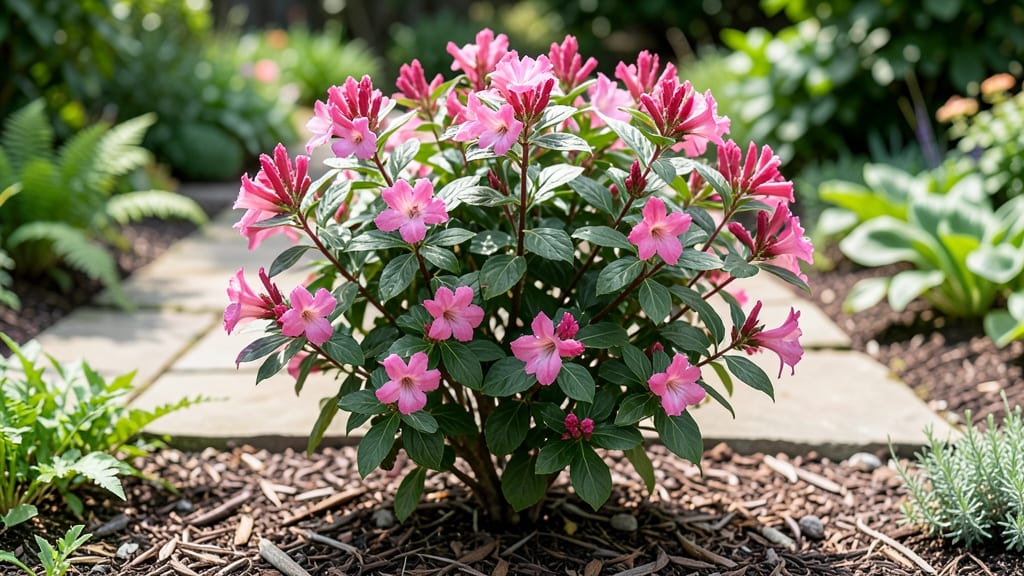
Planting Sonic Bloom Pink Weigela means frost-proof pink blooms that refuse to quit—even after winter’s worst. ✨ I’ve grown this shrub for three years, and its ability to bounce back from frost damage is nothing short of magical.
The secret lies in its cold-hardy roots and late-spring rebloom cycle, which turns a late frost into a chance for a second flush of flowers. This shrub thrives in full sun to partial shade, tolerates most soil types, and handles drought once established.
Space plants 3-5 feet apart to give them room to spread, and you’ll get vibrant pink spikes from early summer through fall. The key to keeping it productive is light pruning after blooms—just trim back dead stems to encourage fresh growth.
By late summer, you’ll see the first signs of next year’s buds forming, proving this shrub’s resilience. Even in Zone 4 winters, it recovers beautifully, making it a low-maintenance star for any landscape. The only real challenge?
Resisting the urge to prune too early—hold off until after the first blooms fade. Perfect for foundation plantings, cottage gardens, or as a pollinator magnet—just be ready for bees and hummingbirds to claim it as their favorite spot. Let’s get yours growing!
📚 In This Guide
- What you need
- Instructions
- Tips and common mistakes
- Wrapping up and next steps
What you need
- ● Sonic Bloom Pink Weigela: 1–3 plants (depending on desired coverage; spacing 3–5 ft apart)
- ● Option 1: Potted plant (4–6" container)
- ● Option 2: Bare-root plant (dormant season)
- ● Soil: Well-draining, slightly acidic to neutral pH (6.0–7.0)
- ● Organic matter: 2–3 cups compost or aged manure per planting hole
- ● Mulch: 2–3 inches of shredded bark or pine straw
- ● Watering can or hose: With a gentle spray nozzle
- ● Pruning shears: Sharp, sterilized (for shaping after planting)
- ● Garden trowel or spade (for digging holes 12–18" wide/deep)
- ● Gloves (to protect hands from thorns and soil)
- ○ Slow-release fertilizer (10-10-10, optional for first season)
- ○ Plant support (optional): Small stakes if needed for young stems
- ● Espoma Holly-tone or similar (boosts acidity if soil tests low)
How to plant and care for Sonic Bloom Pink Weigela shrubs
This cold-hardy beauty thrives with minimal fuss—here’s how to set it up for years of vibrant blooms.
🪴 Step 1: Choose the Perfect Planting Location
Sonic Bloom Pink Weigela loves full sun—at least 6 hours daily—but tolerates morning sun with afternoon shade in hotter climates. Avoid low spots where cold air settles, as this shrub rebounds beautifully after frost but needs good airflow to dry quickly after rain. I dig a hole twice as wide as the root ball but only as deep—this prevents burying the stem, which can rot over time.
Amend the native soil with 2-3 inches of compost mixed into the bottom of the hole. Weigela roots spread wide but not deep, so loose, well-draining soil prevents root-bound stress. Tap the shrub gently from its container to check root health—if roots circle tightly, loosen them with your fingers before planting. This encourages outward growth instead of a girdled root system.
🌱 Step 2: Plant and Water for Initial Establishment
Place the Weigela in the hole so the top of the root ball sits 1 inch above ground level. This slight elevation prevents water pooling around the stem during heavy rains. Backfill with native soil mixed with compost, firming gently in 2-inch layers to eliminate air pockets. Water deeply right after planting—1-2 gallons—to settle the soil and encourage root contact.
Mulch with 2-3 inches of shredded bark or pine needles (avoid fresh wood chips, which can mat and suffocate roots). Keep mulch 3 inches away from the stem to prevent rot. The first year is critical: water once a week if rainfall is less than 1 inch, but check soil moisture—Weigela hates soggy feet. You’ll know it’s thriving when new growth emerges within 4-6 weeks of planting.
☀️ Step 3: Prune for Shape and Blooms
Weigela blooms on old and new wood, so prune right after flowering (late spring) to shape the shrub without sacrificing next year’s blooms. Remove dead or crossing branches first, then trim back 1/3 of the oldest stems to encourage fresh growth. Avoid heavy pruning in fall—this stimulates tender new growth that won’t survive winter.
For a bushier look, pinch back new growth tips in early summer. This redirects energy to lateral branches instead of tall, leggy stems. I use clean, sharp pruners (disinfected with rubbing alcohol) to make 45-degree cuts just above a leaf node. Never leave stubs—this invites disease. After pruning, apply a balanced fertilizer (10-10-10) to support regrowth.
⏰ Step 4: Winterize for Cold-Hardy Resilience
Sonic Bloom Pink Weigela handles USDA Zones 4-8, but young shrubs benefit from light winter protection. In Zone 4 or 5, mound 4-6 inches of mulch around the base after the first hard frost. This insulates roots without trapping moisture. Avoid heavy pruning in late winter—wait until late March or after last frost to trim, as new growth is frost-sensitive.
Watch for bud swell in early spring—this signals it’s time to remove winter mulch. Weigela’s cold hardiness is legendary, but sudden temperature swings can stress new growth. If your area gets late frosts, cover young shoots with frost cloth for a few nights until danger passes. You’ll see pink flower buds emerge in late spring, followed by 4-inch spikes that attract hummingbirds.
🌿 Step 5: Maintain for Long-Term Health
Feed annually in early spring with slow-release fertilizer (like 10-10-10) to support blooming. Weigela is drought-tolerant once established, but deep watering every 2 weeks during dry spells keeps flowers vibrant. If leaves yellow, it’s often iron deficiency—apply chelated iron or amend soil with sulfur if your soil is alkaline.
Divide mature shrubs every 3-5 years if overcrowding occurs. Dig up the plant, separate sections with sharp spades, and replant immediately. This rejuvenates growth and prevents woody stems. With proper care, your Sonic Bloom Pink Weigela will rebound after frost, bloom reliably, and outperform other weigelas in your neighborhood.
Tips & tricks for perfect Sonic Bloom Pink Weigela planting
Between us, these little details make all the difference when your Weigela shrub is thriving for years.
Root Health Check: Before planting, gently tap the root ball from its container to check for tightly circling roots—a classic sign of root-bound stress. If you find roots growing in tight circles, use your fingers to loosen them along the outer edge. This encourages outward growth and prevents girdling, which can strangle the plant over time. I've seen Weigelas planted with unloosened roots struggle to establish properly, so this step is non-negotiable for long-term health.
Soil Preparation Matters: The 2-3 inches of compost you mix into the planting hole isn't just filler—it's the foundation for your Weigela's wide-spreading roots. Test your native soil first: if it's heavy clay, add an extra inch of compost to improve drainage. Weigelas hate soggy feet, and proper soil prep prevents root rot. You'll notice the difference when new growth appears within those critical 4-6 weeks after planting.
Watering Wisdom: That initial 1-2 gallons of water after planting isn't just about settling the soil—it's about encouraging root contact with the amended soil. For the first year, stick to the once-weekly watering guideline only if rainfall is below 1 inch. Use your finger to check soil moisture 2 inches down; if it's dry, water. Overwatering is the fastest way to kill a Weigela, so let the soil dry slightly between waterings after the first few weeks.
Pruning Precision: When you trim back 1/3 of the oldest stems in late spring, make those cuts just above a leaf node at a 45-degree angle. This isn't just about aesthetics—it's about directing the plant's energy to new growth. I've seen gardeners leave stubs, which creates entry points for disease. Also, avoid heavy pruning in fall; the plant needs its energy reserves to survive winter. The 10-10-10 fertilizer application afterward gives it the boost it needs for next year's blooms.
Pro Tips for Sonic Bloom Pink Weigela Shrub
- Between us, these little details make all the difference when your Weigela shrub is thriving for years.
- Root Health Check: Before planting, gently tap the root ball from its container to check for tightly circling roots—a classic sign of root-bound stress.
- Soil Preparation Matters: The 2-3 inches of compost you mix into the planting hole isn't just filler—it's the foundation for your Weigela's wide-spreading roots.
Frequently asked questions
Got questions about the Sonic Bloom Pink Weigela? You’re not alone! Here are answers to the most common ones—so you can grow this cold-hardy stunner with confidence.
How cold can Sonic Bloom Pink Weigela tolerate?
The Sonic Bloom Pink Weigela is famously frost-resistant, surviving temperatures as low as -20°F (-29°C). In fact, it often blooms after winter, putting on a show when other shrubs are still dormant. Just protect young plants with a light mulch their first winter for extra insurance!
When should I prune my Sonic Bloom Pink Weigela?
Prune right after flowering (late spring to early summer) to encourage next year’s blooms. Avoid heavy pruning in fall—it can stimulate tender new growth that won’t survive winter. Pro tip: Deadhead spent blooms to keep the plant tidy and promote more flowers!
Can I grow Sonic Bloom Pink Weigela in containers?
This shrub thrives in 5-gallon+ containers with well-draining soil. Choose a pot with drainage holes and repot every 2–3 years. Just remember: container-grown Weigelas may need extra winter protection (like burlap wraps) in harsh climates.
What pests should I watch for with Sonic Bloom Pink Weigela?
Weigelas are generally pest-resistant, but keep an eye out for aphids or Japanese beetles. Spray off pests with water or use neem oil if needed. Powdery mildew can occur in humid conditions—improve airflow and avoid overhead watering to prevent it.
Why isn’t my Sonic Bloom Pink Weigela blooming?
Lack of blooms often means over-pruning (cutting back too late in the season) or poor sunlight. Ensure it gets 6+ hours of sun and fertilize lightly in early spring. If the plant is young, be patient—it may take 2–3 years to reach full bloom potential!
Wrapping up and next steps
The Sonic Bloom Pink Weigela isn’t just a shrub—it’s a showstopper that thrives on resilience, beauty, and low-maintenance charm. With its vibrant pink blooms and ability to bounce back after frost, it’s the perfect addition for gardeners who love color, durability, and effortless elegance.
Whether you’re a seasoned pro or a beginner, this shrub makes gardening feel like a joyful adventure.
Ready to transform your garden? Pick up your Sonic Bloom Pink Weigela today and watch your outdoor space sing with color—year after year! 🌸✨