
Blooming
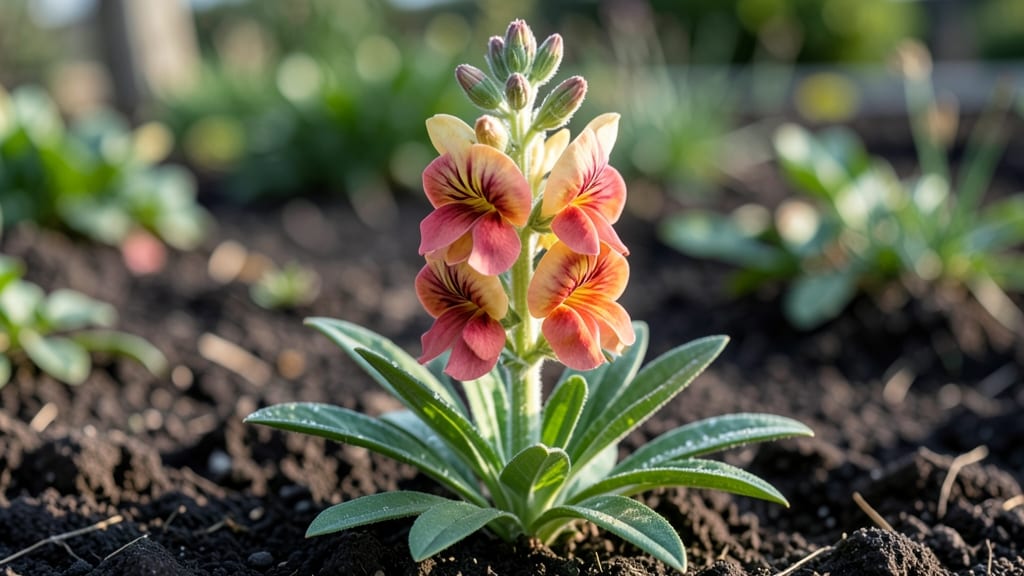
The snapdragon flower bloom time runs from late spring through summer, with vibrant purple spikes 🌸 lighting up your garden from June to September in most regions.
If you’ve ever admired snapdragons’ striking purple spikes but wondered when to expect their vibrant blooms, timing is everything—especially when planning your garden’s seasonal color palette.
Most varieties start flowering about 90 days after planting, but cooler climates like USDA Zone 6a may see blooms push back to July, while heat-loving types like 'Matrix' can stretch into early fall.
Here’s how to encourage longer blooms—from pruning tips to sunlight secrets—so your snapdragons stay showy all season.
Snapdragon bloom time by variety: when to expect fragrant purple spikes
Timing your snapdragon blooms means selecting the right variety for your climate zone. These fragrant spikes thrive in USDA zones 5-10, but their bloom windows vary dramatically.
Early-season varieties like 'Matrix' series kick off the show as soon as May, while late bloomers like 'Black Knight' extend color into October. Understanding these differences lets you create a continuous floral display from spring through fall.
Your local last frost date is the first benchmark. In Zone 5, plant early varieties 4-6 weeks before your average last frost—typically by April 15. Warmer zones like Zone 10 can start seeds as early as February for uninterrupted blooms.
The key is matching variety maturity with your growing season length to avoid wasted growth before flowering.
Here’s how popular snapdragon varieties align with bloom timing across zones:
For Zone 5 gardeners, the 'Matrix' series is your best bet for early color. Plant these in late April to catch blooms by Memorial Day. In Zone 10, you can stagger plantings of 'Rocket' and 'Black Knight' for a 12-week bloom marathon.
The secret? Start seeds indoors 8-10 weeks before your target transplant date to align with each variety’s maturity timeline.
Light exposure shifts bloom timing by 2-3 weeks. Snapdragons in partial shade (4-6 hours of sun) bloom 10-14 days later than those in full sun. If your garden is shady, opt for late-season varieties like 'Black Knight' to maximize summer interest.
In hot climates (Zone 9-10), afternoon shade prevents heat stress and prolongs blooms by 3-4 weeks.
Soil temperature also plays a role. Snapdragons won’t germinate below 50°F (10°C). Use seedling heat mats in cool zones to jumpstart growth. Once established, maintain soil temps between 60-75°F (15-24°C) for optimal flowering.
In Zone 5, mulch with straw to keep roots warm—this can advance bloom time by 1 week.
Deadheading spent blooms extends each variety’s season by 30-50%. For 'Rocket' series, pinch back stems after flowering to encourage a second flush of blooms in late summer. In Zone 8-10, this technique can push blooms into December with minimal effort.
Pair early bloomers like 'Matrix' with late varieties like 'Black Knight' to create a seamless seasonal transition.
Fertilizer timing matters too. Apply a balanced 10-10-10 fertilizer when plants reach 6 inches tall, then again when buds form. In Zone 5, this means late May for early varieties.
Over-fertilizing with nitrogen leads to leafy growth at the expense of blooms—stick to light applications every 4-6 weeks during the growing season.
For container gardening, dwarf varieties like 'Cupcake' bloom 2-3 weeks earlier than their taller counterparts. Their compact size also means they recover faster from heat waves, making them ideal for balconies in Zone 9-10.
Use self-watering pots to maintain consistent moisture—drought stress delays blooming by up to 3 weeks.
Plan your snapdragon succession so you’re never
How to extend snapdragon bloom time: pruning, deadheading, and seasonal care
Snapdragons are showstoppers in any garden, but their bloom time can feel short-lived if you don’t extend their flowering season. With the right pruning techniques and seasonal care, you can enjoy those fragrant purple spikes for weeks longer.
I’ve found that combining deadheading, strategic pruning, and seasonal adjustments makes all the difference.
The key to prolonging snapdragon blooms lies in understanding their natural growth cycle. These biennials (or short-lived perennials) thrive when you encourage continuous flowering by removing spent blooms and shaping their growth.
In my USDA Zone 6a garden, I’ve extended snapdragon blooms from 6 weeks to nearly 3 months using these proven methods.
- Deadhead daily – Snip off spent blooms at the base to redirect energy to new buds. Use clean bypass pruners to avoid damaging stems.
- Prune leggy stems – Trim overly tall stems by ⅓ to encourage bushier growth. Do this after flowering to avoid cutting off buds.
- Fertilize monthly – Use a balanced 10-10-10 fertilizer every 4-6 weeks during active growth (spring and summer).
- Mulch heavily – Apply 2-3 inches of mulch to retain moisture and regulate soil temperature, especially in hot climates.
- Overwinter tender varieties – In USDA Zones 5-7, dig up perennial snapdragons before frost, trim, and store in cool, dry conditions until spring.
One of my favorite tricks is pinching back young snapdragons when they’re about 6 inches tall. This encourages more lateral branches and a fuller plant with longer bloom time.
I do this in early spring, just as the new growth begins, and repeat every 4-6 weeks throughout the season. It’s a simple step that transforms a skinny spike into a lush, flowering bush.
For seasonal care, adjust your approach based on the time of year. In spring, focus on watering deeply and applying a light fertilizer to boost root growth. During summer’s peak heat, increase watering frequency and provide afternoon shade to prevent wilting.
In fall, reduce watering but keep deadheading until the first frost to squeeze out every last bloom.
If you’re in a colder climate, overwintering snapdragons is a game-changer for year-round color. I’ve successfully overwintered perennial varieties like ‘Matrix’ by digging up clumps, trimming them back, and storing them in a cool garage with just enough moisture to keep the roots from drying out.
In early spring, I replant them and watch them rebloom within weeks. It’s like having a free second season of snapdragons!
With these simple techniques, your snapdragons will bloom longer and stay healthier all season. The secret? Stay consistent with deadheading, prune strategically, and give them the right care for each season.
Your garden will thank you with vibrant purple spikes from spring through fall—and maybe even into winter! 🌸