
Blooming
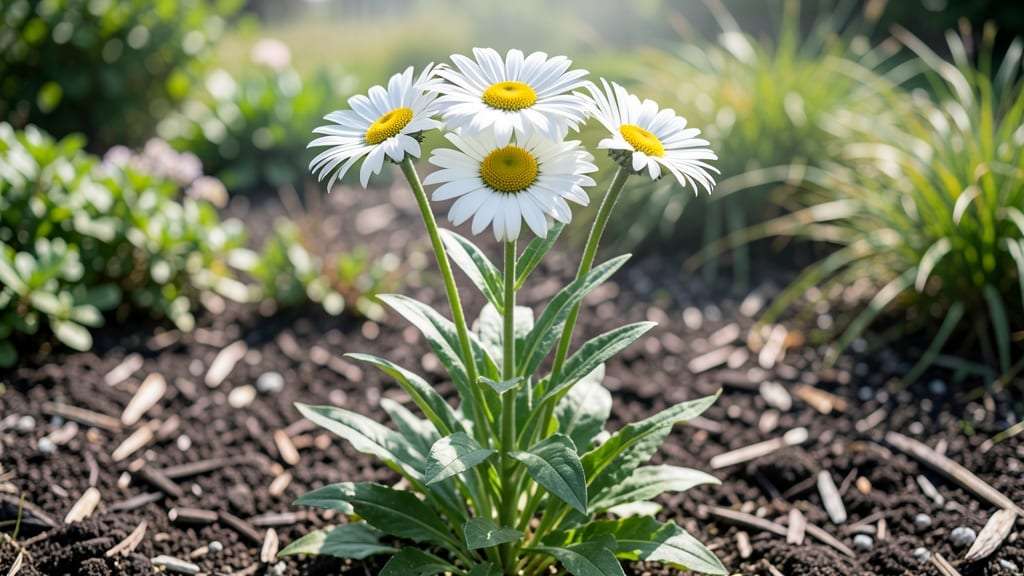
The Shasta daisy bloom season typically spans from late spring through summer 🌼, but the exact timing depends on your USDA zone and local climate.
If you’ve ever dreamed of a garden bursting with cheerful white-and-pink blooms, timing your Shasta daisy planting and care is everything—but knowing exactly when they’ll bloom in your climate can feel like solving a puzzle.
In cooler regions like Zone 6, expect those iconic 3-foot-tall blooms to start appearing in June, while warmer zones may see them as early as May. The key to a longer display? Deadheading spent flowers and adjusting watering as temperatures rise.
Below, I break down the month-by-month timeline for your zone, plus pro tips to stretch that bloom season from early summer well into September.
When Shasta daisies bloom: exact month-by-month timeline by USDA Zone
Timing your Shasta daisy blooms depends entirely on your USDA zone and local climate. These classic perennial flowers thrive in zones 3 through 10, but their bloom windows shift dramatically—from late May in Zone 3 to September in Zone 10.
Understanding these variations ensures you’ll enjoy their cheerful blooms at the perfect time, whether you’re in the chilly Pacific Northwest or the warm Southern states.
Cooler zones like Zone 4 and 5 experience shorter bloom seasons due to early frosts, while Zone 8 and 9 gardens can enjoy extended flowering if protected from heat stress.
Even within the same zone, regional microclimates—like coastal areas versus inland valleys—can shift bloom times by 2 to 4 weeks. For example, Seattle’s Zone 8 may see blooms start in June, while Atlanta’s Zone 7b could begin as early as May.
| USDA Zone | Early Bloom | Peak Bloom | Late Bloom | Notes |
|---|---|---|---|---|
| Zone 3 | Late May | June–July | Early August | Short season; protect from frost. |
| Zone 4 | Early June | July–August | Mid-August | Deadhead to extend blooms. |
| Zone 5 | Mid-June | July–September | Early September | Longest bloom window in cooler zones. |
| Zone 6 | Late June | July–August | Late September | Reblooms possible with care. |
| Zone 7 | Early June | June–September | October (coastal) | Heat-tolerant varieties bloom later. |
| Zone 8 | May–June | June–October | November (mild winters) | May require afternoon shade in summer. |
| Zone 9 | April–May | May–November | December (coastal) | May need winter mulch for frost protection. |
| Zone 10 | March–April | April–December | Year-round (coastal) | May require seasonal pruning. |
In Zone 3 and 4, where frosts linger into June, Shasta daisies often bloom in a single flush, making deadheading critical to encourage reblooms. I’ve found that in Minnesota (Zone 4), removing spent blooms by mid-July can coax a second round of flowers by
How to extend your Shasta daisy bloom season naturally (without chemicals)
Shasta daisies are famous for their long-lasting blooms, but with the right care, you can push their flowering season even further—naturally! These cheerful flowers thrive with minimal intervention, but a few strategic techniques can transform a 6-week bloom into a 3-month display.
The key lies in understanding their growth cycle and providing the right conditions at the right time.
In cooler climates like USDA Zones 3-6, Shasta daisies often bloom from late May to July. However, with proper deadheading, soil enrichment, and watering discipline, you can coax them into reblooming well into September.
The secret? Mimicking their natural growth patterns while avoiding common pitfalls like over-fertilizing or inconsistent moisture.
- Deadhead daily: Snip off spent blooms below the next set of leaves to redirect energy to new buds. Use clean, sharp pruners to avoid damaging stems.
- Amend soil in early spring: Mix in compost or aged manure to boost nutrients. Shasta daisies prefer well-draining soil with a pH of 6.0-7.0.
- Water deeply 2x/week: Soak the root zone (12-18 inches deep) in the morning to prevent fungal issues. Avoid wetting foliage.
- Plant with catmint or lavender: These companion plants deter pests and improve airflow, reducing stress on your daisies.
- Apply mulch in summer: Use 2-3 inches of straw to retain moisture and cool roots, especially in Zones 7-10 where heat can stress plants.
For gardeners in Zones 7-10, where summers are hotter, focus on shade cloth during peak afternoon sun to prevent wilting. Even a 30% shade cloth can extend blooms by 2-3 weeks by reducing heat stress.
Pair this with consistent watering—1 gallon per plant every 5-7 days—to keep roots hydrated without over-saturating the soil.
Another pro tip? Divide clumps every 3-4 years to rejuvenate growth. Overcrowded plants produce fewer blooms, so dig up rhizomes in early spring and replant sections 18-24 inches apart. This refreshes the plant and encourages vigor and more blooms in the same season.
By combining these techniques, you’ll transform your Shasta daisies from a single-season star to a year-round garden highlight. The best part? No chemicals needed—just smart gardening and a little patience. Your garden will thank you with bold, healthy blooms well into fall! 🌼