
Blooming
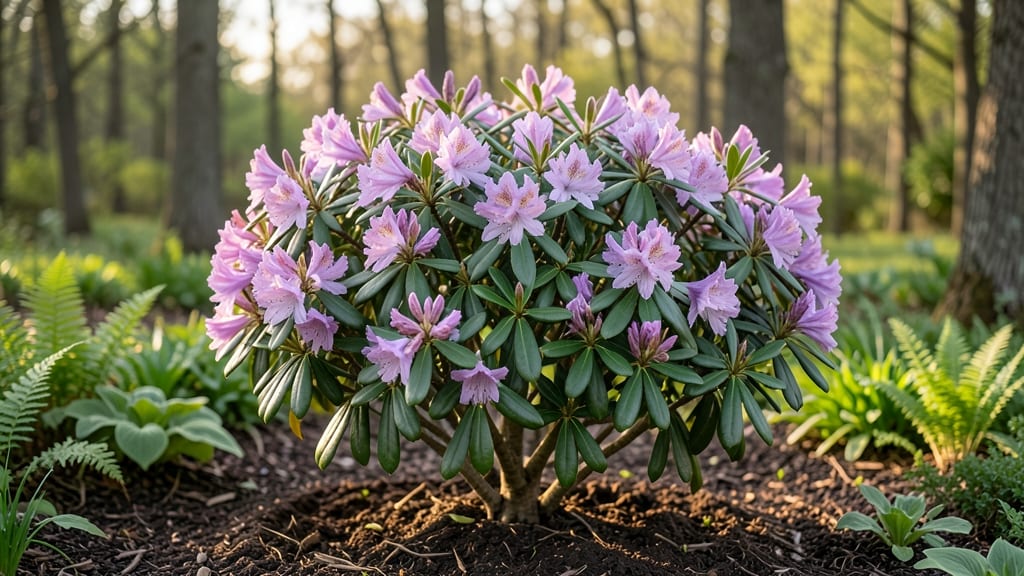
The PJM rhododendron blooms in late spring to early summer 🌸, turning gardens into fragrant, pink-lavender dreamlands—but timing can shift dramatically depending on where you live.
Picture this: your neighbor’s PJM is already in full bloom by Memorial Day, while yours hasn’t even budded yet. That’s not just a difference in luck—it’s about sunlight, soil, and even the specific variety you’ve planted.
If you’re planning your spring color palette, knowing these details could mean the difference between a showstopping display and a disappointing wait.
In this guide, I’ll break down the exact bloom windows for popular PJM varieties, how climate zones affect timing, and the simple care tweaks that can extend those flowers by weeks.
Whether you’re in Zone 3 or 8, you’ll learn how to coax the most out of your shrubs—and troubleshoot why yours might be playing catch-up.
Ready to turn your garden into a springtime spectacle? Let’s dive into the secrets of predictable, prolonged blooms—no guesswork required.
PJM rhododendron bloom time by variety: exact months & seasonal trends
The PJM rhododendron is famous for its prolonged spring blooms, but bloom timing varies widely by variety and region. Some varieties burst into flower as early as late April in warmer zones, while others wait until June in cooler climates.
Understanding these differences helps you plan your garden's seasonal color and avoid disappointment when your shrubs don't bloom on schedule.
Climate zones play a huge role in bloom timing. In USDA Zone 5, where winters are harsh, most PJM varieties bloom 2-3 weeks later than in Zone 7.
Southern gardeners in Zone 8 often enjoy blooms starting in April, while northern gardeners may not see flowers until mid-May. Even within the same zone, microclimates—like a south-facing slope versus a north-facing yard—can shift bloom dates by 1-2 weeks.
PJM Elite is the most prolific bloomer among PJM varieties, often starting in late April in the South and early May in the North. Its dark pink flowers cover the shrub so densely that you can barely see the foliage. If you're in Zone 6 or higher, you might even catch a few late-season blooms in fall, though these are usually sparse.
The PJM Compact variety is perfect for small gardens or containers, but its bloom time is slightly delayed compared
How often PJM rhododendrons flower: longevity & reblooming patterns
PJM rhododendrons are famous for their reliable annual blooms, but their flowering frequency depends on several factors. Most varieties produce one main flush of flowers each spring, typically lasting 2-4 weeks, with some reblooming lightly in fall under ideal conditions.
Understanding these patterns helps you plan your garden for year-round interest.
Young PJM rhododendrons (under 3 years old) may flower sparingly or not at all as they focus on establishing roots. Mature plants (5+ years) usually bloom more vigorously, with some varieties like 'PJM Compact' producing darker, more abundant flowers than standard types.
Proper care can encourage even older plants to rebloom.
- 🌸 Annual bloomers: Most PJM varieties flower once per year in late spring (May-June), with 2-3 week displays.
- 🌿 Reblooming potential: Some sun-exposed plants produce light fall blooms (September-October) if pruned correctly.
- 🪴 Age matters: Plants younger than 3 years may skip flowering entirely while establishing roots.
- ☀️ Sunlight impact: Partial shade (4-6 hours sun) maximizes blooms; full sun can reduce flowering.
- ✂️ Pruning tip: Avoid heavy pruning after blooming—this removes next year’s flower buds.
Sunlight exposure plays a critical role in reblooming. While PJM rhododendrons thrive in partial shade, 3-4 hours of morning sun can trigger fall reblooming in varieties like 'PJM Elite'. Too much afternoon sun, however, can stress the plant and reduce next year’s buds.
Test your site by observing how leaves react—if they scorch or wilt, move the plant to more shade.
Pruning habits directly affect future blooms. Always prune after flowering (June-July) to avoid removing next year’s flower buds, which form on old wood. Light shaping in late summer encourages compact growth and can stimulate fall blooms in sun-exposed plants.
Never prune more than 1/3 of the plant at once, as this shocks the shrub and delays flowering.
Soil acidity and nutrient balance also influence bloom frequency. PJM rhododendrons require acidic soil (pH 4.5-6.0)—test your soil and amend with peat moss or sulfur if needed.
A balanced fertilizer (10-10-10) applied in early spring and after blooming supports healthy flower production. Over-fertilizing with high nitrogen promotes leafy growth at the expense of blooms.
With the right care and conditions, your PJM rhododendron can become a reliable annual bloomer with occasional fall surprises. Start by protecting young plants from flowering stress, then optimize sunlight, pruning, and soil for long-term bloom success.
The key is patience—mature plants reward careful gardeners with stunning, repeat performances year after year.