
Blooming
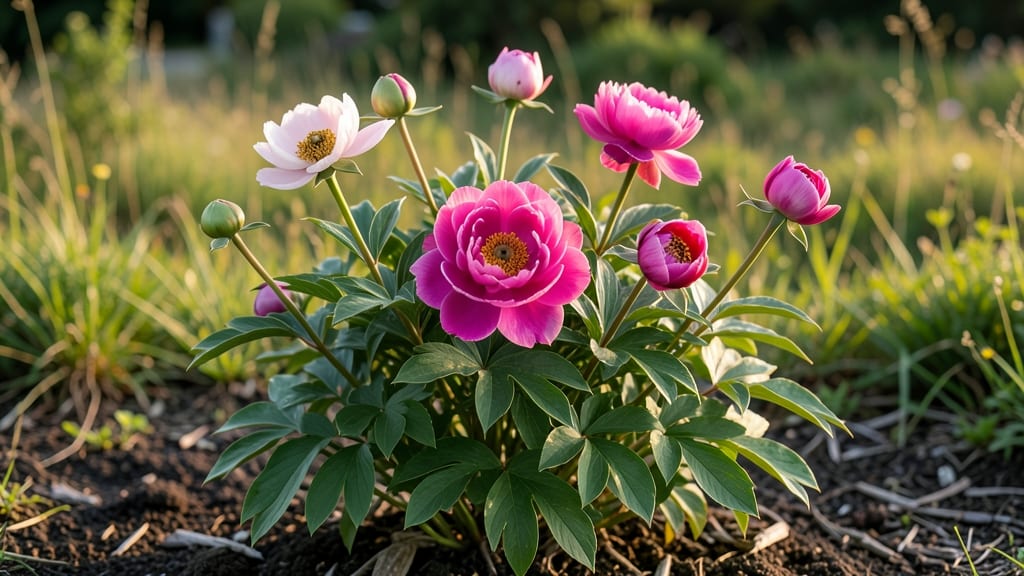
Peonies transform your garden from sleepy spring to showstopper summer—if you know their secret stages. 🌸 I’ve watched my peonies go from fuzzy green buds to velvety blooms for years, and the timing is everything. Miss a stage, and you might prune too soon or cut flowers past their prime.
The first three phases—bud swell, color show, and petal unfurling—happen in just 10-14 days, while the final stages stretch into weeks. Each phase demands a different approach: supporting heavy blooms, deadheading correctly, and even adjusting watering as the season shifts.
One wrong move, and you’ll end up with floppy stems or next year’s buds getting pruned away. By the time those fragrant spikes appear, you’ll recognize the signs: darker petal edges, a sweeter scent, and buds that feel firm but yield slightly when gently squeezed.
That’s your cue to enjoy them fresh—or cut them for the vase—before they start their graceful decline. Peonies reward patience, but they don’t tolerate neglect.
Whether you’re a first-time grower or a seasoned gardener, these stages will help you time everything—from pruning to fertilizing—for the most dramatic blooms your yard’s ever seen.
📚 In This Guide
- What you need
- Instructions
- Tips and common mistakes
- Wrapping up and next steps
What you need
- ● Peony plants: Healthy, established peony bushes (herbaceous or tree types) in full bloom or pre-bloom stages. Quantity: 1–3 for close-up observation.
- ○ Notebook or journal: For recording bloom stages, dates, and observations. Optional: A waterproof version if documenting outdoors.
- ● Camera or smartphone: With a macro lens or high-resolution camera for capturing fine details. Pro tip: Use natural light for the best photos! 📸
- ● Hand lens/magnifying glass: 3x–10x magnification to inspect bud structures and petal layers.
- ● Pruning shears: Bypass type, sharp, and sterilized for trimming spent blooms or collecting samples.
- ● Measuring tape or ruler: To track bud/flower growth in centimeters or inches.
- ● Labeling tags: Small, weather-resistant tags to mark plants/buds with stage numbers or dates.
- ● Garden gloves: To protect hands while handling thorny peony stems.
- ● Sketchbook or watercolors: For artists who want to capture bloom stages creatively.
- ● Growth chart template: Printable or digital (e.g., Excel/Google Sheets) to track progress visually.
- ● Humidity gauge: To monitor environmental conditions affecting bloom speed.
- ● Peony pollen kit: Small vials or slides for collecting and studying pollen during Stage 4–5.
Understanding peony bloom stages: a seasonal journey
Peonies transform from tight buds to lush blooms in a dance of patience and care. Here’s how to recognize and nurture each stage.
🌱 Step 1: Bud Formation (Late Winter to Early Spring)
Peony buds begin forming in late winter, often while the ground is still cold. Look for small, rounded swellings at the base of last year’s stems—these are your future blooms. In early spring, the buds will firm up, feeling dense and woody to the touch. This is when you’ll notice the first green tips emerging from the center of each bud.
This stage is all about waiting. Avoid pruning or disturbing the plants until you see the first hint of green. Peonies need this dormancy period to build energy for their spectacular summer display. If your climate has late frosts, protect emerging buds with a light frost cloth if temperatures dip below 25°F.
☀️ Step 2: Bud Swelling (March to April)
As temperatures rise, peony buds will swell noticeably, resembling oversized green peas. This is when they’re most vulnerable to frost damage, so keep an eye on the forecast. A good rule of thumb: if the buds are larger than a quarter, they’re at risk in freezing conditions.
During this phase, the buds will double in size over 2-3 weeks. You’ll also see the first signs of color—pink, red, or white—peeking through the outer layers. This is your cue that the plant is actively preparing for bloom. Water lightly if the soil feels dry, but avoid soaking the buds to prevent rot.
🌿 Step 3: Bud Opening (Late April to Early May)
The moment you’ve been waiting for arrives when the outer petals begin to part, revealing the inner layers. This stage lasts 5-7 days, and the buds will open gradually, like a flower unfurling its pages. You’ll notice the stems straightening and the petals taking on their full color.
Here’s the thing—peony buds open from the bottom up. The lower petals will lift first, followed by the upper layers. If you see buds that refuse to open, it could mean they’re struggling with moisture stress or pest pressure. A light spray of water on the foliage can help deter aphids, which love to cluster on emerging blooms.
💧 Step 4: Full Bloom (Mid-May to June)
When the peony is fully open, its fragrance will fill the air—sweet, intoxicating, and unmistakable. At this stage, the blooms will last 7-10 days, depending on the variety and weather. Cut flowers at their peak for the longest vase life, choosing stems with 3-4 sets of leaves below the bloom.
This is also the best time to enjoy your peonies in arrangements. To extend their life, trim the stems at an angle under water and change the water every 2 days. Avoid placing them near fruit, as ethylene gas (released by ripening fruit) can cause premature wilting.
✂️ Step 5: Bloom Decline (Late June)
After the petals begin to droop and fall, the peony enters its decline. The blooms will turn brown and crispy, and the stems will weaken. This is natural—don’t rush to cut them down. Instead, let the plant focus on setting seeds or storing energy for next year.
If you’re growing peonies for cut flowers, remove spent blooms once they’ve fully browned. For garden peonies, leave the foliage until it yellows naturally. This ensures the plant has time to photosynthesize and build up nutrients for next season’s buds.
🌱 Step 6: Foliage Maturity (July to August)
After the blooms fade, the peony’s leaves will thicken and darken, signaling the plant is shifting its energy underground. This is when the roots are actively growing and storing carbohydrates for next year’s flowers. Avoid pruning or dividing the plant during this time—wait until the foliage yellows completely.
Water deeply but less frequently now, as the roots are less active. Mulch around the base with 2-3 inches of organic matter to retain moisture and protect the crown from temperature swings. This is also the time to watch for pests like Japanese beetles, which love peony foliage.
⏰ Step 7: Dormancy Preparation (September to October)
As the leaves yellow and die back, the peony prepares for dormancy. This is the perfect time to prune spent stems down to 1-2 inches above the ground. Never cut into the woody base, as this can expose the plant to rot and disease.
Once the ground cools, the peony will go dormant. In colder climates, apply a 4-6 inch layer of mulch to insulate the crown. In milder regions, a light mulch is sufficient. This stage sets the foundation for next year’s buds—treat your peonies with care now, and you’ll be rewarded with even more stunning blooms.
Tips & tricks for perfect peony bloom stages
Peony blooms reveal their magic through careful observation and timing—here's how to nurture each phase like a pro.
Frost Protection: In Step 1, when you see those first green tips emerging, don't rush to remove frost cloth just because temperatures rise above 25°F. Morning frost can still sneak in—wait until midday when temperatures consistently stay above 30°F for at least 24 hours. I've seen buds wilt overnight after just one unexpected frost, so patience here pays off.
Bud Swelling Insights: During the 2-3 week swelling phase in Step 2, check your buds daily by gently squeezing them. Healthy buds should feel firm and slightly springy, not mushy. If you notice any soft spots, that's a sign of rot—remove those buds immediately to prevent spreading. A small hand mirror helps you spot early color changes without damaging the buds.
Pest Prevention: In Step 3 when buds begin opening, aphids become a real threat. I've found that spraying foliage with a mix of water and mild dish soap (just 1 teaspoon per quart) every 3-4 days keeps them away without harming beneficial insects. The key is to spray early in the morning when aphids are most active and the solution can dry before the sun gets too strong.
Cut Flower Secrets: For Step 4's full bloom stage, here's my pro tip: After cutting stems at an angle, immediately place them in a bucket of warm water (around 70°F) for 10 minutes. This shock treatment helps the stems absorb water quickly, extending vase life by up to 3 days. I always do this before arranging—it's a small effort that makes a big difference in how long your peonies stay fresh.
Pro Tips for Peony Bloom Stages
- Peony blooms reveal their magic through careful observation and timing—here's how to nurture each phase like a pro.
- Frost Protection: In Step 1, when you see those first green tips emerging, don't rush to remove frost cloth just because temperatures rise above 25°F.
- Bud Swelling Insights: During the 2-3 week swelling phase in Step 2, check your buds daily by gently squeezing them.
Frequently asked questions
Got questions about peony bloom stages? You’re not alone! Here are answers to the most common queries about watching (and encouraging) those stunning transformations from bud to bloom.
When do peonies typically bloom, and how long does each stage last?
Peonies usually bloom in late spring to early summer (May–June in most U.S. zones), but timing varies by variety and climate. Buds take 2–3 weeks to open fully, with each stage (bud swell, color change, petal unfurling) lasting 3–7 days. Herbaceous peonies bloom for 7–10 days, while tree peonies stretch theirs out over 2–3 weeks.
Why are my peony buds turning brown before blooming?
Brown buds often signal bud blast, caused by fungal diseases (like Botrytis) or winter damage. To prevent it, prune dead foliage in fall, avoid overhead watering, and ensure 6+ hours of sunlight. If it’s happening yearly, your peony might need replanting in a sunnier, well-draining spot.
Can I force peonies to bloom earlier or later?
Peonies are not easily forced like bulbs, but you can influence timing slightly. For earlier blooms, plant in full sun and mulch with compost in early spring. To delay blooming, shade them lightly after bud swell or prune 1/3 of the stems once buds form (though this may reduce flower count).
What should I do with peony blooms after they fade?
Deadhead spent blooms by snipping stems 1 inch above a leaf node to encourage more flowers and prevent seed formation. Never cut into the foliage—leave leaves until late fall to feed the roots. For cut flowers, harvest in the morning and change water daily to extend vase life.
Do peonies bloom every year, and how do I keep them healthy long-term?
Mature peonies (2–3 years old) bloom reliably, but young plants may take 2–3 seasons. For longevity:
- Divide every 5–7 years (spring or fall).
- Ensure 6+ hours of sun and well-draining soil.
- Fertilize lightly in early spring with low-nitrogen, high-phosphorus (like 5-10-10).
- Avoid overwatering—peonies hate soggy roots!
Wrapping up and next steps
Watching peonies transform from tight buds to lush, fragrant blooms is like nature’s own masterpiece—each stage packed with beauty and meaning. 🌸 Whether you’re a gardener eager to time your planting or simply admiring their charm, understanding these 7 bloom phases helps you appreciate the magic of peonies even more.
Now that you’re armed with insights, why not plant a few or share this knowledge with fellow garden enthusiasts? Your garden (and future blooms!) will thank you!