
Blooming
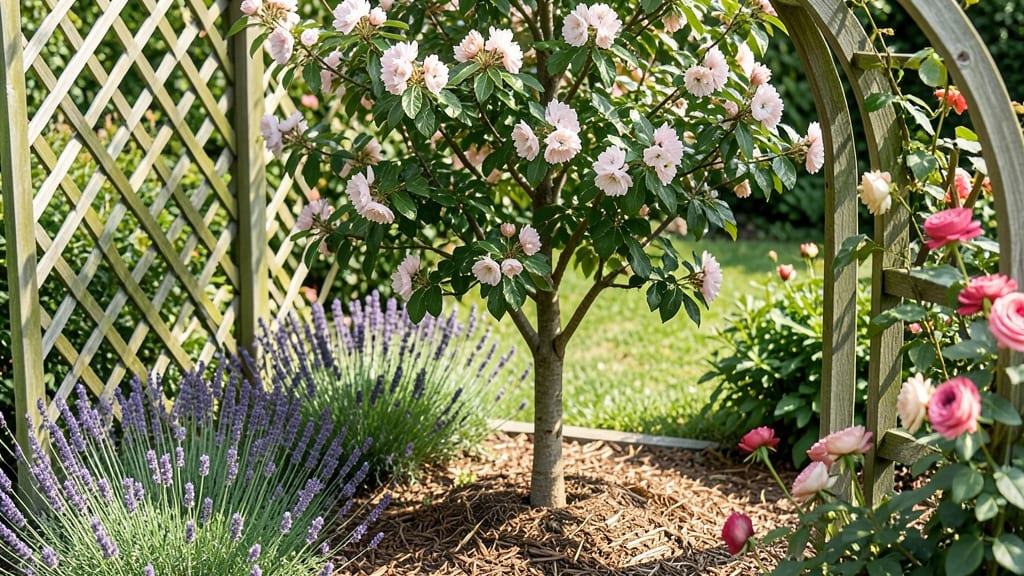
Your garden's softest secret weapon is a peach bloom border that spills over with fragrance and color from spring to frost. 🌸 I designed mine after years of hunting for plants that paired peach tones with purple accents—turns out, the combination creates a dreamy, romantic edge that no single flower could match alone.
The key isn't just the color palette but how the blooms cascade together, layering textures from velvety petals to feathery grasses.
Start with three core plants: a peach-colored rose for structure, fragrant purple clematis for vertical drama, and ornamental grasses in soft lavender to tie it all together. Space them 18-24 inches apart so they fill in quickly but still let you weave through without trampling the blooms.
Add peony bushes for early-season drama and lavender to bridge the color gap while keeping bees buzzing nearby.
What you'll end up with is a border that smells like a spring afternoon—sweet, warm, and just a little mysterious. The purple blooms catch the light differently at dawn and dusk, while the peach tones glow under afternoon sun.
Maintenance is easy: deadhead spent blooms in summer, trim grasses in early spring, and feed with compost tea twice a year.
This design thrives in full sun to partial shade, making it adaptable to most gardens. For cooler climates, swap clematis for hardy purple coneflowers—they'll still echo the same soft-purple theme while handling winter better.
The best part? Every time you walk by, you'll feel like you're strolling through a secret garden nobody else knows about.
📚 In This Guide
- What you need
- Instructions
- Tips and common mistakes
- Wrapping up and next steps
What you need
- ● Peach Bloom (Prunus persica 'Peach Bloom') plants – 3-5 plants per 6-foot section of border (adjust based on desired density). Choose healthy, 1-2 gallon container-grown plants for easier transplanting.
- ● Well-draining soil – A mix of native soil, compost (50%), and perlite or sand (20%) to prevent waterlogging. Aim for a pH of 6.0-7.0.
- ● Organic mulch – 2-3 inches of shredded bark or pine needles to retain moisture and regulate soil temperature.
- ● Slow-release fertilizer – 10-10-10 or 5-10-5 NPK ratio, applied at planting and mid-season (follow package rates).
- ● Drip irrigation or soaker hose – For consistent moisture, especially during the first 3-4 weeks post-planting.
- ● Pruning shears – Bypass pruners (sharp and clean) for shaping and maintenance.
- ● Garden gloves – To protect your hands from thorns and rough bark.
- ● Companion plants – Pair with lavender, catmint, or ornamental grasses for texture and pollinator appeal.
- ● Epsom salt – 1 tablespoon per plant mixed into soil at planting for magnesium boost (great for vibrant blooms!).
- ● Plant supports – Lightweight stakes or cages if your border is in a windy area (though Peach Bloom is naturally sturdy!).
- ● Seasonal blooms tracker – A small notebook or app to log pruning and blooming cycles for long-term success.
Step-by-Step instructions for creating a peach bloom border
Here's how to craft a fragrant, cascading purple display that blooms from spring to fall.
🌱 Step 1: Select and Prepare Your Planting Site
Choose a location with partial shade to full sun, depending on your climate. I like to place mine where it gets morning sun but afternoon shade—this prevents wilting while keeping the blooms vibrant. The border should be at least 3 feet wide to allow plants room to spread.
Clear the area of weeds and grass, then loosen the soil to a depth of 6-8 inches using a garden fork. Work in a 2-inch layer of compost to enrich the soil naturally. This ensures your plants have the nutrients they need for strong root development and abundant blooming.
🌿 Step 2: Choose the Right Plants for a Season-Long Display
For a peach bloom border, I recommend mixing purple clematis, lavender, catmint, and salvia. These plants complement each other beautifully and bloom at different times. Start with 4-6 plants per variety to create a lush, layered effect.
Plant clematis at the back of the border, allowing their vines to cascade over time. Lavender and catmint should go in the middle, while salvia can be placed at the front for its upright growth. Space plants 18-24 inches apart to give them room to grow without overcrowding.
☀️ Step 3: Plant and Water for Immediate Establishment
Dig holes for each plant that are twice as wide as the root ball but only as deep. Place the plant in the hole, ensuring the top of the root ball is level with the surrounding soil. Fill the hole with soil and press gently around the base to eliminate air pockets.
Water each plant deeply right after planting to help settle the soil and encourage root growth. The soil should be moist but not soggy. Mulch around the base with 2-3 inches of organic mulch to retain moisture and suppress weeds. This step is crucial for keeping your border healthy and vibrant.
✂️ Step 4: Maintain and Encourage Continuous Blooms
Water your border 1-2 times per week, depending on rainfall, keeping the soil consistently moist but not waterlogged. Deadhead spent blooms regularly to encourage new growth and prolong the flowering season. For clematis, I cut back the previous year's growth in early spring to promote fresh, vigorous blooms.
Fertilize lightly in early spring with a balanced, slow-release fertilizer. Avoid over-fertilizing, as this can lead to excessive foliage at the expense of flowers. Watch for pests like aphids or spider mites, and treat them promptly with insecticidal soap if necessary. With proper care, your peach bloom border will provide a stunning display from spring through fall.
🌸 Step 5: Enjoy and Extend the Season with Care
In late fall, cut back any dead or damaged growth, but leave the structure of woody plants like clematis intact. Add a fresh layer of mulch to protect the roots over winter. In early spring, prune lightly to shape the border and remove any dead growth from the previous season.
To extend the blooming season, I often add a few late-summer bloomers like purple coneflowers or black-eyed Susans to the mix. These plants fill in any gaps and provide additional color and fragrance. With a little attention, your peach bloom border will remain a stunning focal point in your garden year after year.
Tips & tricks for perfect peach bloom border
These simple strategies will help you create a thriving, fragrant garden display that lasts all season long.
Location is Everything: Pay special attention to Step 1 when choosing your site. Morning sun with afternoon shade creates the perfect balance for your purple blooms. I've found that even just 2-3 hours of afternoon shade can prevent wilting in hot climates, while still allowing enough sunlight for vibrant flowers. Test your spot for a few days before planting to observe how much sun it actually gets.
Layering Creates Depth: The plant arrangement in Step 2 is where the magic happens. Place your tallest plants like clematis at the back, then work your way forward with medium-height lavender and catmint, finishing with the upright salvia in front. This creates a beautiful cascading effect that draws the eye. Pro tip: Space your plants 18-24 inches apart—this gives them room to grow without competing for nutrients in the soil.
Watering Wisdom: After planting, give each plant a thorough watering to settle the soil around the roots. In Step 3, maintain that consistent moisture by watering 1-2 times per week, but never let the soil become waterlogged. A good rule of thumb is to water when the top inch of soil feels dry to the touch. Mulching with 2-3 inches of organic material helps maintain even moisture levels and keeps weeds at bay.
Seasonal Care: The maintenance tips in Step 4 are crucial for continuous blooms. Deadheading spent flowers regularly encourages new growth, and that early spring pruning for clematis gives you the most vibrant blooms. I've learned that a light application of balanced fertilizer in spring provides just enough nutrients without overpowering the plants. For pests, I keep insecticidal soap on hand—it's effective and gentle on beneficial insects.
Pro Tips for Peach Bloom Border
- These simple strategies will help you create a thriving, fragrant garden display that lasts all season long.
- Location is Everything: Pay special attention to Step 1 when choosing your site.
- Layering Creates Depth: The plant arrangement in Step 2 is where the magic happens.
Frequently asked questions
Got questions about creating your own peach bloom border? You’re not alone!
Here are some of the most common queries—plus straightforward answers—to help you get started with confidence.
When is the best time to plant a peach bloom border?
The ideal time to plant peach bloom (Prunus persica ‘Peach Bloom’) is in early spring or early fall. This gives roots time to establish before extreme summer heat or winter frost. If planting in containers, spring is your best bet to avoid root stress.
How much sunlight does a peach bloom border need?
Full sun (6+ hours daily) is a must for vibrant blooms and healthy growth. While peach bloom can tolerate partial shade, expect fewer flowers and leggy growth. A south- or west-facing border maximizes its potential for fragrant purple cascades!
How often should I water my peach bloom border?
Water deeply 1-2 times per week during the first growing season, then taper to weekly watering once established. Mulch (2-3 inches) helps retain moisture and reduces evaporation. Pro tip: Avoid soggy soil—drainage is key to prevent root rot.
Can I mix peach bloom with other plants in a border?
Pair it with dwarf conifers, lavender, or ornamental grasses for texture contrast. Just ensure companions have similar water and sun needs. Avoid aggressive spreaders like mint—they’ll crowd out your peach bloom’s delicate beauty.
How do I protect my peach bloom border in winter?
Mulch heavily (4-6 inches) with shredded bark or straw to insulate roots. In USDA Zones 5-6, young plants may need burlap wraps or frost blankets. Prune dead blooms in early spring, but avoid heavy pruning—this shrub thrives on its natural shape!
Wrapping up and next steps
Transforming your garden with a peach bloom border isn’t just about beauty—it’s about creating a fragrant, seasonal masterpiece that delights the senses. This vibrant purple cascade offers year-round interest, from delicate blooms to striking foliage, all while attracting pollinators and adding charm to any outdoor space.
Whether you’re a seasoned gardener or just starting, the key is patience and passion—your efforts will bloom into something truly special!
Ready to dive in? Start small—pick a sunny spot, gather your materials, and let your creativity guide you. Review the essentials one last time, then roll up your sleeves and plant your first peach bloom border. Your garden (and future visitors) will thank you!