
Blooming
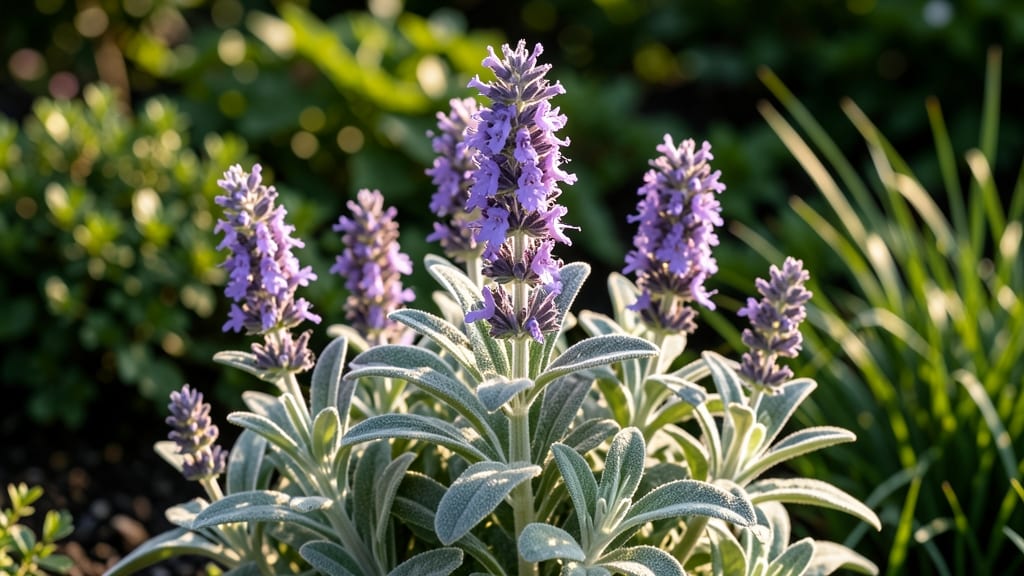
Nepeta's purple bloom time is one of the most reliable garden spectacles—after frost, when most perennials are just waking up. 🌿 I've watched my catmint defy winter's chill, bursting into fragrant lavender clouds by late spring, and it's nothing short of magical.
The key? Understanding its two bloom cycles and how to coax them both. This hardy perennial thrives in full sun and well-draining soil, but its timing depends on your zone. In cooler climates, it blooms once in spring, while warmer regions often see a second flush in fall.
Pruning spent flowers encourages more blooms, and dividing clumps every 3-4 years keeps them vigorous. By summer's end, you'll have nearly year-round interest—even after frost, when other plants have faded. The secret is deadheading regularly and avoiding heavy fertilizer, which promotes leafy growth over flowers.
Works beautifully in borders, containers, or pollinator gardens. Here's how to get those purple spikes back every season!
📚 In This Guide
- What you need
- Instructions
- Tips and common mistakes
- Wrapping up and next steps
What you need
- ● Nepeta plants: 1-3 Nepeta plants (e.g., Nepeta × faassenii or Nepeta racemosa), depending on desired coverage. Choose nursery-grown plants with established roots for quicker blooms.
- ● Well-draining soil: 5-10 bags of garden soil mix (or cactus/succulent mix for extra drainage). Aim for 1 cubic yard per 100 sq. ft. of planting area.
- ● Compost or organic matter: 1-2 5-gallon buckets of aged compost or worm castings to enrich soil.
- ● Fertilizer: 1 slow-release granular fertilizer (10-10-10 or 5-10-10 NPK ratio, 1 lb per 10 sq. ft.).
- ○ Optional: 1 balanced liquid fertilizer (e.g., fish emulsion) for mid-season feeding.
- ● Mulch: 1-2 bags of organic mulch (e.g., shredded bark or straw, 2-3 inches deep) to retain moisture and suppress weeds.
- ● Gardening tools: 1 trowel or hand shovel for planting.
- ● 1 pruning shears (sterilized with rubbing alcohol) for deadheading.
- ● 1 garden fork or hoe for loosening soil.
- ● 1 watering can or hose with a gentle spray nozzle (avoid overhead watering to prevent mildew).
- ● Sunlight & location: A full-sun spot (6+ hours of direct sunlight daily). Nepeta thrives in USDA Hardiness Zones 3-9.
- ● Water source: Consistent access to water (Nepeta is drought-tolerant but benefits from 1 inch of water per week during establishment).
- ○ Optional extras: 1 plant support stake (if growing taller varieties like Nepeta grandiflora).
- ● 1 garden marker to label your Nepeta (fun fact: it’s deer-resistant!).
How to time nepeta blooms for year-round purple spikes
Here's how to coax your hardy nepeta into its signature lavender blooms—twice a year, frost or no frost.
☀️ Step 1: Plant in Full Sun for Maximum Bloom Trigger
Nepeta thrives in 6+ hours of direct sun daily, which is its primary bloom trigger. I always plant mine in the sunniest spot available—even half-day sun delays flowering and weakens the scent. The more intense the light, the more vigorous the purple flower spikes will be.
If your garden has limited sun, choose a south-facing location and supplement with a reflective surface (like white gravel) to bounce extra light onto the plants. You'll notice the difference immediately: plants in full sun develop thicker stems and denser foliage before blooming, while shade-grown nepeta stretches and produces fewer flowers.
⏰ Step 2: Prune Strategically After First Bloom for Second Flush
The secret to nepeta's repeat performance lies in post-bloom pruning. Once the first flush of flowers fades (usually in early summer), I shear back the stems by one-third their height using clean, sharp pruners. This removes spent blooms while leaving enough foliage to photosynthesize and store energy for the next round.
Don't cut into old wood—always leave some fresh green growth. I wait until after the first frost to do the final prune of the season, cutting back to 4-6 inches tall. This hard pruning encourages new growth in spring, ensuring those fragrant purple spikes return even stronger the following year.
💧 Step 3: Water Deeply but Infrequently to Avoid Leggy Growth
Nepeta is famously drought-tolerant, but that doesn't mean you should neglect it. Water deeply once a week during establishment (first growing season), then every 10-14 days once established. The key is soaking the root zone until water runs out the drainage holes—this encourages deep root growth, which translates to stronger stems and more blooms.
I avoid overhead watering, which can promote fungal diseases that weaken the plant. Instead, I water at the base in the morning so foliage has all day to dry. You'll know you're doing it right when the soil feels dry 2 inches down between waterings—nepeta will tell you if you're overdoing it by developing yellow leaves or flopping stems.
✂️ Step 4: Deadhead Regularly to Extend the Bloom Season
Pinching off spent flower spikes as soon as they fade (using your fingers or small pruners) signals the plant to redirect energy into new blooms instead of seed production. I make it a habit to check my nepeta every 3-4 days during peak bloom season—this keeps the plant flowering for 6-8 weeks total instead of the usual 3-4 weeks.
Don't remove more than one-third of the plant's height at a time—this prevents stress. I always leave some flowers to go to seed naturally, as this ensures pollinators visit and strengthens the plant's genetic diversity for future seasons. The result? A continuous display of those signature lavender plumes from early summer through fall.
🌱 Step 5: Protect from Winter Dieback for Reliable Returns
While nepeta is perennial, it often looks like it dies back completely in winter—don't panic. The secret is to leave the dead foliage intact through winter. This natural mulch protects the crown from temperature swings and insulates the roots.
In early spring, I wait until new growth appears (usually late March or April) before cutting back the old stems to 2 inches tall. This timing ensures the plant has already begun photosynthesizing and won't be shocked by the prune. You'll see fresh green shoots emerge within 2-3 weeks, confirming the plant is alive and ready for another season of purple blooms.
Tips & tricks for perfect nepeta bloom timing
Here's what nobody tells you about maximizing those fragrant purple spikes—lessons from years of trial and error in my own garden.
Location is Everything: When selecting your planting site, prioritize areas with at least 6 hours of direct sun daily—this is non-negotiable for nepeta's flowering performance. I've found that south-facing slopes receive the most intense light, which translates directly to more robust blooms. If your garden lacks ideal sun exposure, consider using reflective surfaces like white gravel or even a simple aluminum foil panel placed strategically to bounce extra light onto your plants. The difference in stem thickness and flower density is dramatic when comparing sun-starved versus sun-drenched nepeta.
Pruning Precision: The one-third height reduction after the first bloom is critical, but timing matters just as much. I've learned that waiting until the flowers have completely faded (not just wilting) ensures you're removing spent blooms at the optimal moment. For the final seasonal prune, I mark my calendar for after the first frost—this timing allows the plant to fully prepare for dormancy while still having enough energy to push fresh growth in spring. Using clean, sharp pruners prevents tearing stems, which can introduce pathogens.
Watering Wisdom: The deep watering technique is where most gardeners go wrong—I see plants with constantly damp soil that develop root rot, while others get watered too infrequently and produce leggy, weak growth. The key is to water until you see moisture running from the drainage holes, then wait until the soil is dry 2 inches down before watering again. This mimics natural rainfall patterns and encourages deep root development. I've found that morning watering at the base eliminates fungal risks while giving foliage plenty of time to dry before evening.
Season Extension Strategy: Regular deadheading every 3-4 days during peak bloom season transforms what would normally be a 3-4 week display into a stunning 6-8 week spectacle. The secret is to remove only the spent flower spikes while leaving the lower foliage intact—this maintains the plant's energy balance. I've also noticed that leaving a few flowers to go to seed naturally attracts beneficial pollinators, which actually improves next year's blooms through genetic diversity. This balance between maintenance and natural processes creates that continuous purple display we all love.
Pro Tips for Nepeta Bloom Time
- Here's what nobody tells you about maximizing those fragrant purple spikes—lessons from years of trial and error in my own garden.
- Location is Everything: When selecting your planting site, prioritize areas with at least 6 hours of direct sun daily—this is non-negotiable for nepeta's flowering performance.
- Pruning Precision: The one-third height reduction after the first bloom is critical, but timing matters just as much.
Frequently asked questions
about Nepeta bloom time—because every gardener deserves clarity! Here are answers to the most common questions about timing, care, and troubleshooting these fragrant purple beauties.When does Nepeta typically bloom?
Nepeta usually blooms in late spring to early summer (May–June), with some varieties reblooming in fall. Cold-hardy types may even produce a third flush after frost! Plant in full sun for the best timing.
Will Nepeta rebloom after the first frost?
Yes! Many Nepeta varieties are perennial and return yearly, often blooming again in spring or early fall after frost. Prune spent blooms to encourage a second flush.
Why isn’t my Nepeta flowering?
Check these fixes:
- Not enough sun? Move to a sunnier spot (6+ hours/day).
- Over-fertilizing? Too much nitrogen = leafy growth, no blooms. Use low-phosphorus fertilizer.
- Deadheading missed? Trim faded flowers to prompt reblooming.
What’s the best Nepeta variety for long bloom times?
Try these reliable performers:
- Nepeta ‘Walker’s Low’ – Sturdy, long-blooming, and deer-resistant.
- Nepeta ‘Six Hills Giant’ – Bold spikes, blooms May–June.
- Nepeta ‘Faassen’s Blue’ – Early spring bloomer, great for pollinators.
Can I extend Nepeta’s bloom time?
Deadhead regularly to remove spent blooms, and prune lightly after the first flush to encourage new growth. Mulch well to protect roots and water deeply but infrequently—drought-tolerant plants bloom best when slightly stressed!
Wrapping up and next steps
Nepeta’s fragrant purple blooms are a gardener’s dream—low-maintenance, frost-resistant, and packed with charm! 🌸 Whether you’re a seasoned green thumb or just starting, this hardy perennial proves that beauty thrives with minimal effort.
The key? Patience and placement—plant it right, and you’ll enjoy its showstopping spikes for years to come.
Ready to transform your garden? Start small—try a single plant in a sunny spot, and let Nepeta’s magic unfold. Before you know it, you’ll be sharing tips (and photos!) with fellow plant lovers. Happy gardening! 🌿