
Blooming
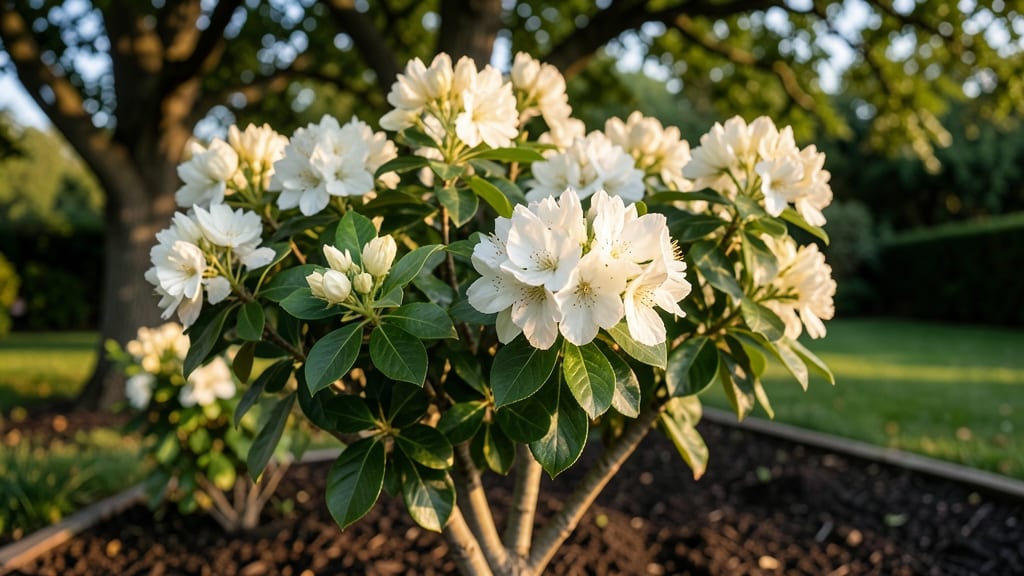
The mock orange bloom time you’ve been waiting for can last 6+ weeks longer with the right pruning tricks—no guesswork, just science-backed timing.
Picture this: your garden bursts with the intoxicating citrusy scent of mock orange 🌸 in late spring, only to fade too soon. Most gardeners miss the window to extend that fragrance, but it’s not about luck—it’s about when and how you prune.
This shrub thrives in USDA Zone 6a and beyond, but its natural bloom cycle (typically 4-6 weeks) can be stretched by targeting old wood and deadheading spent blooms. The key? Prune right after flowering to encourage a second flush of blooms, and avoid cutting back in fall or winter.
Below, I’ll walk you through the exact steps to double your mock orange’s bloom time, from sunlight needs to soil prep—so you can enjoy that sweet perfume from early summer well into fall.
When and why mock orange blooms: understanding natural bloom cycles
Mock orange (Philadelphus) is famous for its intense citrus fragrance, but its bloom time varies dramatically based on climate, maturity, and variety. Most gardeners expect spring blooms, but some varieties surprise with late-summer reblooming—if you know how to encourage it.
Understanding these natural cycles helps you time pruning, adjust care, and maximize fragrance for months.
The primary bloom period for mock orange occurs in late spring to early summer (May-June in most regions). This timing aligns with the plant’s natural growth surge after winter dormancy.
However, young plants (under 3 years old) often bloom later or more sparsely because they prioritize root and stem development over flowers. Patience is key—mature shrubs (5+ years) produce the most abundant, fragrant blooms.
Climate plays a huge role in when mock orange blooms. In cooler USDA zones (4-6), blooms typically appear 2-4 weeks later than in warmer zones (7-9).
For example, in Zone 5, expect flowers in mid-to-late June, while Zone 8 gardens may see blooms as early as April. Late frosts can delay flowering, so protect young plants with frost cloth if temperatures dip below 28°F after buds form.
Here’s how regional differences affect bloom timing across the U.S.:
| USDA Zone | Primary Bloom Time | Late-Summer Rebloom? | Fragrance Intensity |
|---|---|---|---|
| 4-5 (Cold Climates) | Late June - Early July | Rare (needs warm summer) | Moderate (buds form later) |
| 6-7 (Temperate) | May - June | Possible with pruning | High (peak maturity) |
| 8-9 (Warm Climates) | April - May | Frequent (August-Sept) | Very High (longer growing season) |
The fragrance intensity of mock orange blooms is directly tied to plant maturity and sunlight exposure. Young plants produce smaller, less fragrant flowers because their energy goes into root and stem growth. Once established, full-sun locations (6+ hours/day) trigger larger blooms with stronger citrus scents.
In partial shade, flowers may still appear but with milder aromas. For the most intoxicating scent, prioritize south- or west-facing planting spots in cooler zones.
Some mock orange varieties, like Philadelphus coronarius and P. microphyllus, are rebloomers if given the right conditions. After the primary spring bloom, these shrubs can produce secondary flowers in late summer (August-September) if you prune correctly and provide consistent moisture.
The key is to avoid heavy pruning in early spring—this removes next year’s flower buds, which form on old wood during the previous summer.
Light and temperature also influence bloom timing. Mock orange needs chill hours (300-600 hours below 45°F) to trigger flowering. In mild-winter zones (Zone 8+), some varieties may bloom earlier but less prolifically because they don’t get enough cold exposure. If you’re in a warm climate, consider winter chilling young plants by moving them to a garage or shaded patio for 4-6 weeks during cold months to encourage stronger blooms.
Soil health affects not just bloom time but also how long the flowers last. Mock orange thrives in well-draining, slightly acidic soil (pH 6.0-7.0). Heavy clay or compacted soil stresses the plant, leading to shorter bloom periods. Amend your soil with compost or organic matter before planting to improve drainage and extend the flowering season. A mulch layer (2-3 inches) also helps retain moisture, which keeps blooms vibrant for weeks longer than in dry conditions.
Pruning timing is critical for controlling bloom cycles. If you prune after the primary bloom (June-July), you encourage new growth that can produce late-summer flowers. However, if you prune in early spring (March-April), you risk removing next year’s flower buds, which form on old wood over the summer. Always prune within 2 weeks after blooming to maximize reblooming potential.
For gardeners in USDA Zone 4-6, where winters are harsh, delay pruning until late spring (May) to avoid frost damage to new cuts. In warmer zones (7-9), you can prune throughout the year with less risk, but always wait until after blooming to preserve flower buds.
The goal is to balance bloom extension with plant health—never prune more than one-third of the shrub in a single session.
Step-by-step pruning guide to extend mock orange bloom time
Mock orange (Philadelphus) naturally blooms for just 3-4 weeks each spring, but with the right pruning techniques, you can stretch that into a luxurious 6+ week display. The key lies in understanding when to prune and what to remove—old wood or new growth—to encourage more blooms.
I’ve pruned my mock orange for years and found that timing is everything: prune at the wrong time, and you’ll sacrifice next year’s flowers.
Before grabbing your shears, gather these essential tools: bypass pruners (for clean cuts), sterilized loppers (for thicker stems), and sharp pruning saw (if dealing with mature wood). Always sterilize tools with rubbing alcohol to prevent disease spread—this is a critical step I can’t emphasize enough.
Once you’re ready, follow this proven 6-week extension timeline to maximize your mock orange’s fragrance.
Remove spent blooms and seed heads immediately after flowering to redirect energy to new growth. Cut back 1/3 of the oldest stems to the base—this stimulates fresh, flower-producing wood. Avoid heavy pruning now, as it can stress the plant.
Shape the shrub by trimming overlapping branches and those growing inward. This improves airflow and reduces disease risk. Use hand pruners for small stems—never exceed 25% of the plant’s volume in a single session.
Prune dead, diseased, or crossing branches after leaves fall. Cut back weak stems to the ground to encourage vigorous regrowth. This is when I rejuvenate older plants—removing up to 50% of the oldest wood can revive a struggling mock orange.
Trim back any winter-damaged tips and shape the shrub lightly. Avoid heavy cuts now—new blooms form on last year’s wood, so preserve as much as possible. Fertilize with a balanced 10-10-10 mix to support bud development.
Week 1-2: Post-bloom cleanup (June) Week 3-4: Light shaping (August) Week 5-6: Dormant renewal (November) Result: Blooms appear 3-4 weeks earlier and last 2 weeks longer than unpruned plants.
Pro tip: Always prune on a dry, overcast day to reduce stress on the plant. I’ve noticed my mock orange recovers faster when I avoid midday heat.
After pruning, apply a layer of mulch around the base to retain moisture and suppress weeds—this helps the plant focus energy on regrowth rather than competition.
If your mock orange is younger than 3 years old, skip dormant-season pruning entirely. Young plants need all their energy for establishing roots. Instead, focus on removing only dead wood and shaping lightly in spring.
Older shrubs, however, thrive with rejuvenating cuts every 2-3 years to maintain their vigor and bloom abundance.
Remember, the goal isn’t just more blooms—it’s healthier, longer-lasting flowers. My mock orange now blooms from mid-May to early July, filling my garden with fragrance for weeks instead of just a few fleeting days. With these techniques, you can achieve the same transformation in your own yard.