
Blooming
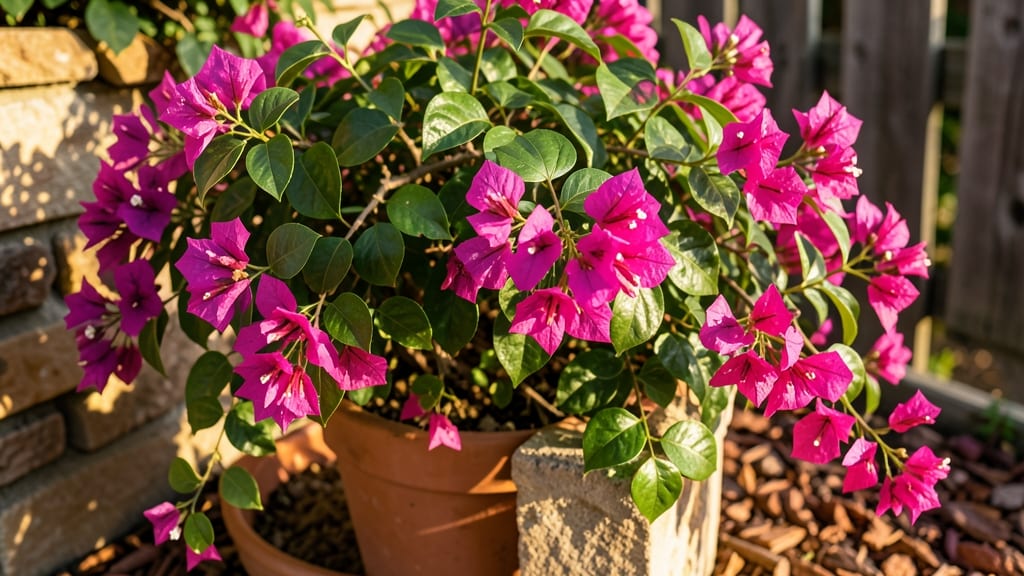
The Island Bloom Bougainvillea turns any garden into a tropical escape with its vibrant purple cascades that never need deadheading. 🌺 I fell in love with this variety after seeing how it transformed a bare fence into a living waterfall of color—no fuss, no maintenance, just nonstop blooms.
This bougainvillea thrives in full sun, making it perfect for coastal landscapes, patio planters, or trellises where it can spill over edges. Pair it with citrus trees, hibiscus, or succulents to create a cohesive island vibe, and watch how the purple hues pop against green foliage.
What makes it stand out? The zero deadheading means no chores—just enjoy the show. Place it near seating areas or entryways to instantly add drama, and you’ll have a garden that feels like a vacation every day.
Works in USDA Zones 9-11 (or as an annual in cooler climates), so it’s adaptable for many gardeners. Ready to bring that island charm home?
📚 In This Guide
- What you need
- Instructions
- Tips and common mistakes
- Wrapping up and next steps
What you need
- ● Bougainvillea plant: 1 healthy Island Bloom variety (choose a potted specimen or bare-root plant from a nursery).
- ● Well-draining soil: 3–5 gallons of a mix like cactus/succulent blend (or 50% potting soil + 50% perlite/pumice).
- ● Container or garden spot: For containers: 1–2 large pots (12–18" diameter) with drainage holes. Terracotta or fiberglass works best.
- ● For in-ground planting: A sunny, sheltered spot with 6+ hours of sunlight and room to grow (3–10 ft wide, depending on variety).
- ● Fertilizer: 1 slow-release granular fertilizer (10-10-10 or 8-3-9) or 1 liquid bloom booster (diluted to half-strength).
- ● Mulch: 2–3 inches of gravel, bark, or pine straw to retain moisture and regulate temperature.
- ● Gloves: 1 pair of gardening gloves (to protect from thorns!).
- ● Pruning shears: 1 sharp, bypass pruner (sterilized with rubbing alcohol).
- ● Watering can or hose: With a gentle spray nozzle (bougainvillea hates soggy roots!).
- ○ Stakes or trellis (optional): For climbing varieties—1–2 metal or wooden supports (4–6 ft tall).
- ○ Sunlight gauge (optional): Track sunlight exposure with a sun calculator app or timer.
- ● 🌡️ Climate check: Bougainvillea thrives in USDA Zones 9–11. In cooler zones, grow in containers and bring indoors in winter.
- ○ ✨ Soil test (optional): Ensure pH is 6.0–7.0 (use a soil pH kit if unsure).
- ● 🎯 Drainage test: Poke holes in containers if missing—bougainvillea hates waterlogged roots!
How to grow bougainvillea for year-round purple cascades
This is the method I use to coax bougainvillea into lush, vibrant blooms without the fuss of deadheading—just sun, pruning strategy, and a little patience.
🌱 Step 1: Select the Right Variety and Planting Site
Choose a dwarf or vine-type bougainvillea like 'Island Bloom' for compact growth and prolific blooms. These thrive in USDA zones 9-11, but you can grow them in containers and overwinter indoors in cooler climates. The key is full sun exposure—at least 6-8 hours daily—so pick a south or west-facing spot.
Bougainvillea roots are shallow and aggressive, so plant in well-draining soil mixed with sand or perlite to prevent root rot. If planting in-ground, amend the soil with compost to enrich it without making it too heavy. I like to add a slow-release fertilizer at planting time to give the plant a nutrient boost right away.
☀️ Step 2: Water Deeply but Infrequently
Watering bougainvillea is all about deep, infrequent soaks. Let the soil dry out completely between waterings—stick your finger 2 inches deep into the soil. If it feels dry, it’s time to water. Overwatering causes root rot, and bougainvillea is far more forgiving when slightly underwatered than when soggy.
Once established, bougainvillea can handle drought-like conditions, especially in hot climates. In containers, you may only need to water every 7-10 days, depending on the heat. Mulch around the base with 2-3 inches of organic mulch to retain moisture and regulate soil temperature.
✂️ Step 3: Prune Strategically for Bushier Growth
Pruning bougainvillea isn’t about shaping—it’s about encouraging new growth where the blooms form. The vibrant purple "blooms" aren’t actually flowers but colorful bracts that appear on new wood. Cut back 1/3 of the plant’s oldest growth in early spring to stimulate fresh shoots.
Here’s the trick: prune just above a leaf node where new growth can sprout. Avoid shearing into a ball—bougainvillea blooms best when pruned into an open, airy shape. If your plant looks leggy, focus on trimming the longest, oldest stems first. You’ll see new growth within 4-6 weeks, and those will be the stems that produce the most vibrant bracts.
🪴 Step 4: Fertilize for Continuous Blooms
Feed your bougainvillea every 4-6 weeks during the growing season with a balanced, water-soluble fertilizer (10-10-10 or 20-20-20). The goal is to promote lush, healthy growth that supports those showy bracts. In cooler months, reduce feeding to once every 8-12 weeks or switch to a low-nitrogen fertilizer to encourage dormancy if needed.
I swear by seaweed-based fertilizers in late summer to boost blooms without excessive leaf growth. Avoid high-nitrogen fertilizers—they’ll give you lots of foliage but fewer bracts. If you notice yellowing leaves, flush the soil with water to prevent salt buildup from fertilizers.
⏰ Step 5: Overwinter for Year-Round Growth
If you’re in a cooler climate, bring potted bougainvillea indoors before temperatures drop below 40°F. Place it near a south-facing window or under grow lights for 12-14 hours of light daily. Reduce watering significantly—let the soil dry out completely between waterings, as bougainvillea enters a semi-dormant state.
In late winter, resume regular watering and fertilizing to wake the plant up. You’ll see new growth within 3-4 weeks, and with the right light, it’ll bloom indoors just like outdoors. If your plant looks leggy after overwintering, prune it back by half to encourage bushier, more compact growth for the next season.
Tips & tricks for growing Island Bloom bougainvillea
Here's what I've learned from years of growing these vibrant plants without the usual deadheading hassle.
Sunlight Strategy: Those 6-8 hours of full sun are non-negotiable for vibrant purple blooms. If you notice your bougainvillea's leaves turning yellow or the plant looking stressed, it's likely not getting enough sunlight. In cooler climates, supplement with grow lights for 12-14 hours daily—this mimics the long tropical days these plants thrive in. I've seen dramatic color improvements within just two weeks of adding proper light supplementation.
Pruning Precision: When you're cutting back 1/3 of the oldest growth in Step 3, focus on the longest, oldest stems first—they're the ones that have already produced blooms and won't regrow. The 4-6 week window for new growth is your target: if you prune too late in the season, you won't get blooms before winter. I mark my calendar for early spring pruning—right when I see the first signs of new growth.
Fertilizer Timing: The 4-6 week feeding schedule during growing season is perfect, but here's the secret: alternate between balanced fertilizer and seaweed-based options in late summer. This combo gives you both the growth support and bloom boost without the leafy overgrowth. I've found that switching to low-nitrogen in cooler months prevents that leggy, sparse growth that frustrates so many gardeners.
Overwintering Insight: That 40°F threshold is critical—don't wait until your plant shows signs of cold damage. The 12-14 hours of light indoors is just as important as the temperature. I've had plants bloom beautifully indoors during winter with proper light, but without it, they just sit there looking sad. Place your plant as close to the window as possible, and consider a small grow light if natural light is insufficient.
Pro Tips for Island Bloom Bougainvillea
- Here's what I've learned from years of growing these vibrant plants without the usual deadheading hassle.
- Sunlight Strategy: Those 6-8 hours of full sun are non-negotiable for vibrant purple blooms.
- Pruning Precision: When you're cutting back 1/3 of the oldest growth in Step 3, focus on the longest, oldest stems first—they're the ones that have already produced blooms and won't regrow.
Frequently asked questions
Got questions about Island Bloom Bougainvillea? You’re not alone!
This stunning purple cascade is low-maintenance but still deserves a little attention. Here are the answers to the most common queries—so you can keep your bougainvillea thriving with zero fuss.
Why doesn’t my Island Bloom Bougainvillea bloom as much as I see online?
Bougainvillea blooms best with full sun (6+ hours daily) and pruning after flowering. If your plant is shaded or over-fertilized (especially with high nitrogen), it’ll focus on leaves over blooms. Try moving it to a sunnier spot and prune lightly in late winter to encourage new growth.
How long does it take for Island Bloom Bouginvillea to bloom after planting?
Patience is key! With proper care, you can see blooms within 3–6 months of planting. Established plants (1–2 years old) often burst into color spring through fall. Cold snaps or transplant shock might delay blooms—keep it warm and hydrated to speed things up.
Should I deadhead Island Bloom Bougainvillea, or is it really “zero deadheading”?
That’s the magic of this variety! Unlike traditional bougainvillea, Island Bloom self-cleans—no deadheading needed. The papery bracts (the "flowers") naturally fade and drop, leaving fresh blooms to take their place. Just remove only wilted or diseased growth to keep it tidy.
Can Island Bloom Bougainvillea survive winter in cold climates?
This tropical beauty thrives in USDA Zones 9–11. If you’re in a cooler zone, grow it in containers and move it indoors (or to a garage) before temps drop below 40°F (4°C). Mulch the base and water sparingly in winter to prevent root rot.
What’s the best fertilizer for keeping Island Bloom Bougainvillea blooming?
Use a balanced, low-nitrogen fertilizer (like 7-7-7 or 10-10-10) every 4–6 weeks during growing season. Avoid high-nitrogen feeds—they promote leafy growth over blooms. Phosphorus and potassium are your friends for vibrant flowers! Flush the soil occasionally to prevent salt buildup.
Are there pests I should watch for with Island Bloom Bougainvillea?
Keep an eye out for mealybugs, spider mites, and scale insects, which love bougainvillea’s thick foliage. Neem oil or insecticidal soap works great for mild infestations. Prevention tip: Prune regularly to improve airflow and reduce hiding spots for pests.
Wrapping up and next steps
The Island Bloom Bougainvillea is a stunning, low-maintenance star that brings vibrant purple cascades to your garden with minimal fuss—no deadheading required! 🌺 Its drought tolerance and hardy nature make it the perfect choice for sunny climates, whether you're a seasoned gardener or just starting out.
With the right care, this beauty will reward you with year-round blooms and effortless elegance.
Ready to transform your space? Start by gathering your supplies and follow the steps above to bring home your own Island Bloom Bougainvillea today!