
Blooming
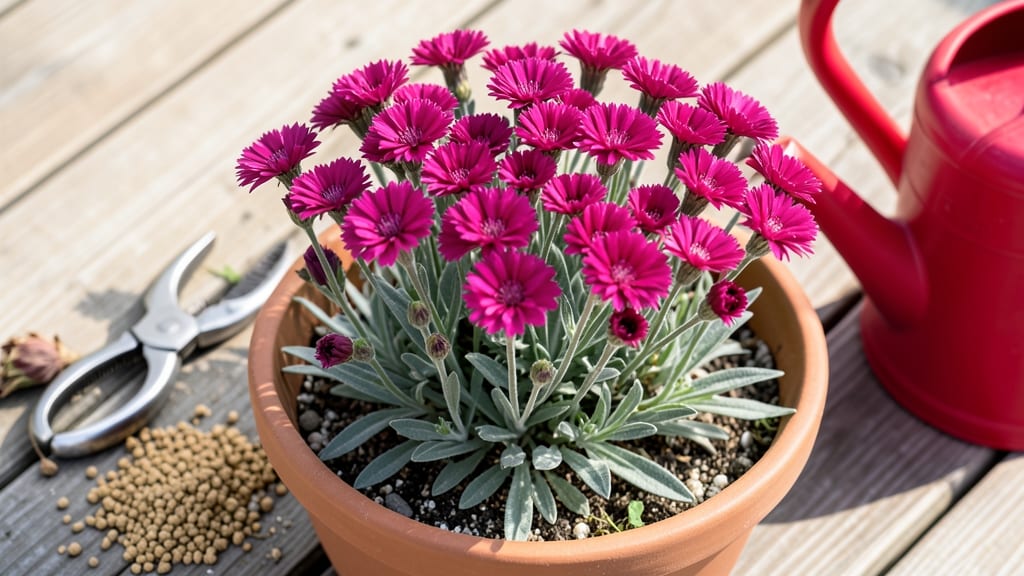
How to get dianthus to bloom more—your fragrant pink and magenta spikes could cover your garden by next month if you know the two simple tricks most gardeners miss. 🌸 The secret isn't fancy fertilizers or secret pruning techniques, but a combination of deadheading and feeding that forces your plants to focus on blooms instead of foliage. The first step is ruthless: snip off every faded flower head as soon as it wilts. I used to wait until the stems turned brown, but now I grab my pruners the moment blooms droop. This sends a signal to the plant that it's time to produce more flowers, not seeds. Pair that with a light feeding of balanced fertilizer every 4-6 weeks, and you'll see new buds forming within weeks. By mid-summer, your dianthus will be a cloud of color rather than a few scattered blooms. The fragrance alone—sweet and spicy—makes it worth the effort. And the best part? These techniques work for both perennial and annual varieties, so whether you're growing 'Firewitch' or 'Sweetheart', you'll get the same dramatic results. The only catch is consistency. Skip a deadheading session or forget to feed, and you'll notice the difference immediately. But once you establish the routine, your dianthus will reward you with blooms from early summer until frost.
📚 In This Guide
- What you need
- Instructions
- Tips and common mistakes
- Wrapping up and next steps
What you need
- ● Pruning shears or sharp scissors – Clean, sterilized (to prevent disease). Size: Small handheld (4–6 inches).
- ○ Gloves (optional but recommended) – Garden gloves to protect hands from thorns.
- ● Balanced fertilizer (10-10-10 or 20-20-20) – Quantity: 1–2 tbsp per plant (follow label instructions). Look for slow-release options for steady growth.
- ● Watering can or hose with a gentle nozzle – Fine mist setting to avoid damaging blooms.
- ○ Compost or organic mulch (optional) – Quantity: 1–2 inches around the base (retains moisture and nutrients).
- ● Healthy, established Dianthus plants – At least 6–12 inches tall with visible blooms.
- ● Sunny location – Minimum: 6+ hours of direct sunlight daily.
- ● Well-draining soil – Avoid soggy roots! Amend clay soil with perlite or sand if needed.
- ● Patience & consistency – Blooming boosts take 4–6 weeks of regular care.
Step-by-step instructions for encouraging dianthus to bloom more
Here's how to transform your dianthus into a blooming powerhouse with just a few simple techniques.
🌿 Step 1: Deadhead Regularly for Continuous Blooms
Start by pinching off spent blooms as soon as they fade. This might seem counterintuitive—why remove flowers when you want more?—but deadheading redirects the plant's energy from seed production to creating fresh buds. Use clean fingers or small pruners to snip the entire flower spike just above the first set of healthy leaves below the bloom.
I like to do this first thing in the morning when the flowers are still crisp. You'll notice new side shoots forming within a week—that's your plant responding by producing more flowers instead of seeds. Never leave dead flowers on the plant for more than a day, or you'll stunt future blooming.
☀️ Step 2: Provide Proper Light and Air Circulation
Dianthus thrives in full sun—at least 6-8 hours daily—but they also need good airflow to prevent mildew. Position your plants where they get morning sun and afternoon shade in hot climates, or provide afternoon shade with sheer fabric if needed. You'll know they're getting enough light when the foliage stays compact and vibrant green.
If your plants are leggy or flowers are sparse, they're probably not getting enough light. Move them to a sunnier spot immediately. Avoid overcrowding—space plants 12-18 inches apart to allow air to circulate freely. This simple adjustment prevents fungal diseases that can weaken blooming.
💧 Step 3: Water Deeply but Infrequently
Dianthus are drought-tolerant once established, but they need consistent moisture during their blooming season. Water deeply once a week until the top 2 inches of soil feel moist. The key is to soak the roots thoroughly, then let the soil dry out slightly before watering again. You'll see this working when the leaves stay firm and upright rather than wilting or drooping.
Overwatering is the fastest way to kill blooms—it causes root rot and stresses the plant. If the soil stays soggy for more than a day after watering, you're overdoing it. In containers, check soil moisture by sticking your finger in; if it's damp below the surface, wait another day before watering.
✂️ Step 4: Prune Lightly After the First Blooming Cycle
After your dianthus finishes its main bloom cycle, give it a light trim to encourage a second flush of flowers. Cut back the stems by about one-third using clean pruners, making cuts just above a set of leaves. This removes spent growth and stimulates new shoots from the base. You'll see fresh green growth within 10-14 days.
Don't cut too aggressively—this isn't a hedge, and harsh pruning can shock the plant. Focus on removing only the oldest, most woody stems. In colder climates, wait until spring to prune, as cutting back too late in the season can leave plants vulnerable to frost damage.
🌱 Step 5: Feed with Balanced Fertilizer During Blooming Season
Use a balanced, water-soluble fertilizer (like 10-10-10) every 4-6 weeks during the active blooming season. Mix the fertilizer at half-strength to avoid burning tender roots. Apply it to the soil—not the leaves—and water immediately afterward to help distribute the nutrients. You'll notice stronger stems and more abundant blooms within a few weeks.
Avoid high-nitrogen fertilizers, which encourage leafy growth at the expense of flowers. If your dianthus produces lots of foliage but few blooms, it's getting too much nitrogen. Switch to a bloom-boosting fertilizer with higher phosphorus content (like 5-10-5) for the next feeding.
Tips & tricks for encouraging dianthus blooms
Here's what nobody tells you about keeping your dianthus flowering like crazy—these tricks make all the difference.
Timing Tip for Deadheading: I've learned the hard way that deadheading works best when you do it consistently. The key is to remove faded blooms within 24 hours of wilting—don't wait until they turn brown. This prevents seed formation and keeps the plant focused on producing new flowers. I set a reminder on my phone for every morning to check my dianthus first thing, before coffee! The first new side shoots typically appear within 5-7 days of proper deadheading.
Light Optimization: While dianthus needs 6-8 hours of sunlight daily, the quality matters just as much. If your plants are getting afternoon sun in a hot climate, provide some shade during the hottest hours (around noon to 3 PM). I use a sheer white fabric draped over a frame for this—it filters the light without blocking airflow. You'll notice the foliage stays vibrant and compact when the light is just right.
Pruning Precision: When you're ready to prune after the first bloom cycle, focus on removing only the oldest stems—about one-third of the plant's height. Make cuts just above a set of leaves to encourage new growth from that node. I always use clean, sharp pruners to avoid damaging the stems. The fresh green growth you'll see within 10-14 days is your reward for this precise pruning.
Fertilizer Strategy: The 4-6 week feeding schedule is perfect, but timing matters. I apply fertilizer right after a good watering, when the soil is already moist. This helps distribute the nutrients evenly to the roots. For container-grown dianthus, I dilute the fertilizer to quarter-strength to prevent salt buildup in the soil—this keeps the roots happy and the blooms coming.
Pro Tips for Get Dianthus To Bloom More
- Here's what nobody tells you about keeping your dianthus flowering like crazy—these tricks make all the difference.
- Timing Tip for Deadheading: I've learned the hard way that deadheading works best when you do it consistently. The ke...
- Light Optimization: While dianthus needs 6-8 hours of sunlight daily, the quality matters just as much. If your plant...
Frequently asked questions
Got questions about coaxing more blooms from your Dianthus? You’re not alone! Here are answers to the most common concerns—plus a few pro tips to keep those fragrant spikes coming.
Why isn’t my Dianthus blooming at all?
If your plant is leggy with no flowers, it’s likely starved for light or nutrients. Move it to 6+ hours of sunlight daily and fertilize lightly with a balanced, bloom-boosting formula (like 10-10-10). Overcrowded roots can also stunt growth—check for rootbound plants and repot if needed.
How long does it take for Dianthus to rebloom after deadheading?
With proper care, you’ll see new buds in 4–8 weeks. Consistency is key: deadhead regularly, water at the base (not leaves), and feed every 4–6 weeks during the growing season. Cool evenings and well-draining soil speed up the process!
Can I force Dianthus to bloom indoors?
Indoor blooming is possible but tricky. Place your Dianthus near a south- or west-facing window (or use a grow light for 12+ hours/day). Keep humidity low (40–50%) to prevent fungal issues, and avoid drafts. A cool nighttime temp (55–60°F) triggers buds—try a fan or open window at night.
What’s the best fertilizer for Dianthus to encourage blooms?
Use a low-nitrogen, high-phosphorus fertilizer (like 5-10-10 or 7-9-5) to prioritize flowers over foliage. Pro tip: Mix in bone meal (1 tbsp per gallon of soil) at planting for a phosphorus boost. Over-fertilizing causes leafy growth at the expense of blooms—go light and frequent!
My Dianthus leaves are turning yellow—what’s wrong?
Yellow leaves usually signal overwatering or nutrient deficiencies. Let the soil dry completely between waterings (Dianthus hates soggy roots!), and flush the soil with water to check for salt buildup. If edges are yellow, it’s chlorosis—add iron chelate or ensure soil pH is 6.0–7.0.
Bonus Tip: Extend the Blooming Season!
For year-round blooms, prune back spent stems in early spring and again after summer blooms. In Zone 5–8, mulch lightly in fall to protect roots, then resume care in spring. Patience pays off!
Wrapping up and next steps
Getting your dianthus to burst into nonstop fragrant blooms is totally within your reach! With the right mix of deadheading, nutrient-rich feeding, and a little TLC, you’ll enjoy those vibrant, sweet-scented spikes all season long. 🌸
Now that you’re armed with the know-how, roll up your sleeves and give your dianthus the care it deserves. Start today—your garden (and pollinators!) will thank you. Ready to transform your blooms? Dive into your first deadheading session and watch the magic happen! ✨