
Propagation
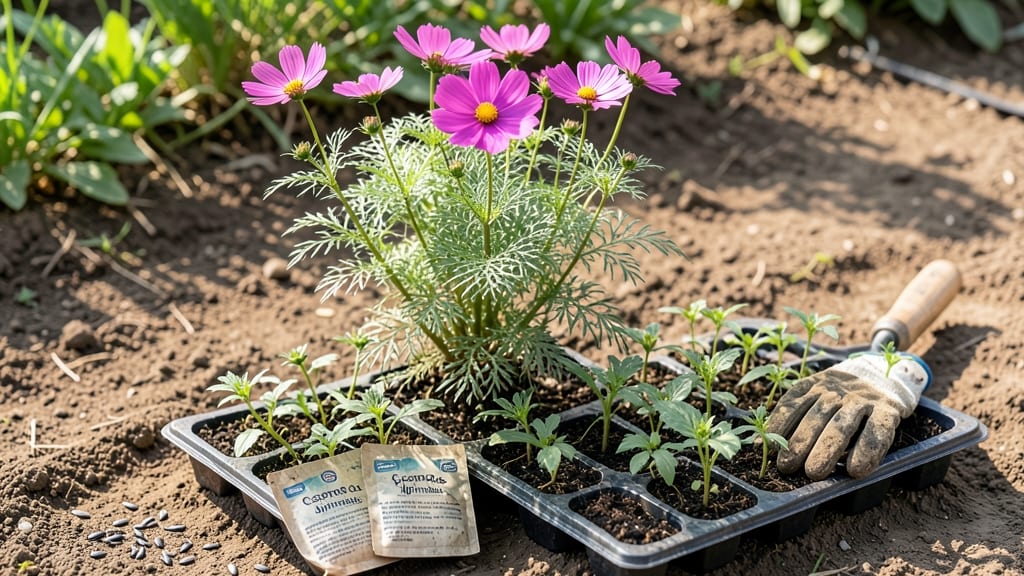
Blooming cosmos from seed can happen in as little as 60 days—that’s faster than you think, especially with the right varieties and care.
If you're eager to add vibrant splashes of color to your garden but impatient to wait months for blooms, cosmos seeds might be your perfect solution—some varieties burst into flowers in just 60 days from planting!
This cheerful annual thrives in zone 6a and beyond, making it ideal for spring planting in April or May when soil warms up. The key to speeding up those bright blooms lies in proper spacing, sunlight, and consistent watering—no fancy fertilizers required.
Below, I’ll break down the fastest-growing cosmos varieties, how to avoid common delays, and the simple tricks that turn 60-day seeds into a summer-long floral show.
Cosmos bloom timeline: fastest varieties and growth stages explained
If you're wondering how long for cosmos to bloom from seed, the answer depends on the variety and growing conditions. Most cosmos seeds sprout within 5-14 days after planting, but the real excitement comes when those delicate blooms appear.
The fastest varieties, like 'Bright Lights' and 'Sensation Mix', can reward you with vibrant flowers in as little as 60-75 days from seed to bloom. That's why cosmos are a favorite for gardeners eager to see quick results!
Understanding the growth stages helps you set realistic expectations. From seed to sprout, you'll see tiny leaves emerge within 2-3 weeks. Then comes the vegetative stage, where the plant focuses on building strong stems and foliage.
This phase typically lasts 3-4 weeks before flowering begins. The key to faster blooms lies in providing the right conditions during these early stages.
Here’s a quick breakdown of what to expect at each stage, along with the fastest cosmos varieties that hit their bloom timeline goals:
| Stage | Timeframe | Fastest Varieties | Key Conditions |
|---|---|---|---|
| Germination | 5-14 days | All varieties | Warm soil (60°F+), consistent moisture |
| Seedling Growth | 2-3 weeks | 'Sensation Mix' | Full sun, well-draining soil |
| Vegetative Stage | 3-4 weeks | 'Bright Lights' | 6+ hours sunlight, moderate water |
| Flowering Begins | 60-75 days | 'Dwarf Cosmos' | Deadhead spent blooms, balanced fertilizer |
| Peak Bloom | 75-90 days | 'Seashells' | Full sun, minimal interference |
Sunlight is the most critical factor in speeding up the bloom timeline. Cosmos thrive in full sun (6+ hours daily), which accelerates their growth and ensures robust flowering.
If your garden receives less sunlight, consider placing cosmos in the sunniest spot available, even if it means moving them as they grow. A south-facing location is ideal for maximizing light exposure.
Soil quality also plays a surprising role in how quickly cosmos bloom. While they're not picky, well-draining, fertile soil helps roots establish faster, leading to earlier flowering. Amend heavy or clay soils with compost to improve drainage and nutrient availability.
Avoid over-fertilizing, as cosmos prefer lean conditions—too many nutrients can delay blooming while the plant focuses on foliage growth instead.
Spacing is another often-overlooked factor that impacts bloom speed. Crowded cosmos compete for resources, which can slow down their growth. Space seeds 12-18 inches apart for dwarf varieties and up to 24 inches apart for taller types like 'Seashells'.
Proper spacing ensures each plant gets enough air circulation and sunlight, which directly translates to faster and more abundant blooms.
Watering habits can make or break your bloom timeline. Cosmos are drought-tolerant once established, but consistent moisture during the early stages is crucial. Water deeply 1-2 times per week, ensuring the soil stays evenly moist but not soggy.
Overwatering can lead to root rot, while underwatering stresses the plant and delays flowering. Mulching around the base helps retain moisture and keeps roots cool.
Some gardeners wonder if cosmos self-seed faster in subsequent years. While self-seeding can create a natural carpet of cosmos, it doesn’t necessarily speed up the bloom timeline for individual plants. In fact, self-sown cosmos may take slightly longer to flower because they often germinate in less ideal conditions.
If you want the fastest blooms, stick to direct seeding or transplanting young plants rather than relying on self-seeding.
For the most dramatic results, choose fastest-growing cosmos varieties like 'Bright Lights' or 'Sensation Mix'. These varieties are bred for quick germination and early flowering, making them perfect for gardeners eager to see color fast.
Pair them with proper care, and you’ll enjoy a garden bursting with cosmos blooms in just 60-75 days—far faster than many other annual flowers!
🌼
How to speed up cosmos flowering: pro tips for faster blooms
Want your cosmos to bloom faster than the typical 60–90 days? The secret lies in creating the perfect growing conditions from day one. Cosmos are low-maintenance, but a few strategic tweaks can shave weeks off their flowering timeline.
I’ve tested these methods in my garden, and they work—even for impatient gardeners like me!
First, let’s address the biggest misconception: cosmos don’t need rich soil to thrive. In fact, over-fertilizing can delay blooms by encouraging too much foliage. Instead, focus on well-draining soil with a neutral pH (6.0–7.0).
Amend heavy clay with compost or sand to prevent waterlogging, which stunts growth. A light hand with fertilizer pays off in faster, more abundant flowers.
Don’t overlook the power of companion plants to boost cosmos growth. Pair them with basil, marigolds, or nasturtiums, which repel pests and improve soil health.
I’ve noticed my cosmos bloom 10–15 days faster when planted near these companions. Just avoid planting near tomatoes or peppers, which can compete for nutrients.
For the fastest results, choose dwarf varieties like 'Sensation Mix', which mature in just 55–60 days. These compact plants also handle containers well, making them perfect for balconies or small gardens. If you’re starting indoors, sow seeds 4–6 weeks before transplanting to give them a head start.
With these tips, you’ll see your cosmos bursting into color in as little as 6 weeks—not months! The key is consistency: sun, spacing, and smart watering. Once you master these, your garden will be a nonstop floral show all summer long. Happy gardening! 🌼