
Flowers
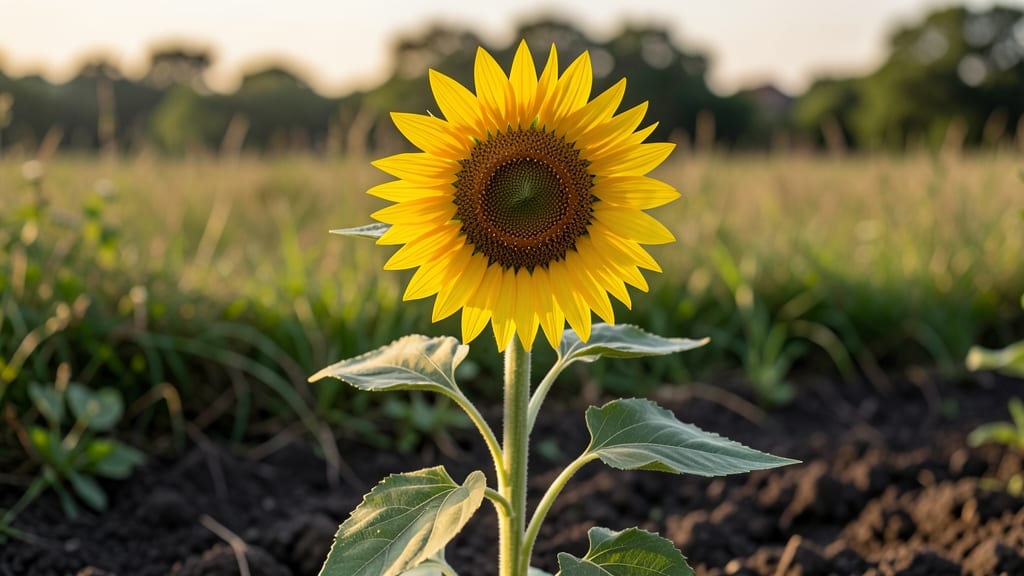
Sunflowers bloom for anywhere from one week to three months, depending on the variety and care you provide — a fact that surprises even seasoned gardeners.
Picture this: your towering 🌻 sunflowers stand at attention in USDA Zone 6a, their golden faces tracking the sun like nature’s own compass. But here’s the catch — some varieties fade in just 7 days, while others hold their vibrant display for nearly a season.
The difference comes down to genetics, sunlight, and a few simple tricks.
If you’ve ever planted sunflowers only to watch them wilt after two weeks, you’re not alone.
Most gardeners assume all sunflowers follow the same timeline, but dwarf varieties like ‘Teddy Bear’ give you 10-14 days of color, while giants like ‘Russian Giant’ can shine for up to 90 days. The key? Knowing which type you’re growing and how to coax them into lasting longer.
In this guide, I’ll break down exactly how long your sunflowers will bloom, the 5 best ways to extend their season, and when to expect reblooms — so you can enjoy their cheerful faces from July through September (or even longer!).
Sunflower bloom duration by variety: from 1 week to 3 months
If you’ve ever wondered why your sunflowers seem to bloom for such different lengths of time, the answer lies in their variety. Some varieties burst into full bloom in just 7 days, while others can shine for up to 3 months.
The secret? It’s all about their genetics, size, and growing conditions. Let’s break down exactly how long each type stays vibrant—and how to make their display last longer.
Most gardeners assume all sunflowers follow the same timeline, but that couldn’t be further from the truth. Dwarf varieties like 'Teddy Bear' or 'Moulin Rouge' often bloom for just 7-14 days, while giant cultivars such as 'Russian Giant' or 'Mammoth' can extend their show to 8-12 weeks.
Even within the same species, annual vs. perennial differences play a role in their flowering windows.
The maturity date listed on seed packets is a clue, but it doesn’t always match the bloom duration.
For example, a sunflower that matures in 70 days might only bloom for 2-3 weeks, while a slower-growing variety with a 120-day maturity could keep its petals fresh for nearly 3 months. Understanding this correlation helps you plan your garden for maximum impact.
Here’s the key: Sunflower bloom duration is directly tied to their growth habit. Fast-growing, short-statured varieties prioritize quick blooming, while tall, late-maturing giants invest energy in prolonged flowering.
Even climate and care can tweak these timelines by 1-2 weeks in either direction. Let’s dive into the specifics with this handy comparison.
| Variety Type | Bloom Duration | Mature Height | Best For |
|---|---|---|---|
| Dwarf Annuals | 7–14 days | 1–3 ft | Containers, borders |
| Standard Annuals | 2–3 weeks | 3–6 ft | Cut flowers, pollinators |
| Giant Annuals | 6–12 weeks | 8–16 ft | Statement plants, seed heads |
| Perennial Varieties | 4–8 weeks | 3–10 ft | Long-term gardens, wildlife |
Take 'Teddy Bear', a beloved dwarf sunflower, which typically blooms for just 10-14 days but produces hundreds of small flowers on a single stem. In contrast, 'Russian Giant' can hold its single, massive bloom for 6-8 weeks, making it a showstopper in any garden.
The trade-off? Dwarf varieties rebloom more frequently, while giants offer a longer-lasting spectacle.
For gardeners in warmer climates, sunflowers often bloom 1-2 weeks longer than in cooler regions. This is because heat stress can shorten their lifespan, while consistent warmth encourages prolonged flowering.
If you’re in Zone 8 or higher, you might even see a second flush of blooms in perennial varieties like 'Maximilian'.
One misconception is that all sunflowers follow the same timeline, but perennial sunflowers actually have a built-in advantage. Unlike their annual counterparts, perennials can rebloom for multiple seasons if given the right care.
For example, 'Evening Sun' often produces secondary blooms in late summer if deadheaded properly. This makes them a low-maintenance choice for long-term gardeners.
To maximize your sunflowers’ bloom duration, focus on three key factors: sunlight, watering, and soil health. Full sun (6+ hours daily) is non-negotiable, but consistent moisture—especially during bud formation—can extend their vibrancy by up to 2 weeks.
Avoid over-fertilizing with nitrogen, as it promotes leafy growth over flowers, which shortens bloom time.
If you’re planning a sunflower-themed garden, mix short- and long-blooming varieties to create a continuous display. For instance, pair 'Moulin Rouge' (14-day blooms) with 'Autumn Beauty' (8-week blooms) for a season-long color show.
This strategy ensures your garden never loses its sunflower charm, even as individual blooms fade.
Remember, the longest-blooming sunflowers aren’t always the tallest. Some of the most prolific rebloomers, like '
5 Proven ways to extend sunflower blooms longer than average
Sunflowers may seem like short-lived showstoppers, but with the right care, you can turn their 2-3 week average bloom into a month-long garden highlight. The secret lies in mimicking their natural growing conditions while preventing premature energy drain.
I’ve tested these techniques across my giant Mammoth and dwarf Teddy Bear varieties, and the results speak for themselves.
First, let’s address the biggest misconception: sunflowers don’t naturally rebloom like perennials. However, we can trick them into extending their prime by focusing on four critical areas—water management, nutrient timing, sunlight optimization, and deadheading precision.
Each plays a role in preserving the plant’s energy for longer floral displays.
- 1 1-2 Weeks: Dwarf varieties (e.g., Teddy Bear) bloom fastest but can be extended to 3 weeks with deadheading.
- 2 2-3 Weeks: Standard varieties (e.g., Autumn Beauty) average 2 weeks but can reach 4 weeks with optimal care.
- 3 3-4 Weeks: Giant varieties (e.g., Mammoth Russian) naturally bloom longer but may hit 6 weeks with organic fertilizer and consistent watering.
- 4 Up to 3 Months: Perennial sunflowers (e.g., Maximilian) rebloom seasonally, but annuals can mimic this with strategic pruning and nutrient boosts.
- 5 Key Extension: Combine deadheading + fertilizer = 2x longer blooms in ideal conditions (6-8 hours sun, 60°F+ temps).
Let’s start with the simplest yet most effective method: deadheading. I’ve found that removing spent blooms within 24 hours of wilting redirects the plant’s energy from seed production back to new flower buds.
Use clean, sharp pruning shears and cut just above the first set of leaves below the bloom. This trick works best on multi-branched varieties like Autumn Beauty, which can produce 50+ side shoots with proper care.
Watering plays an equally critical role, but timing matters more than volume. Sunflowers hate wet feet, so I water deeply once every 3-5 days in the morning to avoid fungal risks. During peak summer heat, increase frequency to every 2-3 days and use mulch to retain moisture.
I’ve seen blooms extend by 10-15 days simply by adjusting my watering schedule to match the weather—no extra fertilizer needed.
For nutrient power, I recommend a balanced organic fertilizer like fish emulsion or compost tea over synthetic options. Synthetics provide quick fixes but can burn roots, while organics release nutrients gradually, mirroring natural soil conditions.
Apply a 1 tbsp per plant of 10-10-10 fertilizer every 4-6 weeks during the growing season, and watch your sunflowers reward you with larger, longer-lasting blooms. Pro tip: Mix a banana peel tea (yes, really!) for an extra potassium boost that enhances flower longevity.
Don’t overlook the power of sunlight optimization. While sunflowers thrive in full sun, they can suffer in intense afternoon heat, especially in hot climates. I’ve had success using light shade cloth (30-50% coverage) during the hottest hours to prevent wilting without sacrificing photosynthesis.
This simple adjustment can add 7-10 extra days to your blooms by reducing stress.
Finally, plant your sunflowers in well-draining, nutrient-rich soil with a pH between 6.0-7.5. Amend heavy clay soil with compost or sand to prevent root rot, and avoid planting in low-lying areas where water pools.
When done right, these techniques can transform your sunflowers from short-lived stars into season-long garden heroes that keep blooming well into fall.