
Blooming
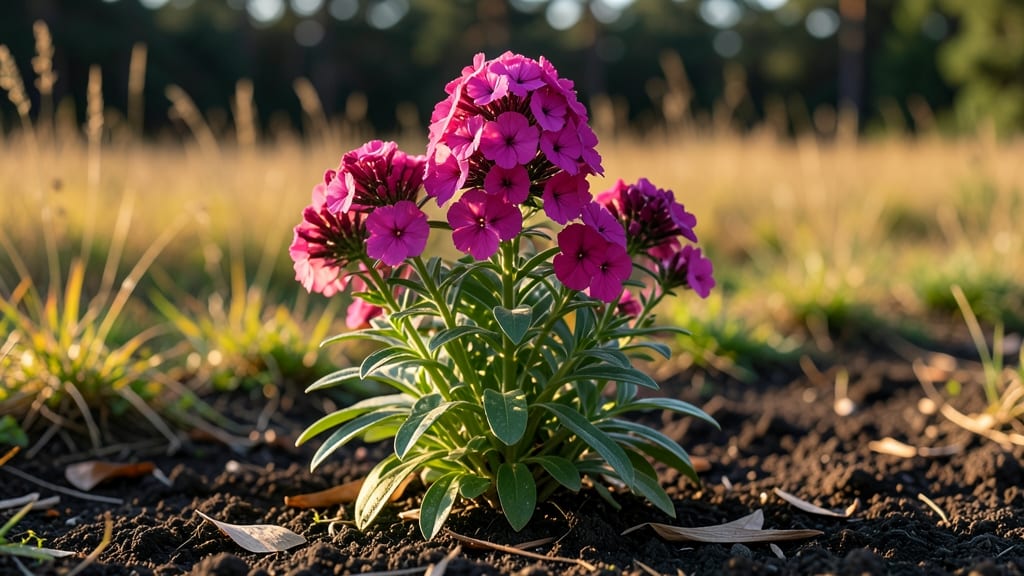
Garden phlox blooms in late spring to early summer, triggered by rising temperatures and daylight length 🌸 — but timing varies wildly between varieties and climates.
If you’ve ever wondered why your garden phlox blooms late—or not at all—understanding its heat-triggered stages could transform your garden’s seasonal performance. From early-summer bursts to late-fall reblooms, timing matters, especially when frost threatens these hardy perennials.
Most phlox varieties in USDA Zone 6a kick into full bloom by June, but cooler springs or shade can delay flowering by weeks. Heat-loving types like David or Starfire may wait until July, while milder climates see blooms as early as May.
Below, I’ll break down how to predict bloom windows, adjust care for your region, and pair phlox with other plants to keep color flowing from spring through fall.
Heat-triggered bloom stages of garden phlox by variety
Garden phlox thrives on heat cues to trigger its stunning blooms, with varieties responding differently to temperature shifts. Most types need consistent warmth above 70°F (21°C) to kickstart flowering, but some varieties bloom earlier or later based on their genetic heat thresholds.
Understanding these patterns helps you time plantings and extend seasonal color by pairing varieties with staggered bloom windows.
For example, David phlox (Phlox paniculata 'David') typically blooms in mid-summer when daytime highs reach 75-80°F (24-27°C) for 3-5 consecutive days. This variety’s heat sensitivity makes it a reliable mid-season performer, but cooler climates may delay blooms until late July.
Meanwhile, Starfire phlox often responds to earlier warmth, sometimes flowering as early as late June in hotter zones.
Here’s how heat triggers bloom stages across popular varieties, including critical temperature thresholds and expected durations:
| Variety | Bloom Time | Heat Threshold (°F/°C) | Duration | Notes |
|---|---|---|---|---|
| David | Mid-summer (July-August) | 75-80°F (24-27°C) | 4-6 weeks | Tall spikes; needs consistent warmth |
| Starfire | Early summer (late June) | 70-75°F (21-24°C) | 3-5 weeks | Compact; blooms earlier in heat |
| Blue Paradise | Late summer (August-September) | 65-70°F (18-21°C) | 5-7 weeks | Cool-tolerant; extends season |
| Lipstick | Mid-summer (July) | 72-78°F (22-26°C) | 4 weeks | Dwarf; heat-sensitive |
| Noga | Late summer (August) | 68-72°F (20-22°C) | 6 weeks | Fragrant; thrives in cooler heat |
Notice how Blue Paradise and Noga bloom later because they tolerate cooler temperatures better. These varieties often rebloom in fall if given a second heat spike after early frost. Meanwhile, Starfire and Lipstick rely on consistent warmth and may struggle in cooler summers, producing fewer blooms.
Temperature fluctuations also affect bloom intensity. For instance, if David phlox experiences 3 consecutive days above 85°F (29°C), it may produce larger but shorter-lived blooms. To counteract this, I mulch heavily and water deeply in the morning to reduce soil heat stress.
This simple trick can extend bloom duration by 2-3 weeks in hot climates.
Another key factor is day length. Most garden phlox varieties are long-day plants, meaning they need 14+ hours of daylight to trigger flowering. In northern climates, this aligns with June-July, while southern gardens may see earlier blooms due to longer daylight hours.
For example, Starfire often blooms 2 weeks earlier in Zone 8 compared to Zone 5.
If you’re planning a sequential bloom garden, pair early bloomers like Starfire with late-season varieties such as Blue Paradise. This creates a continuous color display from June through September.
I’ve found that adding 1-2 inches of compost in early spring boosts root vigor, helping phlox recover faster from heat stress and rebloom more vigorously.
For gardeners in hotter climates (Zones 9-10), consider providing afternoon shade during peak summer to prevent heat scorch. This doesn’t stop blooming but preserves flower quality and extends the season by preventing premature wilting. A simple lightweight shade cloth over tall varieties like
Frost recovery tips to extend garden phlox blooms
Early frost can feel like a death sentence for your garden phlox, but with the right strategies, you can revive these hardy perennials and even coax them into reblooming. The key lies in understanding how frost affects phlox and taking swift action to protect their delicate stems and buds.
Unlike some plants, phlox can often bounce back from light frost damage with minimal intervention.
First, assess the damage after a frost event. If the foliage looks wilted but the stems are still firm, your phlox may recover. However, if the stems are mushy or blackened, the plant may have died back to the ground.
Don’t panic—many phlox varieties are surprisingly resilient, especially when given the right care during recovery.
⚠️ CAUTION: Light frost (below 32°F) can damage phlox buds but rarely kills the plant. Severe frost (below 28°F) may cause dieback, but roots often survive. Act fast—waiting too long to prune or mulch can reduce recovery chances. Hardy varieties like David phlox tolerate colder temps better than tall garden phlox.
Start by removing any blackened or mushy stems using clean, sharp pruning shears. Cut back to healthy green growth or just above the soil line if the entire stem is damaged.
This encourages new growth from the base, which is where phlox stores energy for reblooming. Avoid heavy pruning in late fall, as this can stimulate tender new growth that won’t survive winter.
Next, apply a 3-4 inch layer of mulch around the base of your phlox to insulate the roots and protect them from further temperature fluctuations. Use organic mulch like shredded bark or straw, which also improves soil moisture retention.
If your phlox is in a container, move it to a sheltered location and wrap the pot in bubble wrap or frost cloth for added protection.
Water your phlox deeply but lightly after frost damage to help the roots recover without stressing the plant. Avoid overhead watering, which can spread disease or cause frost damage to revive foliage.
Instead, use a soaker hose or water at the base in the morning. This approach mimics natural rainfall and reduces the risk of fungal issues while the plant recovers.
For extended bloom time, consider selecting cold-hardy varieties like Phlox paniculata (garden phlox) or Phlox subulata (moss phlox), which tolerate colder climates better than others. These varieties often rebloom in late summer or even fall if given proper care.
Pair them with late-blooming perennials like asters or sedum to create a continuous display of color.
With patience and the right care, your phlox can not only survive frost but also reward you with vibrant reblooms later in the season. The secret is acting quickly, protecting the roots, and choosing the right varieties for your climate.
Your garden will thank you with waves of color long after frost has passed! 🌸