
Flowers
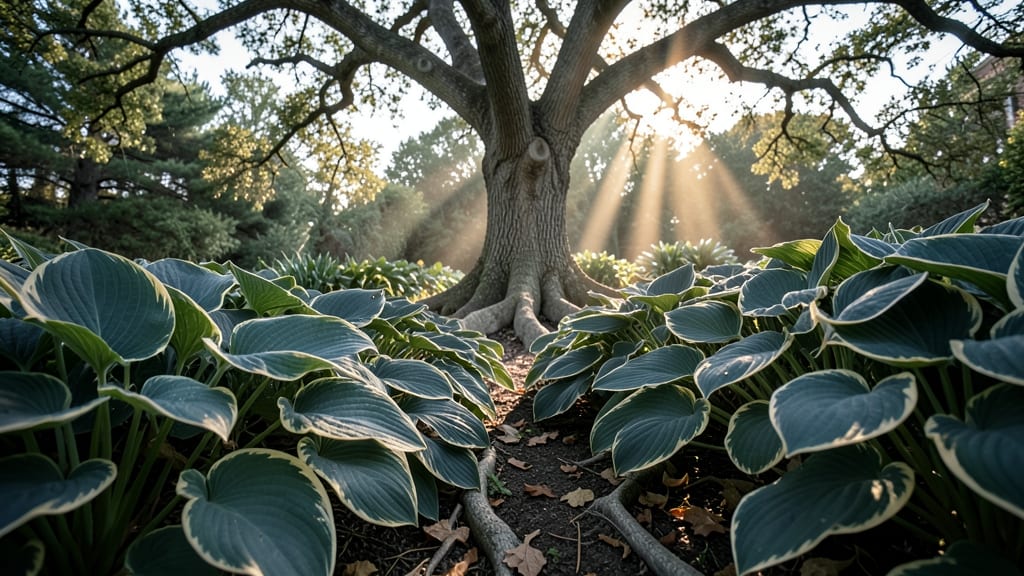
Spring brings vibrant color to gardens, but not all flowers return each year. These 10 perennial spring bloomers thrive through seasons, offering low-maintenance beauty and reliable reblooming—perfect for effortless curb appeal and pollinator support.
Bleeding Heart Flower for Shady Gardens
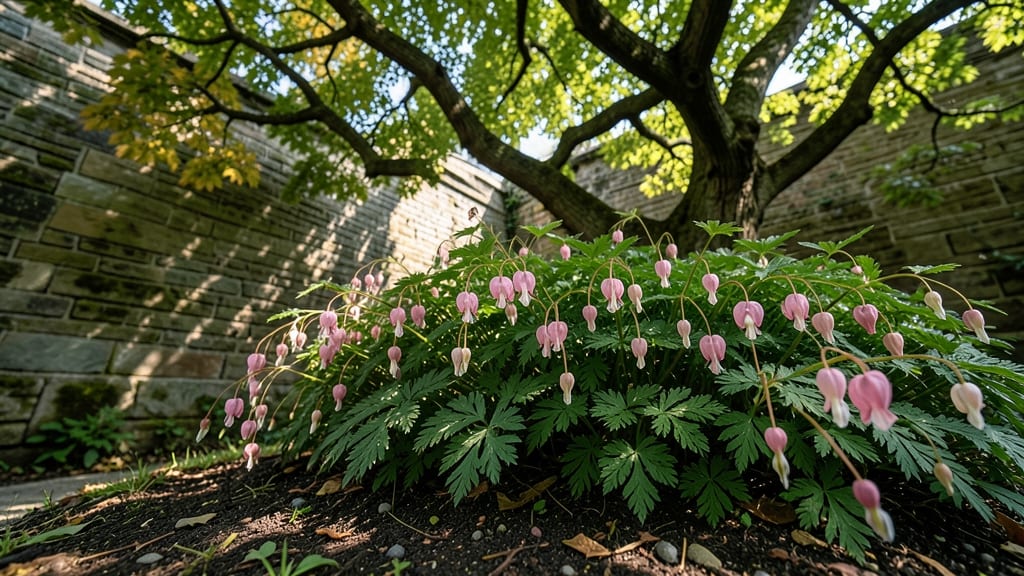
If your garden has spots where sunlight barely reaches—like under trees or along north-facing walls—bleeding heart (Dicentra spectabilis) is your secret weapon. This shade-loving perennial produces cascading heart-shaped blooms in soft pink or white, creating a romantic focal point where most flowers refuse to grow.
Plant bleeding heart bulbs in early fall for spring blooms that last 4-6 weeks, thriving in partial to full shade with moist, well-draining soil. Its fern-like foliage adds texture year-round, and it spreads gently to form lush clumps over time. For best results, pair it with hostas or ferns to create a lush woodland understory.
Perfect for beginner gardeners and urban spaces with limited sun, bleeding heart brings effortless elegance to shady corners. 🌷
Peony Bush with Fragrant Blooms
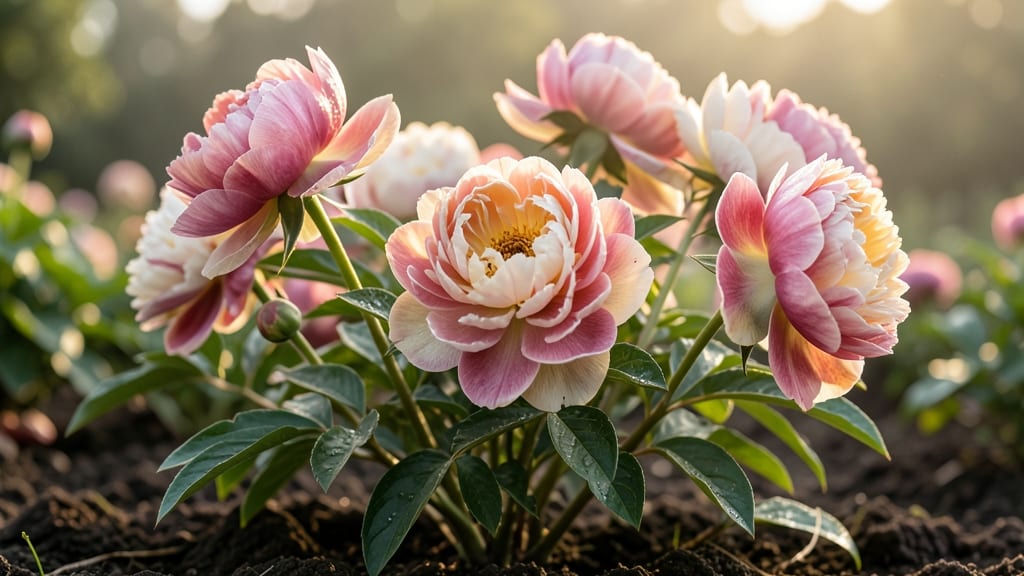
If you crave romantic, fragrant blooms that last for decades with minimal fuss, peonies (Paeonia lactiflora) are your dream perennial. Unlike many spring flowers that fade after a few years, peonies reward patience with lush, velvety blossoms that return stronger each season.
Plant them in full sun to partial shade with well-draining soil, and they’ll thrive for 20+ years with only occasional division to keep clumps healthy. The intoxicating scent and long-lasting cut flowers make them a top pick for cottage gardens or bouquets—just stake the heavy blooms to prevent flopping. Deadhead spent flowers to encourage more blooms.
Perfect for gardeners who want low-maintenance elegance and long-term beauty, peonies are the ultimate statement plant for sunny borders or as a focal point near patios. 🌻
Daffodil Bulbs for Early Sunshine
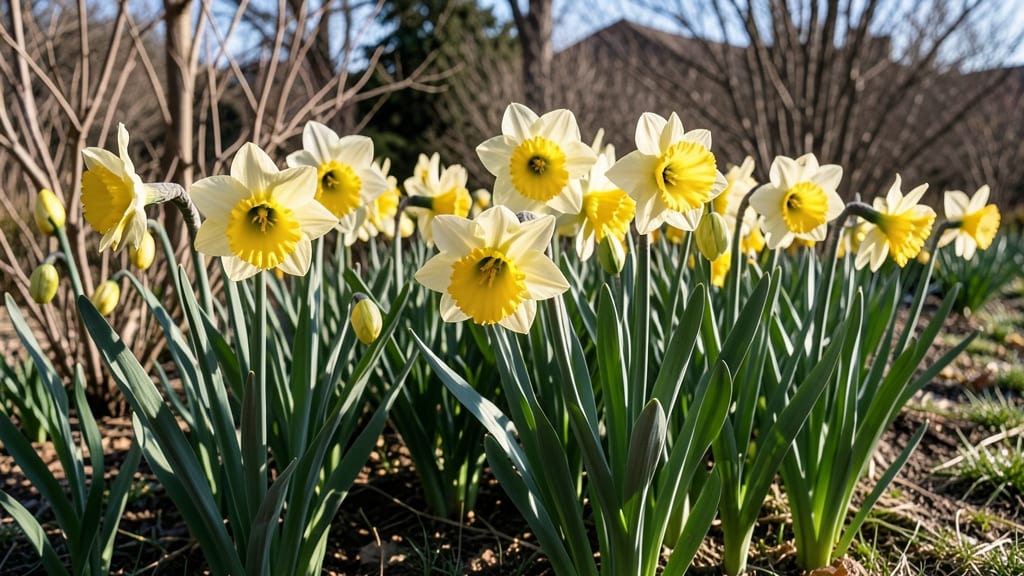
When you crave spring color before the heat arrives, daffodils (Narcissus) are the unsung heroes of early-season gardens. These cheerful blooms often appear in late winter or early spring, signaling that better weather is on the way—while also being one of the few flowers deer avoid munching.
Plant daffodil bulbs in fall (6-8 weeks before the ground freezes) in well-draining soil with 6 hours of sun daily. Their ability to naturalize means they’ll multiply over time, creating dense clumps that return year after year with minimal effort. Choose from classic yellows, soft whites, or bold oranges for a pop of color in sunny borders or woodland edges.
Perfect for beginners, these bulbs thrive in USDA zones 3-8 and even tolerate light frost. Their early blooms provide vital nectar for emerging pollinators, making them a win for both your garden and local ecosystems. 🌻
Lungwort for Moisture-Loving Gardens
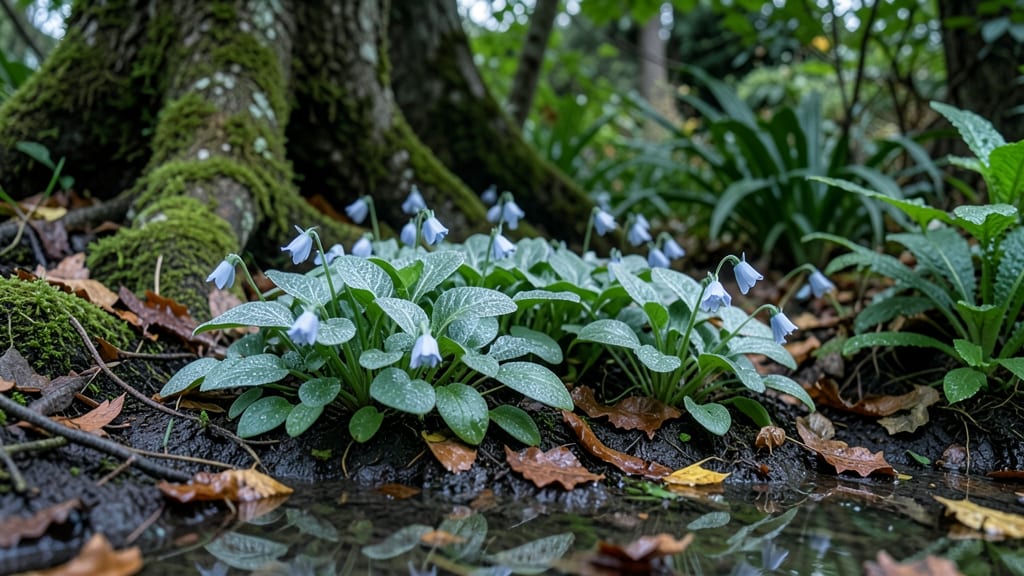
If your garden has areas that stay damp—whether it's a rain garden, a shady spot under trees, or a low-lying patch—lungwort (Pulmonaria) is your secret weapon. This underrated perennial delivers silver-spotted foliage that stays striking even when flowers fade, plus clusters of delicate blue blooms that appear in early spring.
Thriving in partial shade and moist (but not soggy) soil, lungwort tolerates conditions where many plants fail. Its unique foliage provides year-round interest, while its flowers attract early pollinators like bees. For best results, plant in well-draining soil and mulch lightly to retain moisture—ideal for gardeners who want low-maintenance beauty without sacrificing impact.
Perfect for beginners or busy gardeners, lungwort adds texture and color with minimal fuss. It’s the unsung hero of shady, damp corners that often get overlooked. 🌿
Foxglove Spikes for Cottage Gardens
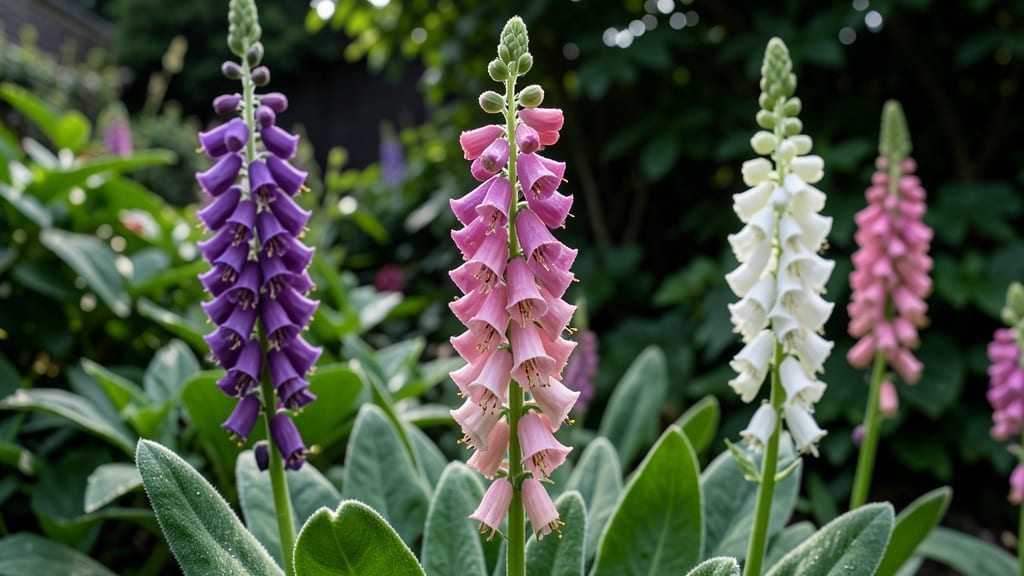
For a dramatic vertical accent that feels straight out of a storybook, foxglove (Digitalis purpurea) delivers towering spikes of bell-shaped blooms in shades of purple, pink, or white. This biennial (or short-lived perennial) thrives in partial shade to full sun and blooms reliably in spring, creating a magical cottage garden focal point.
Plant seeds or transplants in well-draining soil and water moderately—foxglove dislikes soggy roots. The toxic nature of foxglove (especially its leaves) means it’s best placed where children and pets can’t access it, but its pollinator appeal makes it a star for hummingbirds and bees. Deadhead spent blooms to encourage a second flush of flowers in late summer.
Ideal for gardeners who love whimsical charm and don’t mind a little maintenance, foxglove pairs beautifully with delphiniums or hollyhocks for a fairy-tale garden vibe. Just remember: its striking beauty comes with a warning! 💚
Columbine for Hummingbird Visitors
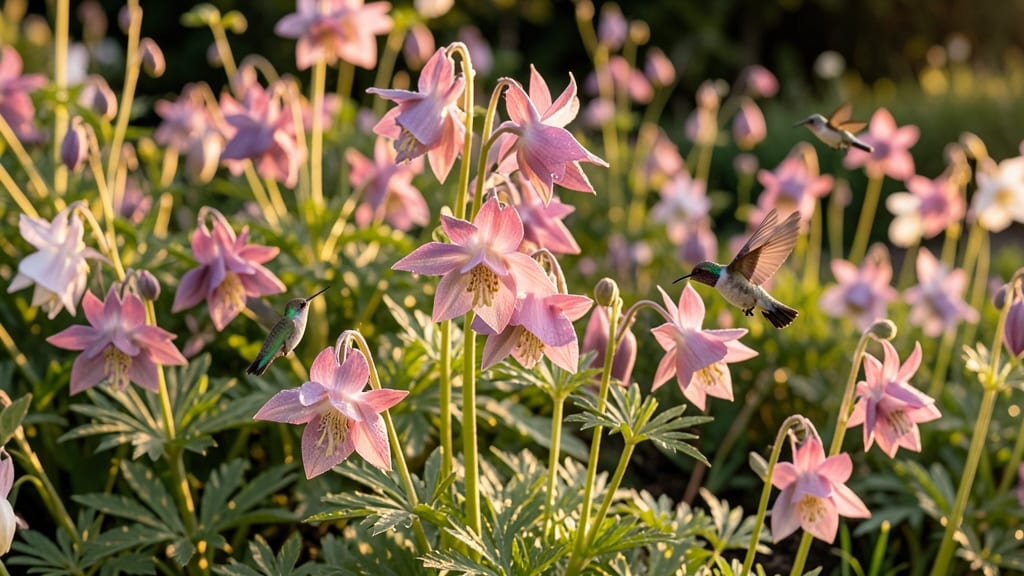
If you want to turn your garden into a hummingbird hotspot without heavy maintenance, columbine (Aquilegia) is your secret weapon. These delicate, nodding flowers in shades of pink, purple, and white don’t just look stunning—they’re irresistible to pollinators, including hummingbirds that will hover eagerly at their spurred blooms.
Columbine thrives in partial shade to full sun and self-seeds generously, creating naturalizing drifts over time. Plant seeds directly in well-draining soil in early spring or fall, and watch them spread effortlessly. Deadhead spent blooms to encourage more flowers, but leave some seed pods for next year’s volunteers. Their drought-tolerant nature makes them perfect for low-water gardens.
Ideal for cottage gardens, wildflower meadows, or woodland edges, columbine brings both beauty and wildlife value with minimal effort. It’s a top choice for gardeners who love pollinator-friendly perennials that multiply on their own. ✨
Bee Balm for Pollinator-Friendly Beds
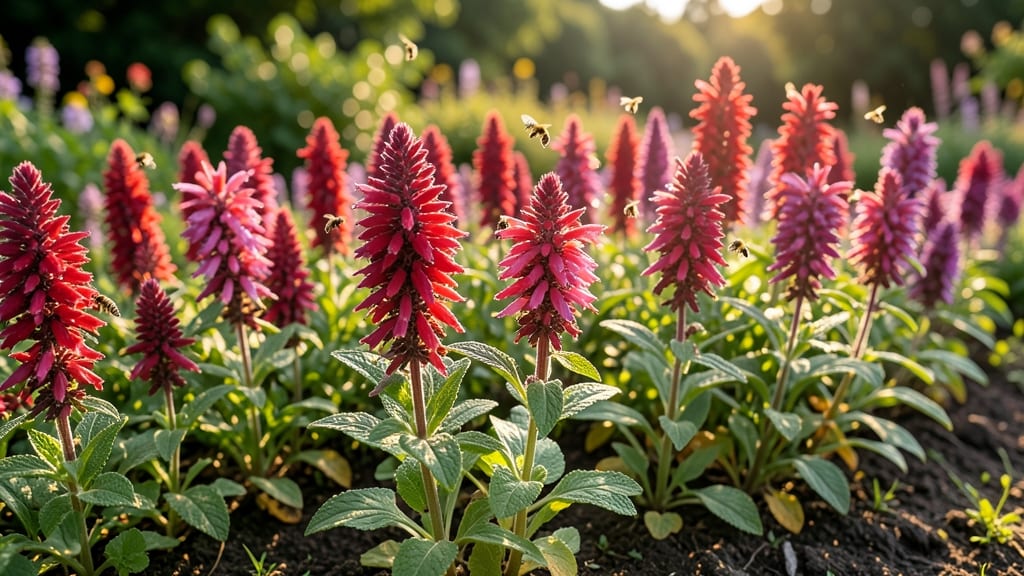
Want to turn your sunny perennial borders into a buzzing hub for bees and butterflies? Bee balm (Monarda) delivers bold red, pink, or purple blooms that pollinators can't resist, while its mint family roots keep it tough and invasive-resistant—no fuss, just flowers.
Plant in full sun to partial shade with well-draining soil, and you'll get summer-long blooms that attract hummingbirds too. Deadhead spent flowers to encourage reblooming, and pinch back stems in early spring to keep plants compact. Bonus: Its aromatic foliage deters pests naturally.
Perfect for beginner gardeners or pollinator advocates, bee balm adds vibrant color while supporting local ecosystems—no other plant works this hard for your garden and the bees. 💚
Allium Spheres for Dramatic Height
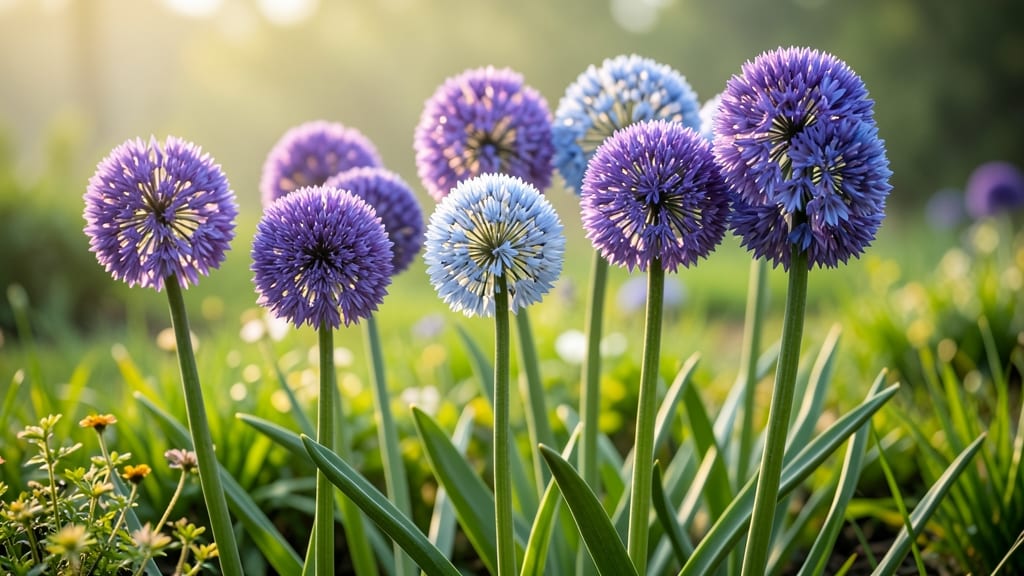
Looking to add dramatic height to your spring garden without the fuss of tall, floppy stems? Alliums deliver globe-shaped blooms in stunning purples, blues, and whites—like nature’s own chandeliers—that stay upright all season long. Their spherical flowers not only create visual impact but also act as natural pest deterrents, keeping aphids and other garden nuisances at bay.
Plant allium bulbs in fall (or early spring) in well-draining soil with full sun for best results. Varieties like Allium giganteum or Allium schubertii reach 3-5 feet tall, making them perfect for cutting gardens or as striking backdrop plants. They’re also drought-tolerant once established, so they thrive in sunny, dry spots where other flowers might struggle.
Ideal for urban gardeners with limited space or anyone who loves low-maintenance perennials, alliums bring both beauty and function to your garden with minimal effort. 💚
Black-Eyed Susan for Late Summer Color
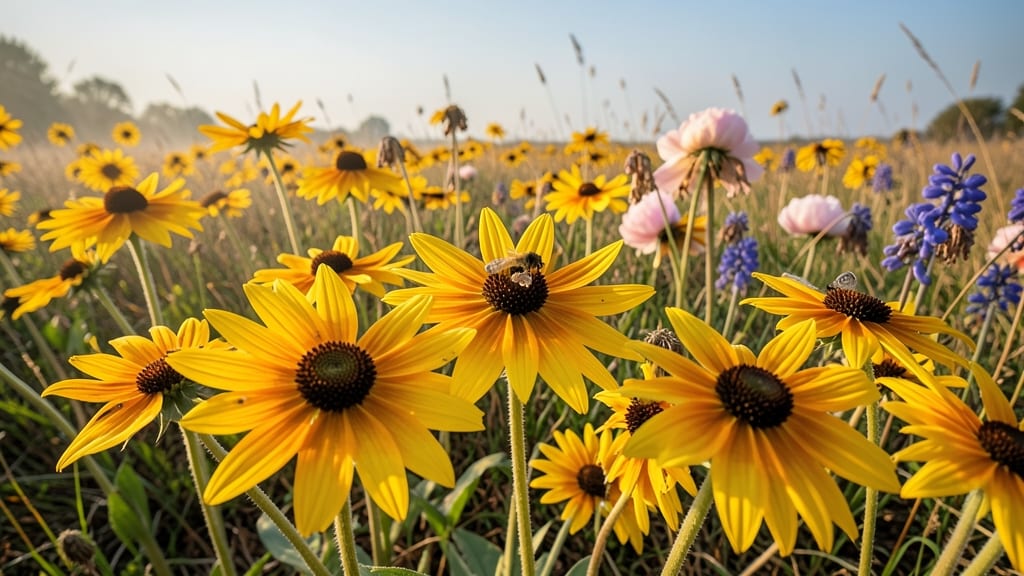
When spring’s vibrant blooms start to fade and summer heat arrives, Black-Eyed Susan (Rudbeckia) steps in as your garden’s cheerful bridge to fall. These bright yellow daisies burst into bloom from mid-summer through October, turning tired beds into sunny meadows that hum with butterflies and bees.
Thriving in full sun to partial shade, Black-Eyed Susan tolerates poor soil and drought once established—making it perfect for wildflower gardens, meadows, or even urban spaces with minimal maintenance. Deadhead spent blooms to encourage more flowers, and let some seed heads stand for winter interest. Varieties like 'Goldsturm' or 'Indian Summer' offer extra-long blooming seasons.
Ideal for pollinator gardens, this hardy perennial attracts monarchs and other butterflies while requiring almost no care. Perfect for beginners or busy gardeners, it’s the ultimate low-fuss plant for extending summer color. 🌻
Hostas for Low-Light Leafy Beauty

If your garden has patches where sunlight is scarce—like under mature trees or along shady fences—hostas are the unsung heroes you’ve been missing. These hardy perennials deliver bold, textured foliage in shades of blue, green, or variegated patterns, creating a lush understory where most flowers would struggle to survive.
Hostas thrive in partial to full shade and prefer well-draining, moist soil. Their low-maintenance nature makes them perfect for busy gardeners, while their striking leaves add year-round interest—even when flowers fade. For best results, plant in spring or fall and mulch to retain moisture. Pair them with ferns or shade-loving flowers like bleeding heart for a cohesive woodland garden look.
Ideal for urban gardeners, beginners, or anyone with limited sun, hostas bring effortless elegance to shady spots. Their adaptability and striking foliage make them a must-have for any garden. 🌿