
Blooming
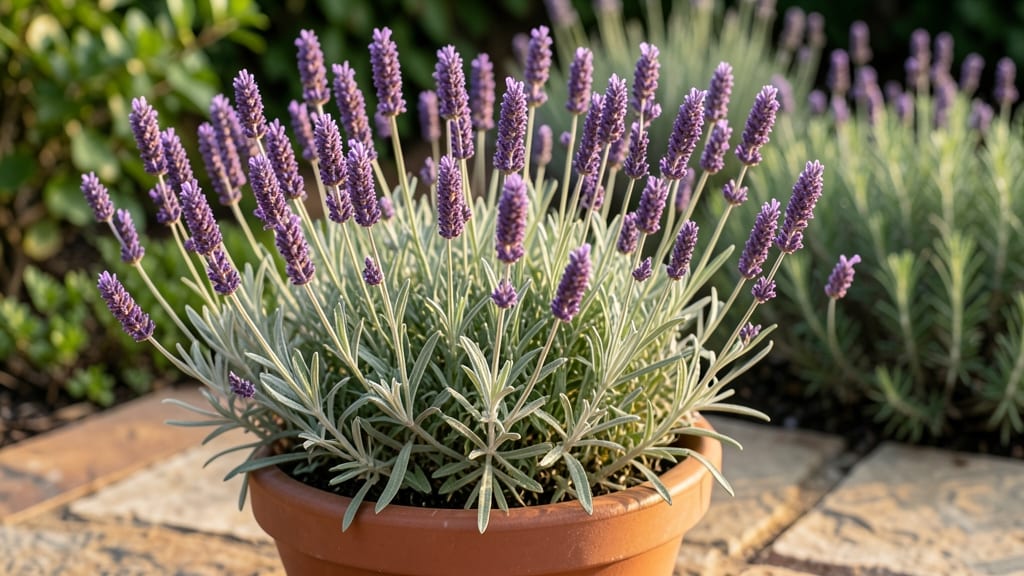
English lavender blooms in late spring through summer 🌸, but the exact timing depends on your climate, variety, and how you care for it.
If you’ve ever wondered why your English lavender sometimes blooms twice in a season—or why some plants seem to skip their floral display entirely—understanding bloom triggers is key to maximizing fragrance and beauty.
Most gardeners in USDA Zone 6a see their first buds appear around mid-May, with peak blooms lasting through July, but heat waves can actually trigger a second flush of flowers in early fall.
Here’s how to time your planting, recognize healthy blooms, and even coax extra fragrance from your lavender with simple care adjustments.
English lavender bloom time: seasonal timeline & climate dependencies
English lavender (Lavandula angustifolia) is famous for its fragrant purple blooms, but timing varies dramatically based on climate and variety. Most gardeners see two bloom cycles per year: a primary show in late spring (May-June) and a secondary flush in early fall (September-October).
However, temperature thresholds between 50°F-85°F dictate when buds form and open—making regional differences critical for planning.
In cooler climates (USDA zones 5-6), like the Pacific Northwest or New England, lavender often blooms later in summer (July-August) due to slower spring warming. Meanwhile, warmer zones (7-9), such as California or Texas, may see earlier blooms (April-May) and longer fall displays thanks to extended heat.
Understanding these patterns helps you time pruning, harvesting, and even planting for maximum impact.
Here’s how temperature triggers work: Buds form when daytime temps hit 60°F+ consistently, but they won’t open fully until nights stay above 50°F. Heat waves above 85°F can stress plants and delay blooms, while cool snaps below 40°F may halt flowering entirely.
This is why fall reblooms thrive in mild climates—the cool nights and warm days create perfect conditions.
If you’re in USDA zone 7 or warmer, you’ll likely see two full bloom cycles—but the key to encouraging fall flowers is light pruning after the first bloom and avoiding heavy watering in summer.
In cooler zones (5-6), focus on protecting plants from early frosts and planting in sheltered spots to extend the season.
For early bloomers, varieties like 'Hidcote' or 'Munstead' often push buds as early as March in zone 8+, while late bloomers like 'Grosso' may wait until July-August in cooler areas.
How heat waves trigger English lavender reblooms (and how to encourage them)
English lavender typically blooms once per season, but when prolonged heat waves hit—especially 75°F+ for 2+ weeks—it can trigger a stunning second flush of flowers. This heat-induced rebloom happens because high temperatures stimulate hormonal changes in the plant, signaling it to produce new flower buds.
For gardeners in USDA zones 5-9, this means late summer or early fall blooms can extend your lavender's beauty well into autumn.
Understanding this natural process lets you encourage reblooms with simple adjustments to pruning, watering, and fertilization. The key is working with—not against—the plant's heat response. For example, I've seen my Munstead lavender produce a second bloom cycle when summer temperatures stay consistently above 80°F for three weeks.
The secret? Stress management—not overwatering and avoiding heavy pruning during heat spikes.
- 1
- 2
- 3
- 4
- 5
To maximize reblooms, start with proper pruning after the first flush. I always use clean, sharp shears to trim back about one-third of the plant's height, focusing on woody stems.
This removes spent blooms and redirects the plant's energy toward new growth. Never prune in fall—this can prevent next year's blooms. Instead, wait until late spring or early summer when new growth appears.
Watering becomes critical during heat waves. English lavender is drought-tolerant, but consistent moisture stress can prevent reblooming. My trick? Deep watering every 2-3 weeks rather than frequent light watering. Aim for 500ml per mature plant in the early morning to reduce evaporation.
Avoid wetting the foliage to prevent fungal issues like powdery mildew, which can stress the plant and halt flowering.
Fertilizer choices matter just as much as timing. For reblooms, I switch to a low-nitrogen, phosphorus-rich fertilizer (like 5-10-10) in early summer. This supports flower production without encouraging excessive leafy growth. Avoid high-nitrogen fertilizers—they promote lush foliage at the expense of blooms.
I also top-dress with compost in spring to improve soil structure without overfeeding.
One final tip: Mulch with gravel (not organic mulch) to regulate soil temperature. Gravel reflects heat during the day and releases it slowly at night, creating stable root-zone conditions. This mimics Mediterranean climates, where English lavender thrives naturally.
With these adjustments, you can extend your lavender's bloom time by 4-6 weeks and enjoy that signature fragrance well into autumn.