
Blooming
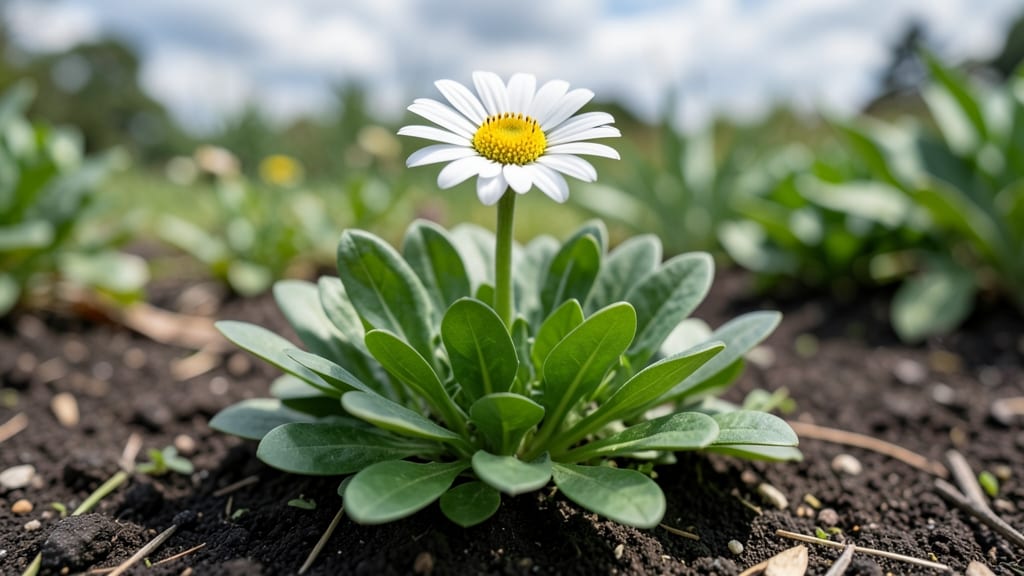
The English daisy bloom time varies dramatically depending on your climate zone, but most varieties burst into cheerful white, pink, or red blooms just 4-6 weeks after planting in spring.
Wondering why your 🌼 English daisies seem to vanish after their first flush? Timing these delicate flowers depends entirely on your climate zone, sunlight exposure, and seasonal triggers.
In USDA Zone 6a (like much of the Midwest), expect the first blooms as early as late March or early April, while cooler zones may see flowers push through snow in late April.
The key to extending their show lies in deadheading spent blooms and feeding them lightly in spring and fall.
Below, I’ll break down the exact bloom windows by zone, how to coax second flushes, and the one mistake that turns your daisies into a one-time spring spectacle.
English daisy bloom time by USDA climate zones: when to expect first flowers
English daisies (Bellis perennis) are cheerful perennial flowers that thrive in cool climates, but their bloom timing varies dramatically by USDA zone. In Zone 3, expect late May blooms, while Zone 10 daisies may flower as early as February.
These delicate blooms often appear in two flushes: spring and fall, with microclimates (like urban heat islands) shifting windows by weeks.
Your local frost dates are the best predictor—daisies typically bloom 4-6 weeks after the last frost in spring. In Zone 6a (like my garden in upstate New York), I see first flowers in early April, while Zone 8 gardeners often spot them by February.
Fall blooms usually arrive 6-8 weeks before the first frost, giving you a late-season show.
🌱
| USDA Zone | Spring Bloom Window | Fall Bloom Window | Microclimate Adjustments |
|---|---|---|---|
| 3-4 | Late May - June | September - October | Urban areas: 1-2 weeks earlier |
| 5-6 | Early April - May | August - September | Rural: 1 week later than cities |
| 7-8 | February - March | October - November | Coastal: 3-4 weeks earlier |
| 9-10 | January - February | December (light blooms) | Shade: Delay blooms by 2 weeks |
In Zone 5, where I first grew English daisies, the spring blooms arrive in late April if planted in full sun. But move them to partial shade, and you’ll delay flowers by 2-3 weeks.
The same rule applies in Zone 9—my friend in Los Angeles sees January blooms in sun but February in filtered light.
For urban gardens, heat islands can advance bloom times by 10-14 days. I’ve noticed this in Zone 6 cities like Chicago, where daisies often bloom by mid-April instead of late April. Rural areas, with cooler nights, may see blooms 1-2 weeks later due to slower soil warming.
🌿
If you’re in Zone 7 or warmer, English daisies may produce year-round blooms with minimal care. However, heat stress above 90°F can cause them to bolt or go dormant.
In Zone 10, I’ve seen daisies rebloom in December after summer rains, though flowers are smaller. Fall bloomers typically appear 6-8 weeks before frost, so Zone 4 gardeners should expect September flowers.
Pro tip: Deadhead spent blooms in Zone 5-8 to encourage reblooming. I’ve extended my Zone 6 daisies’ season by 3 weeks using this trick. In cooler zones (3-4), focus on spring blooms—fall flowers may not form if frost arrives early.
🌸
For container gardening, bloom times shift slightly due to soil temperature fluctuations. Pots in Zone 6 may bloom 1 week earlier than in-ground plants because roots warm faster.
Conversely, heavy clay soils in Zone 7 can delay blooms by 10 days—amend with compost to improve drainage and timing.
Remember: English daisies are hardy perennials, but their bloom reliability depends on consistent care. In Zone 3, I’ve had daisies skip blooming entirely in harsh winters, while Zone 9 plants often rebloom 3-4 times per year. Adjust your expectations—and your pruning schedule—based on your local climate!
How to extend English daisy rebloom cycles: pruning, deadheading & seasonal care
English daisies (Bellis perennis) often surprise gardeners with a single burst of blooms before fading—unless you take control. The secret to multiple rebloom cycles lies in consistent care, starting with deadheading and smart seasonal adjustments.
With the right techniques, your daisies can flower continuously from spring to fall, creating a nonstop display of cheerful petals.
Many gardeners assume English daisies are one-time bloomers, but perennials like these can rebloom 2-3 times per season with proper maintenance. The key steps include regular deadheading, strategic pruning, and seasonal soil fertility boosts. Let’s break down the exact methods to keep your daisies blooming all season long.
- 🌱 Deadhead daily after blooms fade to prevent seed formation and redirect energy to new buds.
- ✂️ Prune back 1/3 of foliage in early spring to encourage compact growth and more blooms.
- 💧 Water deeply 2-3 times per week during blooming season to avoid stress.
- 🌿 Fertilize lightly with 10-10-10 NPK every 4-6 weeks in spring and fall.
- 🌡️ Mulch heavily in winter to protect roots from freeze-thaw cycles.
Start with deadheading, the simplest yet most effective technique. As soon as a daisy bloom wilts, pinch off the spent flower head with your fingers or trim it with clean pruning shears.
This stops seed production, which otherwise diverts the plant’s energy away from new blooms. I deadhead my daisies every morning during peak bloom season, and it’s made a dramatic difference in their reblooming frequency.
Next, focus on seasonal pruning. In early spring, cut back up to one-third of the plant’s height to promote bushier growth. This also removes any weak or damaged stems that could harbor pests.
For fall reblooms, avoid heavy pruning—just remove spent blooms and yellowing leaves to keep the plant tidy without stressing it before winter.
Soil fertility plays a huge role in reblooming success. English daisies thrive in well-draining, slightly acidic soil with a pH of 6.0-7.0. Before the first spring blooms, work in 2-3 inches of compost or a balanced fertilizer (like 10-10-10) to provide essential nutrients.
Avoid over-fertilizing, though—too much nitrogen leads to lush foliage but fewer flowers. A light feeding every 4-6 weeks during the growing season keeps them blooming without burning.
For winter care, protect your perennials with a 3-inch layer of mulch (like straw or shredded leaves) after the first fall frost. This insulates roots and prevents heaving (when soil freezes and lifts plants).
In USDA zones 3-5, consider adding a lightweight row cover during extreme cold snaps to shield tender foliage. With this protection, your daisies will re-emerge stronger in spring, ready for another round of blooms.
By combining daily deadheading, seasonal pruning, and targeted fertility, you’ll transform your English daisies from one-time showstoppers into season-long stars. The effort is minimal, and the payoff—a garden bursting with color—is worth every pinch of dead blooms and scoop of compost. Happy gardening! 🌼