
Blooming
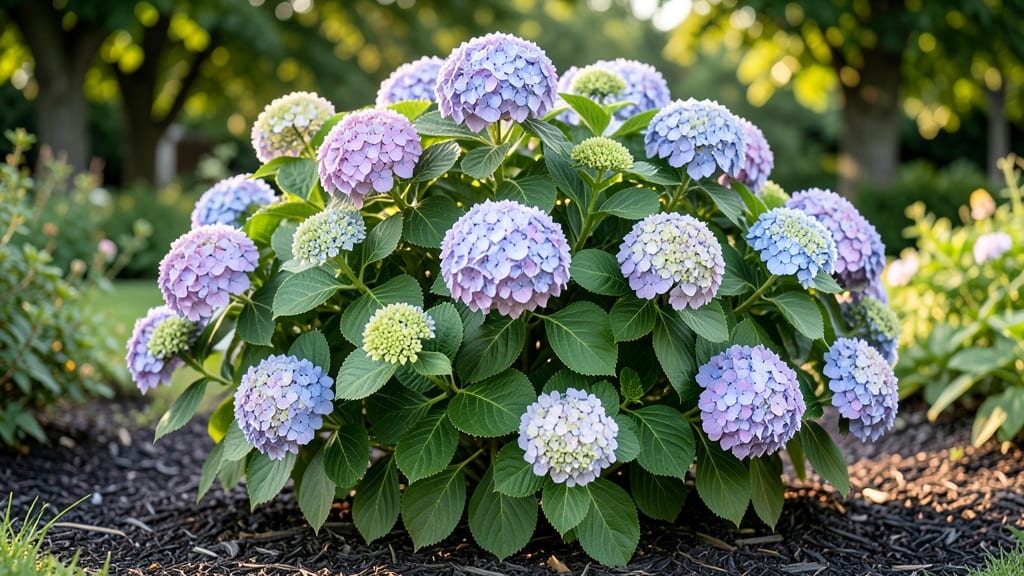
Your hydrangeas could bloom all summer long—no deadheading required. 🌸 The secret to endless bloom hydrangeas isn't just luck; it's knowing exactly when and how to prune. I've watched mine go from sparse spring blooms to lush, continuous color through September, and the trick is simpler than you'd think.
These hydrangeas thrive in partial shade and well-draining soil, but their real magic happens in late winter or early spring when you trim back old wood. Unlike traditional hydrangeas, you never cut back blooms—just shape the plant and remove dead stems.
The result? Nonstop color without the constant upkeep of deadheading every few weeks.
By mid-summer, your hydrangeas will be packed with blooms, and the best part? They keep producing new flowers on old wood, so you never sacrifice next year's blooms. The foliage stays vibrant, the stems stay strong, and your neighbors will wonder how you keep them looking so fresh all season.
Works in zones 3-9, whether you're growing them in garden beds, containers, or even as a striking hedge. Let's get those shears ready—your hydrangeas are about to become the showstopper of your yard.
📚 In This Guide
- What you need
- Instructions
- Tips and common mistakes
- Wrapping up and next steps
What you need
- ● Pruning shears or loppers: Sharp, clean, and disinfected (70% isopropyl alcohol works great). Choose bypass pruners for clean cuts.
- ● Gloves: Heavy-duty gardening gloves (protects from thorns and sap).
- ● Rubbing alcohol (70% or higher): 1 small bottle to sterilize tools between cuts.
- ○ Garden twine or plant ties: (Optional but helpful for supporting heavy blooms post-prune).
- ○ Pruning sealant (optional): For large cuts (½ inch or wider) to prevent disease entry.
- ● Know your hydrangea’s age: Endless Bloom varieties are hardy but thrive best when pruned at the right time (late winter/early spring for dormant plants).
- ● Weather check: Prune on a dry, calm day (avoid rain for 24 hours post-prune).
- ● Plant health: Ensure your hydrangea is free of pests/disease before pruning.
Step-by-Step pruning guide for Endless Bloom hydrangeas
Here’s how to keep your hydrangeas flowering all season without the fuss of deadheading.
✂️ Step 1: Identify Last Year’s Blooms and Dormant Buds
Start by examining your hydrangea in late winter or early spring before new growth begins. Endless Bloom varieties produce flowers on both old wood (last year’s growth) and new wood (current season’s growth). Look for swollen buds on stems—these are where next year’s blooms will form. The key is to cut back just above these buds to encourage robust flowering.
I always scan the plant from top to bottom, marking stems with at least 3-4 buds remaining. If a stem has no visible buds, it’s safe to prune it back to the base. This ensures you’re not accidentally removing next year’s blooms while shaping the plant.
✂️ Step 2: Prune for Shape and Airflow
Using clean, sharp pruners, begin shaping the plant by removing crossing, rubbing branches first—these compete for sunlight and nutrients. Next, thin out overcrowded stems to improve airflow, which prevents fungal diseases like powdery mildew. Aim to leave 3-5 strong, outward-facing stems per plant for optimal blooming.
Here’s the thing—Endless Bloom hydrangeas are forgiving, but never cut more than ⅓ of the plant at once. You’ll see new growth emerge within 2-3 weeks if you’ve pruned correctly. If stems bleed sap heavily, it’s a sign you cut into active growth—just wipe it away with a damp cloth.
☀️ Step 3: Deadhead Spending Blooms Mid-Season
Unlike traditional hydrangeas, Endless Bloom varieties don’t require deadheading to rebloom, but removing faded flowers in late summer keeps the plant looking tidy and encourages new flower clusters to form. Simply snip off spent blooms just above the first set of healthy leaves below the flower head.
I like to do this on a dry, sunny morning when the plant’s moisture levels are balanced—this reduces stress. Avoid heavy pruning after mid-August, as new growth won’t have time to harden off before winter. You’ll notice fresh buds forming within 3-4 weeks of deadheading.
⏰ Step 4: Late-Season Pruning for Winter Prep
In late fall, give your hydrangea a final trim to remove weak, damaged, or diseased stems. This is also the time to shape the plant lightly for next year’s growth. Cut back overly leggy stems by about ⅓ to encourage bushier growth. Avoid heavy pruning now—you want the plant to enter dormancy with energy reserves intact.
Mulch the base with 2-3 inches of organic mulch (like shredded bark) to protect roots from freezing temperatures. I always water deeply before the first frost to help the plant establish a strong root system. By spring, you’ll have a vibrant, full plant ready to burst into bloom.
🌿 Step 5: Post-Pruning Care for Continuous Blooms
After pruning, fertilize lightly with a balanced, slow-release fertilizer (like 10-10-10) in early spring to support new growth. Water deeply once a week during dry spells, ensuring the soil stays evenly moist but not soggy. Endless Bloom hydrangeas thrive in morning sun and afternoon shade, so monitor leaf color—yellowing leaves signal too much sun or overwatering.
Here’s where it gets fun—watch for new flower buds forming in late spring. These will develop into bold, long-lasting blooms all season. If you notice buds drying out before opening, your plant may need more consistent moisture or protection from harsh afternoon sun. Adjust accordingly, and you’ll have nonstop color from early summer through fall.**
Tips & tricks for pruning Endless Bloom hydrangeas
These pro techniques will help you master the art of pruning while keeping your hydrangeas blooming beautifully all season.
Bud Identification: In Step 1, when you're identifying those swollen buds, look for plump, firm buds that feel slightly resistant to gentle pressure. These are your future blooms! I've learned the hard way that cutting too close to buds can sacrifice next year's flowers—always leave at least 1/4 inch above the bud when making your cuts. This small margin makes all the difference in maintaining that lush, continuous bloom we're after.
Pruning Tools: The quality of your pruners matters more than you might think. Use bypass pruners for clean cuts that heal faster and reduce disease risk. I've found that sterilizing your tools with rubbing alcohol between cuts prevents spreading any potential fungal spores hiding in your hydrangea's branches. This is especially important when working with multiple plants or after pruning diseased stems.
Seasonal Timing: For Step 3's mid-season deadheading, I've noticed that the 3-4 week window between pruning and new bud formation can vary slightly based on your climate. In cooler regions, you might see buds forming after 5 weeks rather than the typical 3-4 weeks. Watch for the first signs of new growth rather than relying strictly on the calendar—this helps you stay perfectly in sync with your plant's natural rhythm.
Winter Protection: When applying that 2-3 inch layer of mulch in Step 4, consider using straw rather than shredded bark if you're in an area with particularly harsh winters. Straw provides better insulation against extreme cold while still allowing moisture to penetrate. I've seen plants with straw mulch emerge earlier in spring with fewer signs of winter damage, which translates to healthier blooms throughout the season.
Pro Tips for Endless Bloom Hydrangea
- These pro techniques will help you master the art of pruning while keeping your hydrangeas blooming beautifully all s...
- Bud Identification: In Step 1, when you're identifying those swollen buds, look for plump, firm buds that feel slight...
- Pruning Tools: The quality of your pruners matters more than you might think. Use bypass pruners for clean cuts that ...
Frequently asked questions
Got questions about keeping your Endless Bloom Hydrangea thriving? Here are some of the most common ones—plus quick answers to save you time and stress!
Do Endless Bloom Hydrangeas actually never need deadheading?
Not quite! While they don’t require deadheading like other hydrangeas, you can prune spent blooms to encourage more flowers. Just snip above a set of leaves (or a leaf node) after blooms fade. This keeps the plant tidy and extends the season!
When’s the best time to prune for endless blooms?
The ideal window is late winter or early spring (before new growth starts). For maximum flowers, prune back 1/3 of the oldest stems to the ground—this forces fresh, vibrant growth. Avoid pruning in fall or winter, as it can leave stems vulnerable to cold damage.
What if my Endless Bloom Hydrangea only blooms once?
This usually means you’re pruning at the wrong time. Endless Bloom Hydrangeas flower on new wood, so never prune back to old wood (brown stems). If you’ve already cut too much, don’t panic—just focus on light pruning in spring and fertilizing to encourage new growth.
Can I grow Endless Bloom Hydrangeas in full sun?
They tolerate full sun (especially in cooler climates), but partial shade (morning sun + afternoon shade) is ideal for most zones. Too much harsh afternoon sun can bleach petals or stress the plant. If your garden is sunny, mulch well and water deeply to help roots stay cool.
What’s a good alternative if my Endless Bloom Hydrangea isn’t thriving?
If your plant struggles with heat, pests, or poor soil, consider these low-maintenance swaps:
- ’Limelight’ Hydrangea – Bright yellow blooms, heat-tolerant.
- ’Vanille Fraise’ Hydrangea – Compact, fragrant, and disease-resistant.
- ’Little Lime’ Hydrangea – Dwarf variety, perfect for containers.
Wrapping up and next steps
Transforming your garden into a year-round hydrangea paradise is simpler than you think!
With the right pruning techniques—like knowing when to trim Endless Bloom varieties—you can enjoy lush, vibrant blooms without the hassle of deadheading. 🌸 Whether you’re a seasoned gardener or just starting, these tricks will keep your hydrangeas thriving and your space bursting with color.
Ready to put your new skills to the test? Grab your pruners, mark your calendar, and give your hydrangeas the care they deserve. Your future blooms will thank you! 🌿