
Blooming
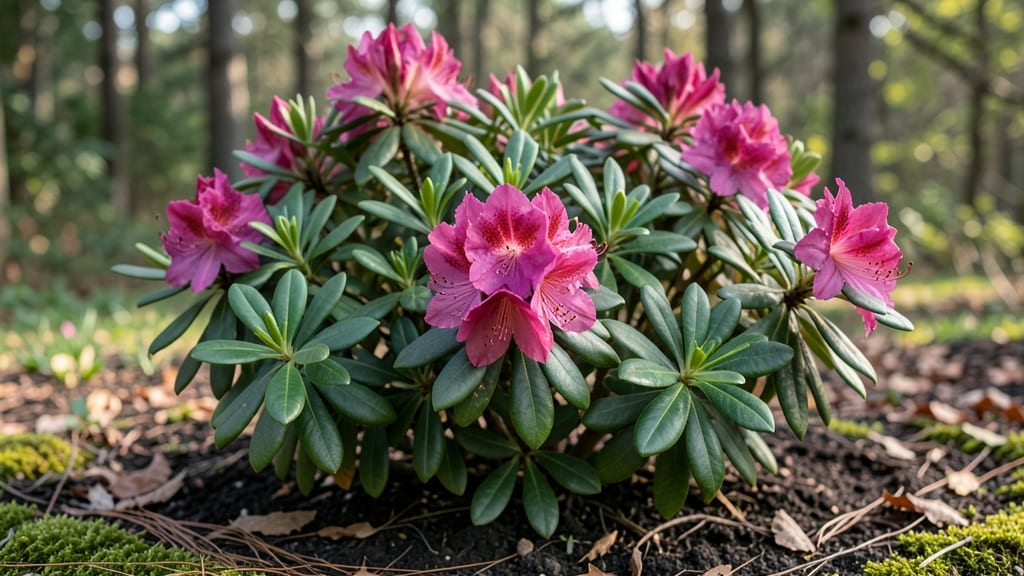
Encore azaleas bloom twice a year—once in spring and again in fall—with timing that depends on your variety and climate zone.
Wondering when your 🌸 Encore Azalea will burst into vibrant blooms again in 2024? Unlike their once-blooming cousins, these popular hybrids reward gardeners with two stunning flower shows—but timing varies dramatically by variety.
In Zone 6a, most Encore Azaleas kick off their first bloom in early April, with a second wave arriving in late September. However, cooler regions may see delays, while warmer areas could enjoy an earlier second bloom.
Discover how to predict your plant’s exact bloom dates, adjust care for extended flowering, and avoid common mistakes that can stifle those show-stopping blooms.
Encore azalea bloom time: 2024 rebloom schedule by popular variety
Encore azaleas are famous for their two-season blooms, but predicting exact bloom times requires knowing your specific variety and USDA zone. In 2024, these hybrids will reward you with spring and fall displays—typically April-May and September-October—but timing shifts based on climate.
For example, 'Autumn Splendor' often blooms 2 weeks earlier than 'Hino Crimson' in the same region. Understanding these differences helps you plan your garden’s color calendar with precision.
Climate plays a huge role in bloom scheduling. Cooler USDA Zones 5-7 may see delayed spring blooms until late May, while Zones 8-10 often enjoy earlier spring displays in March. The fall rebloom, however, is more consistent across zones, typically appearing in late August to October.
This predictable pattern makes Encore azaleas a gardener’s favorite for extended seasonal interest. Let’s break down the bloom windows for your favorite varieties.
| Variety | Spring Bloom (USDA 6-7) | Fall Bloom (USDA 6-7) | Spring Bloom (USDA 8-10) | Fall Bloom (USDA 8-10) | Color |
|---|---|---|---|---|---|
| 'Autumn Splendor' | Late April - Early May | Mid-September - Late October | Mid-April - Late April | Early September - Mid-October | Deep pink |
| 'Hino Crimson' | Early May - Mid-May | Late September - Early October | Late April - Early May | Mid-September - Late September | Vibrant red |
| 'Geisha Orange' | Mid-April - Early May | Late August - Mid-October | Early April - Mid-April | Early September - Mid-October | Coral orange |
| 'Wee Tiny' | Late April - Early May | Mid-September - Late September | Mid-April - Late April | Early September - Mid-September | Purple |
| 'Pink Charm' | Early May - Mid-May | Late September - Early October | Late April - Early May | Mid-September - Late September | Soft pink |
If you’re in USDA Zone 6 or 7, plan for 'Autumn Splendor' to kick off spring blooms around late April, while 'Hino Crimson' typically follows in early May. In warmer Zones 8-10, both varieties bloom 3-4 weeks earlier, often starting in mid-April.
The fall rebloom is more uniform across zones, with most varieties flowering between late August and October. This consistency makes Encore azaleas ideal for extended garden interest.
Temperature fluctuations can delay or advance blooms. For example, a cold snap in April might push back spring blooms by 1-2 weeks, while an early heatwave in September could trigger an earlier fall rebloom.
To mitigate these shifts, monitor your local weather forecasts and adjust care routines accordingly. Mulching in early spring helps regulate soil temperature, while light pruning after blooms encourages stronger reblooms.
For gardeners in cooler climates (Zones 5-6), consider planting heat-loving varieties like 'Geisha Orange', which often blooms earlier in spring and extends its fall display. In warmer zones (Zones 9-10), focus on shade protection during peak summer to prevent bud drop before the fall rebloom.
A simple 30% shade cloth can make a dramatic difference in maintaining bloom quality.
Each Encore azalea variety has its own unique bloom personality. For instance, 'Pink Charm' often produces larger flowers but may bloom slightly later than 'Autumn Splendor'. Meanwhile, 'Wee Tiny'—a dwarf variety—follows a similar schedule but with more compact blooms.
These differences let you mix varieties for a staggered, continuous display from spring through fall. Plan your garden layout to highlight these variations!
Pro tip: Use a gardening journal to track your Encore azaleas’ bloom dates each year
How to adjust bloom time: 5 pro tips for early or extended flowering
Want your Encore azaleas to bloom earlier or extend their stunning fall rebloom? Timing is everything, and small adjustments to your care routine can shift bloom windows by weeks. These reblooming hybrids respond beautifully to targeted pruning, light management, and strategic feeding—but timing matters.
For example, 'Autumn Splendor' typically blooms in late September, but with the right tricks, you can coax flowers as early as mid-August.
Start by understanding your azalea’s natural bloom cycle. Most Encore varieties produce spring blooms first (April-May), then set buds for fall. The key to extending flowering lies in post-bloom care—what you do after those spring flowers fade determines whether you’ll see a second show.
Let’s dive into the 5 pro tips that’ll give you control over your azalea’s calendar.
For early blooming, focus on pruning in late winter (February) to remove old wood and stimulate new growth. This can shift spring blooms by 2-3 weeks earlier.
Pair this with a light spring feed in March to jumpstart flowering hormones. I’ve seen 'Hino Crimson' burst into color in early April instead of May using this method!
Remember, consistency is key. Skipping a watering schedule or fertilizing too late can disrupt bud formation. Monitor your azalea’s foliage health—dark green leaves signal it’s ready for rebloom, while yellowing leaves mean it’s stressed and needs acid-loving soil amendments.
With these adjustments, you’ll enjoy two vibrant bloom cycles instead of one.
Pro tip: Keep a gardening journal to track your azalea’s bloom dates and care adjustments. Over time, you’ll refine your approach to match your local climate. For example, gardeners in USDA Zone 7 often see earlier blooms than those in Zone 6—adjust your timing accordingly. Happy blooming!