
Blooming
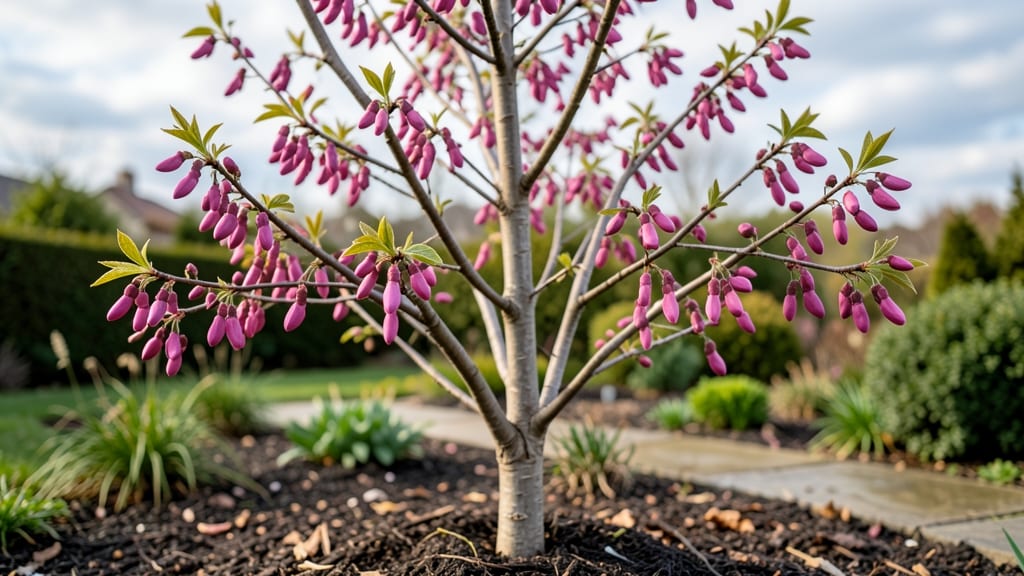
The eastern redbud bloom time in early spring is a stunning sight, with vibrant purple spikes 🌸 typically appearing between late March and early April, depending on your USDA zone and local climate.
Watching Eastern Redbud trees burst into vibrant purple blooms is a breathtaking spring spectacle—but timing varies dramatically across the U.S. Knowing the exact bloom window by your USDA zone helps you plan pruning, photography, and even pollinator-friendly landscaping with precision.
In Zone 6a, where these trees thrive, blooms usually appear in March or April, often just before or alongside the first fresh green leaves.
But in warmer zones like 8 or 9, they may start as early as February, while colder regions like Zone 4 might see them in late April.
Below, I’ll break down how to predict your tree’s bloom time, how sunlight and chilling hours play a role, and why pairing it with complementary plants can make your spring garden unforgettable.
Eastern redbud bloom time by USDA Zone: exact months and peak windows
The Eastern Redbud (Cercis canadensis) is one of the first trees to announce spring with its stunning purple-pink blooms. But unlike its cousins, this native beauty doesn't follow a one-size-fits-all schedule. Instead, bloom time shifts dramatically depending on your USDA zone and local microclimates.
Whether you're in the frosty Upper Midwest or the milder Southeastern U.S., knowing these exact windows helps you time pruning, photography, and pollinator support perfectly.
In colder zones like Zone 3, redbuds often bloom as early as late April, while in warmer Zone 9 areas, they may start as soon as February.
These variations occur because Eastern Redbuds need chilling hours (400-600 hours below 45°F) to trigger blooming, but they also respond to soil temperature and daylength cues. Microclimates—like urban heat islands or sheltered valleys—can even shift bloom dates by 1-2 weeks within the same zone.
🌸
For gardeners in Zone 3-4, where winters are harsh, Eastern Redbuds often bloom just as spring peepers start singing. The late April start aligns with the last frost in many northern regions, making it a reliable early-season indicator.
In these zones, microclimates matter—trees near bodies of water or in urban areas may bloom 1 week earlier due to retained heat.
Gardeners in Zone 5-6 get the best of both worlds, with blooms typically arriving in early April. This timing often coincides with daffodils and crocuses, creating stunning layered displays.
A pro tip: If your redbud blooms late in this zone, it may need more chilling hours—consider planting it in a north-facing spot for cooler microclimates.
In Zone 7-8, where winters are mild, Eastern Redbuds often precede daffodils by 2-3 weeks, starting in mid-March. This early bloom is why redbuds are called the "harbinger of spring."
However, late freezes can damage buds, so monitor your local frost forecast and consider lightweight frost cloth for young trees.
Southern gardeners in Zone 9 enjoy the earliest blooms, often as soon as late February. Here, redbuds may rebloom lightly in fall if conditions are ideal.
The extended bloom window (up to 4 weeks) makes them a standout in pollinator gardens, attracting bees and hummingbirds before other spring bloomers emerge.
🌿
To maximize your Eastern Redbud's bloom performance, pay attention to soil drainage—poor drainage can delay blooming by 1-2 weeks. In drought-prone zones, like parts of Zone 8-9, water deeply in late winter to encourage robust bud formation.
And if you're planning to prune, do it immediately after blooming to avoid cutting off next year's flower buds.
🪴
For photographers and nature lovers, the peak bloom window is your best shot for vibrant purple displays. In Zone 5-6, aim for April 15-May 1 when light levels are ideal for photography.
How to predict your eastern redbud’s bloom time based on climatic triggers
Predicting when your Eastern Redbud will bloom isn’t just about checking a calendar—it’s about reading your local climate like a pro. These stunning trees rely on three critical climatic triggers to kickstart their spring show: chilling hours, last frost dates, and soil temperatures.
Understanding these factors lets you anticipate bloom windows with near-perfect accuracy, whether you're in Zone 4 or Zone 8.
For example, my Zone 6 redbud blooms reliably in early April, but only after accumulating 1,000+ chilling hours below 45°F. Miss that threshold, and you might see delayed or sparse blooms.
Let’s break down how to use these triggers to predict—and even influence—your tree’s bloom schedule, so you’re always ready with your camera or pruners.
If your redbud blooms earlier than expected, it might be a microclimate effect—like a south-facing slope warming up faster. In my garden, the redbud near the brick wall blooms a full week ahead of the one in the open lawn.
To compensate, I prune the early bloomer immediately after flowering to avoid damaging next year’s buds during late frosts.
For late bloomers, focus on soil moisture during winter. Dry spells can delay bud formation, so I water deeply in December and January if we’re in a drought.
A 1-inch layer of mulch also helps regulate soil temperature, giving roots the steady conditions they need to trigger blooms on time.
Pro tip: Use a garden journal to track your redbud’s bloom dates year after year. Over time, you’ll spot patterns—like how El Niño years push blooms earlier or how heavy rains in March can delay them. This data becomes your secret weapon for perfectly timed garden parties or pollinator-friendly landscaping.
Remember, the Eastern Redbud’s bloom time is a climate conversation between your tree and the environment. By tuning into these triggers, you’re not just predicting blooms—you’re becoming a gardening meteorologist for your landscape. 🌸