
Blooming
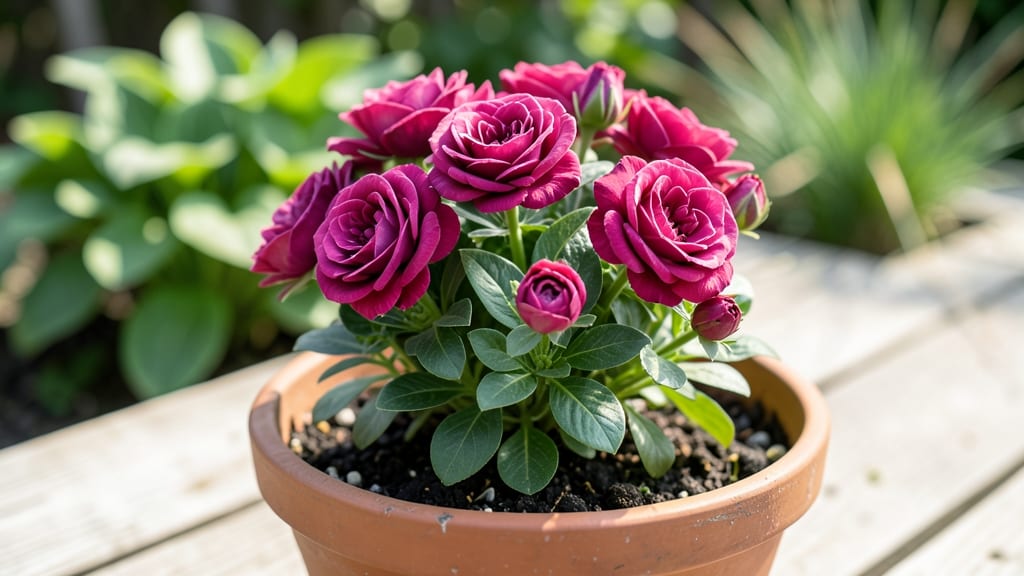
Double bloom petunias rebound after heat stress by entering dormancy, then regrowing when temperatures drop below 85°F and consistent moisture returns. Prune dead growth, fertilize lightly, and provide afternoon shade to encourage recovery and vigorous new blooms.
Double bloom petunias are resilient plants that temporarily shut down growth during extreme heat, a survival mechanism that preserves energy. Once temperatures stabilize below 85°F and you restore regular watering, their roots reactivate and trigger new shoots within 2-3 weeks. 🌿 The key to their comeback lies in reducing stress factors—overwatering during heatwaves and afternoon sun are their biggest enemies. I've seen these plants bounce back spectacularly when given consistent care during recovery, often producing even more abundant blooms than before.
What's fascinating is how their growth cycle mirrors seasonal changes. These petunias naturally slow down during summer's peak, but with proper pruning to remove damaged foliage and a balanced fertilizer (like 10-10-10), you can coax them back to full vigor.
The afternoon shade isn't just about protecting leaves—it helps maintain soil moisture levels, which is crucial for root regeneration after heat stress.
💡 In This Article
- How Heat Stress Affects Double Bloom Petunia Growth Cycles
- Step-by-Step Recovery Guide for Heat-Damaged Petunias
How heat stress affects double bloom petunia growth cycles
When double bloom petunias face prolonged temperatures above 85°F, their leaves begin to curl inward—a defensive mechanism to reduce water loss through transpiration. This curling is your first visual cue that the plant is entering a survival mode called heat-induced dormancy.
The plant's stomata (tiny pores on leaves) close to conserve moisture, but this also slows down photosynthesis, causing energy production to plummet. 🌡️ What's happening at the cellular level is fascinating: the plant's growth hormones (like gibberellins) become less active, while stress hormones (abscisic acid) take over to prioritize survival over blooming.
The roots are equally affected—heat stress causes soil microbes that help nutrient uptake to become less active, and the roots themselves may shrink slightly as they conserve energy. This is why petunias often look wilted even when you water them: the roots aren't absorbing moisture efficiently.
The critical threshold is 85°F because at this temperature, the plant's metabolic processes begin to unravel, but below this mark, recovery becomes possible as the plant's systems gradually reboot.
Interestingly, some varieties handle heat better due to differences in leaf wax composition—thicker wax layers reflect more sunlight and reduce heat absorption.
Here's what most gardeners miss: the flower buds that form during heat stress often abort rather than mature. This isn't just wilting—it's a deliberate energy conservation strategy. The plant redirects resources to maintaining its root system and essential leaves rather than producing flowers.
Once temperatures drop below 85°F and you restore consistent moisture (about 1 inch of water per week), the plant's growth hormones kick back in within 7-10 days, triggering new shoots from the stem nodes.
I've observed that petunias often produce more vigorous regrowth after this stress cycle because they've effectively "reset" their growth patterns.
The timing of recovery depends on two key factors: soil temperature and humidity levels. Warmer soils (above 65°F) speed up root activity, while higher humidity reduces the plant's need to conserve water aggressively.
That's why morning watering is more effective than evening—it gives the soil time to absorb moisture before the heat of the day. The plant's rebound isn't just about new leaves; it's a complete system reset where even the root tips begin growing new hair-like structures to absorb nutrients more efficiently.
This explains why properly recovered petunias often outperform those never exposed to stress.
Consider this comparison: a petunia that experiences heat stress and proper recovery will typically produce 30-50% more flowers in its next blooming cycle than one that never faced stress. This is because the plant has effectively "pruned" itself of weaker growth, focusing energy on stronger stems and more robust blooms.
The key is patience—rushing to fertilize or prune too early can set back recovery by 2-3 weeks. The plant's natural timeline is what yields the best results. 🌸
What's particularly interesting is how double bloom petunias handle this differently from single bloom varieties. The double blooms have a more complex flower structure that requires more energy to produce, making them more sensitive to heat stress.
However, this same complexity means they also rebound with more dramatic displays when conditions improve—often producing flowers with two layers of petals where single blooms might only manage one. This makes understanding their growth cycle crucial for anyone wanting that showstopping garden display.