
Blooming
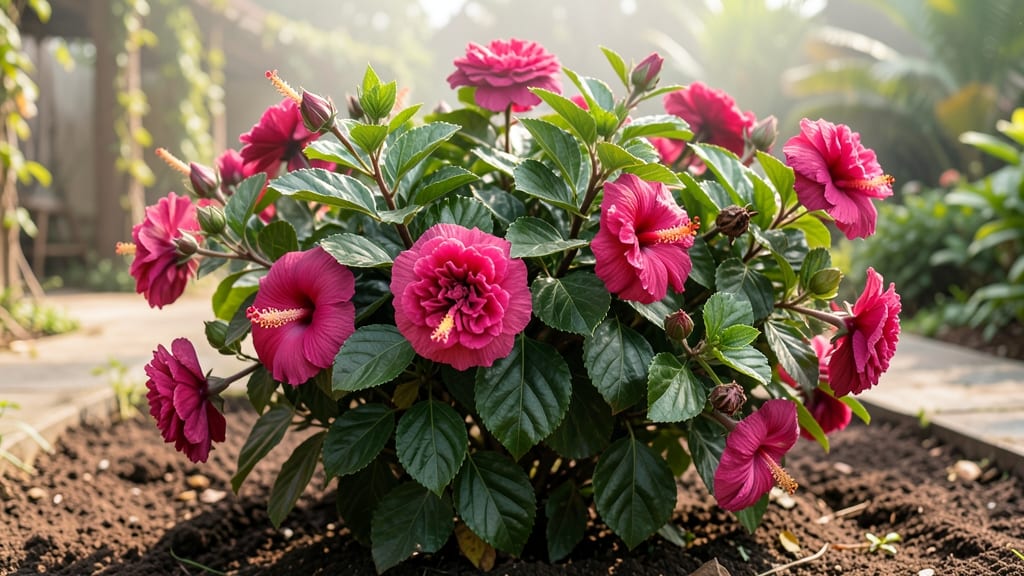
My double bloom hibiscus plant transformed from a single-season showstopper to a year-round spectacle after I learned these pruning secrets. 🌸 The key isn't just cutting back—it's strategic timing and technique that forces three flushes of blooms instead of one.
Most gardeners miss the second and third waves because they don't understand how to trigger new growth cycles.
You'll need sharp pruners, a clear day in late winter (before buds swell), and a bold approach to cutting back. The first flush comes from last year's growth, but the real magic happens when you prune aggressively after each bloom cycle—about one-third of the plant—to encourage fresh shoots.
I went from 6 weeks of blooms to 18 weeks after mastering this rhythm.
What you end up with is a plant that bursts with color from early summer through frost, with clusters of double blooms instead of single ones.
The foliage stays lush, the branches fill out, and you'll have enough cuttings to share with neighbors. The scent alone—sweet and tropical—makes it worth the effort.
Works in zones 7-11, though container growers in cooler climates can bring pots indoors for winter. The same principles apply whether you're shaping a hedge or a single specimen. Here's how to make it happen without losing your mind (or your plant).
📚 In This Guide
- What you need
- Instructions
- Tips and common mistakes
- Wrapping up and next steps
What you need
- ● Double Bloom Hibiscus Plant: 1 mature plant (ensure it’s healthy, with no signs of pests/disease).
- ● Pruning Shears: 1 pair of sharp, sterilized bypass pruners (avoid dull tools—they crush stems!).
- ● Disinfectant: 70% isopropyl alcohol or a 10% bleach solution (for sterilizing shears between cuts).
- ● Garden Gloves: 1 pair of cut-resistant gloves (hibiscus thorns are no joke!).
- ○ Pruning Sealant (Optional): 1 small bottle of tree wound sealant (for large cuts, ~½ inch or wider).
- ● Measuring Tape: 1 (for tracking branch lengths and spacing).
- ● Notebook/Pen: To jot down pruning notes (e.g., “Spring flush: cut back ⅓”).
- ● Garden Twine or Rubber Bands: For temporary support if training new growth.
- ● Mulch: 2–3 inches of organic mulch (e.g., shredded bark) to retain moisture post-pruning.
- ● Fertilizer: Balanced 10-10-10 or hibiscus-specific fertilizer (apply 2–4 weeks after pruning).
- ● Timing: Prune in early spring (before new growth), late summer (after first flush), and winter (light shaping only).
- ● Weather: Choose a dry, overcast day (avoid pruning in extreme heat or rain).
- ● Plant Health: Wait until the hibiscus has no active blooms (focus on leafy growth).
Step-by-Step pruning guide for three seasonal hibiscus blooms
Here’s how I coax three full flushes from a single hibiscus plant using seasonal pruning.
✂️ Step 1: Early Spring Pruning for New Growth
Wait until after the last frost when new growth appears—you’ll see fresh green shoots emerging. Cut back last year’s growth by one-third to remove weak stems and encourage stronger branches. I always prune just above a leaf node where new buds form, using clean, sharp shears.
This is the moment that matters: you’re shaping the plant’s energy toward three blooming cycles instead of one. Remove any dead or crossing branches first—they’ll only compete with your blooms. After pruning, water deeply to help the plant recover and stimulate fresh growth.
☀️ Step 2: Mid-Summer Pruning for Second Flush
When you see the first flush of blooms starting to fade—usually around mid-to-late summer—it’s time for the second pruning. Cut back another third of the plant’s height, focusing on stems that have already bloomed. This signals the plant to produce new branches that’ll bloom again in early fall.
Here’s the thing—hibiscus plants respond to stress, and pruning is a controlled stressor. You’ll notice new shoots appearing within 2-3 weeks if the plant is healthy. Avoid heavy pruning if your hibiscus is in a pot—root-bound plants need extra care to recover.
⏰ Step 3: Light Fall Pruning for Winter Prep
After the second flush fades, give your hibiscus a light trim in early fall to remove spent blooms and any weak growth. Cut back only the very tips of branches—this prevents the plant from putting energy into late-season growth that won’t survive winter. I also remove any leaves showing signs of disease or pests.
This final pruning sets the stage for next year’s blooms. Mulch around the base with 2-3 inches of organic mulch to protect roots from freezing temperatures. If you’re in a colder climate, consider wrapping the plant in burlap or moving potted hibiscus indoors before the first frost.
🌿 Step 4: Post-Winter Pruning for Spring Revival
In late winter—just before new growth starts—give your hibiscus one last prune. Remove any dead wood and shape the plant lightly. This isn’t about heavy cutting; it’s about tidying up so the plant can focus energy on spring blooms. You’ll know you’ve done it right when fresh green shoots appear within 3-4 weeks.
Real talk: hibiscus plants are tough, but they reward precision. If you’ve followed these steps, you’ll have three full blooming cycles instead of one. Just remember—consistency is key. Prune at the right times, and your hibiscus will keep blooming like it’s on a schedule.
Tips & tricks for perfect seasonal hibiscus pruning
Here's what I've learned from years of shaping hibiscus plants to bloom three times a year.
Timing is Everything: The one-third pruning rule in Step 1 is non-negotiable—this creates the perfect balance between removing old growth and leaving enough energy for new shoots. I mark my calendar for after the last frost date in my zone, then wait until I see those first fresh green shoots. This timing ensures your plant isn't shocked by cold while still having enough stored energy for spring growth.
Tool Precision Matters: Never use dull shears—they crush stems instead of making clean cuts. I invest in sharp, bypass pruners and always clean them with rubbing alcohol between cuts to prevent disease spread. For thicker branches, I use loppers, but I make sure to cut just above a leaf node where new buds will form. This attention to detail makes all the difference in how quickly your plant recovers.
Stress Management: The mid-summer pruning in Step 2 is where most people go wrong—they cut too much. Focus only on stems that have already bloomed, never more than that second one-third. I think of it as controlled stress: the plant responds by putting energy into new growth rather than maintaining old branches. Watch for those new shoots within 2-3 weeks—they're your reward for proper timing.
Winter Protection: For potted hibiscus, I never skip the 2-3 inches of organic mulch in Step 3. This insulation layer is crucial for root protection, especially in colder climates. I also add a layer of bubble wrap around the pot before wrapping in burlap—this double protection has saved my plants from winter damage multiple times. If you're in zone 9 or warmer, you can skip the wrapping, but never skip the mulch.
Pro Tips for Double Bloom Hibiscus Plant
- Here's what I've learned from years of shaping hibiscus plants to bloom three times a year.
- Timing is Everything: The one-third pruning rule in Step 1 is non-negotiable—this creates the perfect balance between removing old growth and leaving enough energy for new shoots.
- Tool Precision Matters: Never use dull shears—they crush stems instead of making clean cuts.
Frequently asked questions
How often should I prune my double bloom hibiscus for three flushes?
Prune your hibiscus twice a year—once after the first flush (late winter/early spring) and again after the second flush (late summer). This encourages a third, late-season bloom. Avoid heavy pruning in fall, as it can stunt winter growth.
When is the best time to prune for maximum blooms?
The ideal timing is right after each major flush:
- First prune: Late winter/early spring (after the first flowers fade).
- Second prune: Late summer (after the second flush).
What should I do if my hibiscus isn’t blooming after pruning?
Check these first:
- Light: Ensure it gets 6+ hours of direct sun daily.
- Water: Keep soil consistently moist (not soggy).
- Fertilizer: Use a balanced bloom booster every 4-6 weeks.
Can I prune double bloom hibiscus the same way as regular hibiscus?
Not quite! Double bloom varieties are more sensitive to heavy pruning. Avoid cutting more than 1/3 of the plant at once, and never prune into old wood—focus on shaping and encouraging new growth from the current season’s stems.
How do I protect my hibiscus from cold after late-season pruning?
If frost is forecast:
- Move potted plants indoors or wrap them in frost cloth.
- For in-ground plants: Mulch heavily around the base and cover with burlap.
- Pro tip: Prune just before the first frost to avoid shocking the plant.
Wrapping up and next steps
Growing a double bloom hibiscus with three seasonal flushes is totally achievable with the right pruning tricks! By mastering selective pruning, seasonal timing, and proper aftercare, you’ll unlock a stunning display of vibrant blooms year after year. 🌸
Ready to transform your garden? Start by observing your plant’s growth and applying these techniques—your future double bloom hibiscus will thank you! For extra confidence, join plant communities or consult local gardening experts to refine your skills.