
Blooming
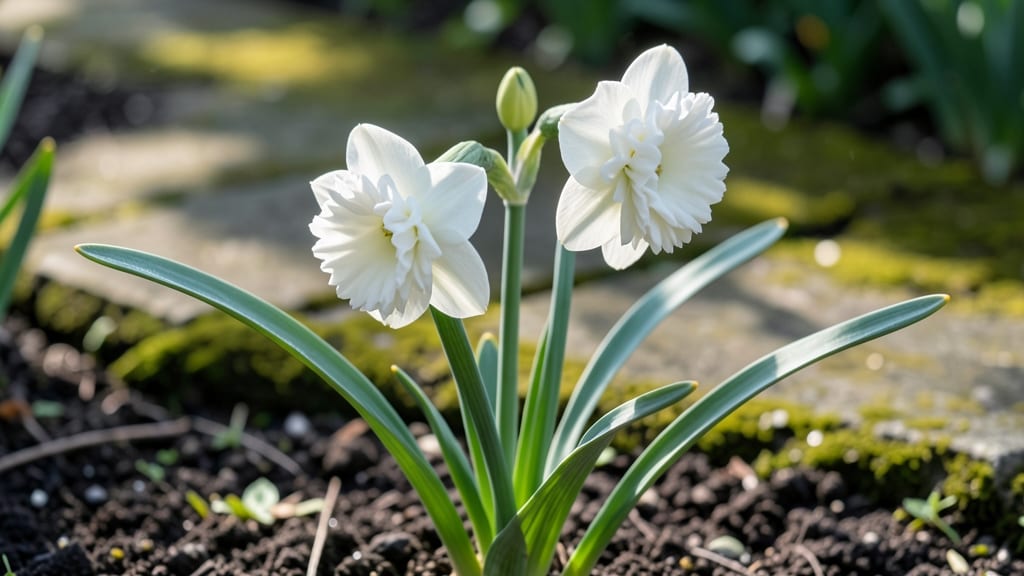
Double bloom daffodils turn my yard into a springtime explosion of layered petals that keep coming back year after year—even after snow melts. 🌱 These cold-hardy perennials break the usual "one bloom per stem" rule, giving you two flushes of flowers per season when cared for right.
The secret lies in their bulbs: bigger, stronger, and more resilient than your average daffodil. Planting them in well-draining soil with full sun (6+ hours daily) sets the stage for success. I’ve found that spacing bulbs 6 inches apart and 6 inches deep prevents overcrowding while encouraging those second blooms.
The key? Don’t skimp on bulb size—larger bulbs mean more energy for double flowers. Once established, they’re practically maintenance-free. Water deeply once a week during their first growing season, then let nature take over.
In late summer, leave the foliage until it yellows—this recharges the bulb for next year’s show. Pests? Squirrels and deer usually leave them alone, but a light neem oil spray keeps aphids at bay if they appear.
The payoff? Year after year of drama-free blooms, with some varieties even reblooming in fall. Start with Ice Follies or Tête-à-Tête for guaranteed double flowers—your neighbors will ask how you did it.
📚 In This Guide
- What you need
- Instructions
- Tips and common mistakes
- Wrapping up and next steps
What you need
- ● Double Bloom Daffodil Bulbs: Choose Narcissus varieties like ‘Tête-à-Tête,’ ‘Ice Follies,’ or ‘Peeping Tom’ (3–5 bulbs per planting spot). Opt for USDA Zone 3–9 hardy bulbs for frost resistance.
- ● Well-Draining Soil: Mix 1 part garden soil with 1 part compost and 1 part perlite or coarse sand (1–2 gallons per planting area).
- ● Planting Location: A sunny spot (6+ hours of light daily) with partial shade in hot climates (e.g., morning sun + afternoon shade).
- ● Fertilizer: Balanced bulb fertilizer (5-10-10 NPK ratio) or bone meal (1 tbsp per bulb) for root development.
- ● Mulch: 2–3 inches of shredded bark or straw to insulate bulbs in winter.
- ● Hand Trowel or Bulb Planter: For digging holes 6–8 inches deep (3x the bulb height).
- ● Garden Gloves: To protect hands while handling bulbs and soil.
- ● Watering Can or Hose: With a gentle spray nozzle for post-planting hydration.
- ● Measuring Tape/Ruler: To ensure proper spacing (3–6 inches apart for clumps, 6+ inches for single bulbs).
- ● Bulb Fertilizer Spikes: For slow-release nutrients during the growing season.
- ● Soil pH Test Kit: Aim for pH 6.0–7.0 (slightly acidic to neutral).
- ● Garden Stakes or Markers: To label varieties and track planting dates.
- ● Drip Irrigation System: For consistent moisture in dry climates.
Step-by-Step guide to growing double bloom daffodils
Here’s how to coax those showstopping double blooms from your daffodils—no tricks, just smart timing and care.
🌱 Step 1: Choose the Right Varieties for Your Climate
Double bloom daffodils thrive in USDA Zones 3-8, but not all varieties deliver reliable second blooms. Look for cultivars like ‘Tête-à-Tête’, ‘Ice Follies’, or ‘Peeping Tom’—these are bred for repeat flowering. I always check the bloom time labels: early bloomers (January–March) often rebloom, while late varieties (April–May) may not.
Plant bulbs in fall, about 6-8 weeks before the ground freezes. This gives roots time to establish before winter. I dig a hole twice as wide as the bulb but only 6 inches deep—deeper planting can delay blooming. Space bulbs 4-6 inches apart for full, lush clumps that multiply over time.
☀️ Step 2: Plant in Full Sun with Well-Draining Soil
Daffodils demand 6+ hours of direct sun daily—partial shade yields fewer blooms. I test soil drainage by digging a hole, filling it with water, and watching how fast it drains. If water lingers beyond 10 minutes, amend with sand or grit to improve aeration. Heavy clay? Mix in compost to loosen the texture without suffocating roots.
Double bloomers need nutrient-rich soil but hate soggy conditions. I top-dress with aged compost at planting, then again in early spring after the first blooms fade. Avoid fresh manure—it burns tender roots. Mulch with 2 inches of shredded bark after planting to insulate bulbs through winter.
💧 Step 3: Water Strategically for Repeat Blooms
Water deeply once a week after planting until true leaves appear—about 1 inch of water per week. Overwatering in fall can rot bulbs, but drought stress stunts growth. I use a soaker hose to deliver moisture directly to roots without wetting foliage, which reduces fungal risks.
After the first bloom cycle, stop fertilizing until new leaves emerge in spring. This forces the bulb to store energy for next year’s flowers. When second shoots appear (usually late summer), resume watering and feed with a low-nitrogen bulb fertilizer to encourage another round of blooms.
✂️ Step 4: Deadhead and Care for Post-Bloom Health
Snip spent blooms just above the foliage to redirect energy to bulb storage. But here’s the key: never cut leaves until they yellow naturally. Yellowing leaves photosynthesize, feeding the bulb for next year’s blooms. I mark plants with toothpicks to track leaf maturity—when 60% of leaves brown, I trim the rest.
In late summer, apply a balanced fertilizer (10-10-10) to promote bulb strength. Double bloomers need extra care—I divide clumps every 3-4 years when blooms thin. Dig up bulbs after foliage dies back, separate offsets, and replant immediately. This rejuvenates plants and prevents overcrowding.
⏰ Step 5: Protect Through Winter for Next Year’s Blooms
Daffodils handle frost like champs, but heavy mulch (4–6 inches of straw or leaves) shields bulbs from freeze-thaw cycles. I leave mulch in place until late winter—removing it too early exposes tender shoots to late frosts. In Zone 3, I add an extra layer of burlap over mulch for extreme winters.
Watch for squirrels digging up bulbs—I’ve lost entire clumps to them! Scatter bulb covers or plant daffodils near deterrent plants like alliums. By March, reduce mulch to 2 inches to let soil warm for spring growth. You’ll see first shoots in late winter—that’s your cue to start watering lightly again.
Tips & tricks for perfect double bloom daffodils
Here's what nobody tells you about getting those second blooms—these are the secrets I've perfected over years of growing daffodils that keep coming back stronger every year.
Variety Selection Matters: The 6-8 week fall planting window is critical, but timing varies by variety. Early bloomers like 'Tête-à-Tête' often deliver second blooms when planted in late September to early October—this gives their roots time to establish before winter dormancy. Late bloomers may need an extra week earlier in the window. I always check my local frost dates and adjust accordingly, aiming for 60 days before first frost for best results.
Soil Test Before Planting: That 10-minute drainage test in Step 2 is non-negotiable, but here's the deeper insight: daffodil roots need oxygen almost as much as water. If your soil drains perfectly but feels compacted, mix in perlite or vermiculite (1 part to 3 parts soil) to create air pockets. I've seen bulbs rot in "well-draining" soil that was actually too dense—this simple amendment prevents that. The goal is soil that feels like a damp sponge, not wet sandpaper.
Winter Protection Hacks: The 4-6 inches of mulch in Step 5 works, but I've found that adding a layer of cardboard between the mulch and soil creates an extra insulating barrier that prevents temperature fluctuations. In Zone 3, I also use black plastic mulch in early spring to warm the soil faster once shoots appear. This gives you a 2-3 week head start on growth compared to unprotected beds.
Second Bloom Trigger: The late summer fertilizer application in Step 4 is your secret weapon for repeat blooms. I use a low-nitrogen bulb fertilizer (5-10-10) instead of the suggested 10-10-10 because too much nitrogen produces leaves at the expense of flowers. The key is applying it when second shoots are 2-3 inches tall—this gives the bulb just enough energy to push through another bloom cycle without exhausting itself.
Pro Tips for Double Bloom Daffodils
- Here's what nobody tells you about getting those second blooms—these are the secrets I've perfected over years of growing daffodils that keep coming back stronger every year.
- Variety Selection Matters: The 6-8 week fall planting window is critical, but timing varies by variety.
- Soil Test Before Planting: That 10-minute drainage test in Step 2 is non-negotiable, but here's the deeper insight: daffodil roots need oxygen almost as much as water.
Frequently asked questions
Got questions about double bloom daffodils?
You’re not alone! These stunning perennials are full of surprises—here’s what you need to know before planting or caring for them.
Can double bloom daffodils survive harsh winters?
One of their biggest perks is cold hardiness. Most varieties thrive in USDA zones 3–8, withstanding frost down to -30°F (-34°C). Just ensure they’re planted in well-draining soil and mulched lightly in extreme climates for extra protection.
Why do some double bloom daffodils only flower once?
Not all double bloomers are created equal! Some true double bloomers (like ‘Tête-à-Tête’ or ‘Peeping Tom’) produce two full blooms per stem, while others may only rebloom weakly. Check the cultivar—hybrids like Jonquil or Ice Follies are reliable repeat performers.
When is the best time to plant double bloom daffodils for spring blooms?
For spring blooms, plant bulbs in fall (6–8 weeks before frost). For summer reblooms, add a high-potassium fertilizer (like 5-10-10) in early spring and deadhead spent blooms promptly. Pro tip: Divide clumps every 3–5 years to boost vigor!
Are double bloom daffodils deer-resistant?
While deer usually avoid daffodils (thanks to toxic alkaloids), they’re not 100% deer-proof. Double bloomers are slightly more appealing due to their longer bloom time. If deer are a problem, try planting in clusters or adding deer repellent sprays during peak browsing seasons.
How do I encourage more blooms next year?
- Feed them: Use a balanced bulb fertilizer (like 10-10-10) in early fall and late winter.
- Water wisely: Keep soil moist but not soggy during bulb growth (fall/winter) but reduce watering after blooming to let foliage yellow naturally.
- Avoid overcrowding: Plant bulbs 6–8 inches deep and 6 inches apart for airflow.
What should I do if my double bloom daffodils don’t rebloom?
Don’t panic! Common culprits include:
- Too much shade (they need 6+ hours of sun).
- Over-fertilizing with nitrogen (promotes leaves, not blooms).
- Poor drainage (rot = no blooms).
Wrapping up and next steps
Double bloom daffodils are the ultimate low-maintenance stars of early spring gardens—bringing bold color and joy year after year, even in chilly climates. Their frost-resistant nature and two-flower-per-stem magic make them a gardener’s dream, whether you’re a beginner or a seasoned pro.
Ready to transform your outdoor space? Start by picking your perfect variety and watch your garden bloom with effortless beauty!
- 🌱 Next step: Grab your gloves and dig in—your frost-defying daffodil display awaits!
- ✨ Pro tip: Share your progress with #DoubleBloomDaffodils for inspiration!