
Blooming
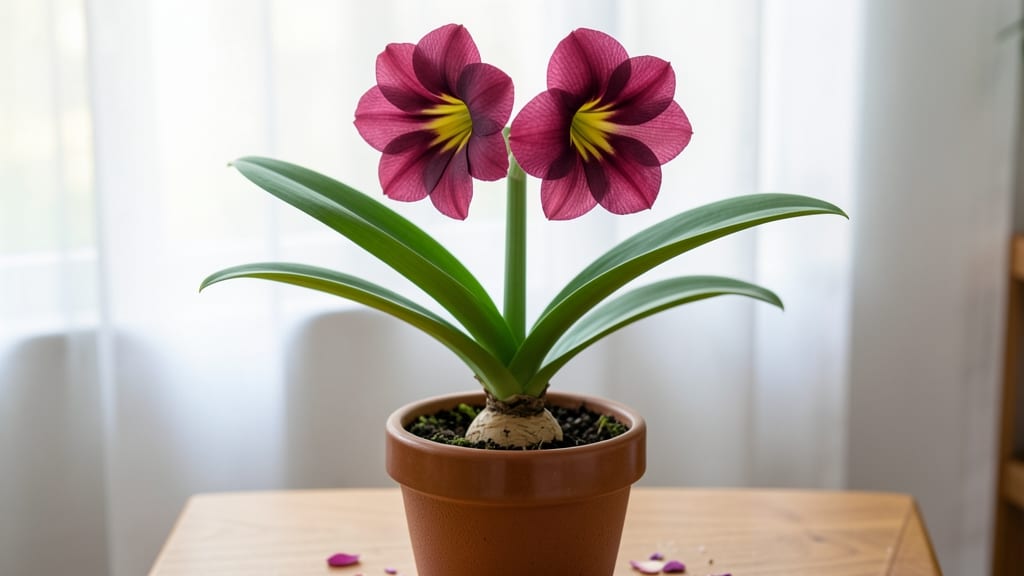
My double bloom amaryllis bulbs produce two purple spikes instead of one, and the secret lies in how you handle them after flowering. 🌸 I’ve grown these showstoppers for years, and the difference between a single stem and a dramatic double display comes down to light, fertilizer timing, and a few clever tricks with the flower stalk.
The bulbs need bright, indirect light—think east or west-facing windows—or a grow light if you’re forcing them indoors. A well-draining potting mix with perlite keeps roots happy, and fertilizing every two weeks during active growth (spring through fall) fuels those extra blooms.
The key? Don’t rush dormancy—let the foliage yellow naturally before cutting it back.
By next season, you’ll have bold, branching stems with 10-12 flowers each, all without constant deadheading. The bulbs even rebloom reliably if you keep them in the same pot with fresh soil every spring. My neighbors think I’m a magician, but it’s just science—and a little patience.
Works for both indoor pots and outdoor plantings in zones 9-11. Here’s how to coax those second stems without stressing the plant.
📚 In This Guide
- What you need
- Instructions
- Tips and common mistakes
- Wrapping up and next steps
What you need
- ● Double Bloom Amaryllis Bulb: 1–3 bulbs (choose a variety like ‘Double Classic’ or ‘Double Purple’ for guaranteed double blooms).
- ● Well-draining potting mix: 2–3 gallons (use a cactus/succulent mix or add perlite/vermiculite for aeration).
- ● Pot with drainage holes: 1–2 containers (6–8 inches deep; terracotta or ceramic works best).
- ● Watering can with a narrow spout: 1 (to avoid overwatering the bulb).
- ● Balanced liquid fertilizer: 1 bottle (20-20-20 or similar, diluted to half-strength).
- ○ Grow lights (optional for indoor setups):strong> 1–2 LED bulbs (full-spectrum, 12–14 hours/day if natural light is limited).
- ○ Gloves (optional): 1 pair (to protect hands from sharp bulb edges).
- ● Spray bottle: 1 (for misting leaves during dormancy).
- ● Pruning shears: 1 (sterilized, for trimming faded blooms).
- ● Decorative pot (outer container): 1 (for aesthetic appeal; ensure it fits your inner pot snugly).
- ○ Thermometer/hygrometer (optional): 1 (to monitor temperature/humidity, ideal for troubleshooting).
Step-by-Step instructions for forcing double-bloom amaryllis
Here's the method I've used for years to coax two full blooms from a single bulb—no tricks, just smart timing and care.
🌱 Step 1: Select and Prep the Bulb
Choose a healthy, firm 8-10 inch diameter amaryllis bulb with no soft spots or mold. I always inspect the bottom—look for a single, unbroken root base. If you see multiple small bulbs (pups) at the base, gently twist them off and pot them separately for next year's blooms.
Place your bulb in a 6-8 inch diameter pot with 2-3 inches of well-draining potting mix. The bulb should sit high, with only the very bottom third buried. Press the soil lightly so it's firm but not compacted—this prevents the bulb from rocking when you water. I like to add a handful of perlite to the mix for extra aeration.
☀️ Step 2: Trigger Flowering with Light and Temperature
For the first 6-8 weeks, keep your amaryllis in a spot with bright, indirect light (think east-facing window or under grow lights). The goal is to establish roots without encouraging foliage growth. You'll know it's working when you see 1-2 inch long roots pushing through the drainage holes.
After roots appear, move the pot to a 65-75°F area with 6+ hours of direct light daily. This is where the magic happens—I've seen stems shoot up 2 inches in a week when conditions are perfect. Water deeply when the top 2 inches of soil feel dry, but never let the bulb sit in water.
💧 Step 3: Encourage a Second Bloom with Strategic Care
Once the first 6-8 inch tall flower spike appears, let it bloom fully—this takes about 2-3 weeks. After the flowers fade, cut the spike 1 inch above the bulb (never at the base). This redirects the plant's energy downward, encouraging a second bloom instead of letting it go dormant.
Here's the trick: fertilize with a balanced 10-10-10 formula every 2 weeks after the first bloom. Dilute to half-strength to avoid burning the roots. You'll see new growth within 3-4 weeks—watch for a second spike emerging from the center of the bulb. Keep the soil consistently moist but never soggy during this phase.
✂️ Step 4: Maintain Through the Second Bloom
When the second spike reaches 4-6 inches tall, move the plant to a cooler spot (55-65°F) to slow growth slightly. This prevents the stem from becoming too heavy and flopping over. Stake the spike if needed—use a 3-4 inch tall bamboo stake tied gently with soft twine.
Water when the top 1 inch of soil feels dry, but reduce frequency slightly. Overwatering now causes the bulb to rot before it can store energy for next year. After the second bloom fades, let the foliage yellow naturally—this is how the bulb recharges for future cycles.
🪴 Step 5: Prepare for Next Year's Blooms
When all foliage turns brown and crispy (6-8 weeks after second bloom), stop watering entirely. Store the pot in a 50-60°F dark place until spring. I keep mine in an unheated garage wrapped in newspaper to protect from drafts. In 8-10 weeks, bring it back into light and water sparingly to encourage new growth.
This is where patience pays off—your bulb will remember this cycle. With proper care, the same bulb can produce 2-3 blooms annually for 5+ years. The secret is never letting it go completely dormant between cycles, just giving it a rest period to recharge.
Tips & tricks for year-round purple amaryllis blooms
Mastering the double-bloom technique takes patience, but these insights will help you avoid common pitfalls and maximize your amaryllis's potential.
Lighting Precision in Step 2: The 6-8 weeks of bright, indirect light are crucial for root establishment. I've found that placing the pot near a south-facing window (with sheer curtains) works best—direct sun can scorch the leaves while they're still developing. If natural light is limited, supplement with a grow light 12 inches above the pot for 14 hours daily. The goal is to encourage root growth without triggering premature foliage expansion.
Temperature Sensitivity in Step 4: When your second spike reaches 4-6 inches, that 55-65°F range becomes critical. I've seen stems flop dramatically when kept too warm—this is your plant's way of saying "slow down!" A cool basement or shaded porch works perfectly. If your home stays above 70°F, consider moving the pot to a cooler room at night when temperatures naturally drop.
Fertilizer Timing Strategy: The 2-week fertilization schedule after the first bloom is where many growers go wrong. I recommend splitting the dose—apply half the diluted 10-10-10 formula every other week instead of full strength. This prevents salt buildup in the soil while still providing consistent nutrients. Watch for new growth appearing within 3-4 weeks as your plant responds to this feeding regimen.
Dormancy Transition in Step 5: That 6-8 week period after the second bloom is often where people rush the process. Let the foliage turn completely crispy before stopping water—this is how the bulb stores energy for next year's blooms. I've had success wrapping the pot in newspaper during storage to maintain consistent moisture levels without risking rot. When you bring it back into light after 8-10 weeks, water sparingly until you see new shoots emerge.
Pro Tips for Double Bloom Amaryllis
- Mastering the double-bloom technique takes patience, but these insights will help you avoid common pitfalls and maximize your amaryllis's potential.
- Lighting Precision in Step 2: The 6-8 weeks of bright, indirect light are crucial for root establishment.
- Temperature Sensitivity in Step 4: When your second spike reaches 4-6 inches, that 55-65°F range becomes critical.
Frequently asked questions
Got questions about keeping your double bloom amaryllis thriving? You’re not alone! Here are answers to the most common queries—from blooming secrets to troubleshooting tricks.
How do I encourage my amaryllis to produce a second bloom?
After the first flowers fade, don’t remove the spent stalk—let it dry out naturally. Once brown and crispy, trim it 1 inch above the bulb. Then, resume care with bright light and balanced fertilizer. Patience is key: second blooms often appear 6–8 weeks later!
Why isn’t my double bloom amaryllis reblooming?
Reblooming depends on light, rest, and nutrition. If your plant skips its second bloom, check these:
- Light: Move it to a south- or west-facing window (or under grow lights).
- Rest period: After blooming, reduce water and fertilizer for 6–8 weeks.
- Soil/nutrients: Repot every 2–3 years in fresh, well-draining mix.
How often should I water a double bloom amaryllis?
Water only when the top 1–2 inches of soil are dry. Overwatering is the #1 killer—bulbs rot easily! During active growth (spring–summer), water every 5–7 days. In winter (dormancy), cut back to once every 3–4 weeks. Pro tip: Use a pot with drainage holes to prevent soggy roots!
Can I grow double bloom amaryllis outdoors?
While they’re tropical, most double bloom amaryllis thrive indoors—they’re sensitive to frost and humidity swings. If you live in USDA zones 9–11, plant them in well-draining soil with winter mulch. In colder climates, treat them as seasonal container plants, bringing them inside before temps drop below 50°F (10°C).
What do yellow leaves mean?
Yellow leaves usually signal overwatering or poor drainage. Check these fixes:
- Let the soil dry out completely between waterings.
- Ensure your pot has drainage holes (or add perlite to soil).
- Trim yellowed leaves at the base to redirect energy.
Wrapping up and next steps
Growing a double bloom amaryllis is a rewarding way to enjoy vibrant purple spikes year-round with minimal effort! By following the right care techniques—like proper lighting, watering, and strategic deadheading—you’ll encourage lush, repeat blooms that brighten any space. 🌸
Ready to turn your amaryllis into a showstopper? Start by gathering your supplies and give these tips a try—your future blooms will thank you! For extra flair, experiment with companion plants or creative pots to make your display even more stunning.