
Blooming
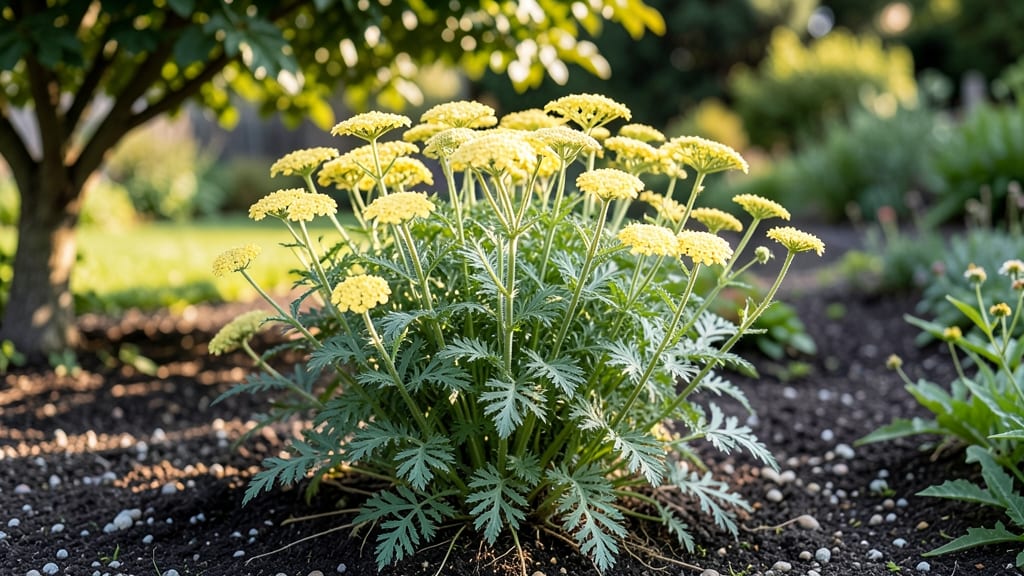
Yes, yarrow blooms all summer in many varieties, producing long-lasting clusters from early summer through fall with proper care, though some types may fade after initial flushes without deadheading or regular watering.
Yarrow's ability to bloom continuously stems from its unique growth habits and resilience.
Unlike many perennials that produce one flush of flowers, yarrow often sends up new stems throughout the season, creating a staggered bloom effect. 🌿 This means you can expect vibrant clusters from June well into October, especially in varieties like 'Moonshine' or 'White Plume'—though they'll reward you best when you remove spent blooms regularly.
The key lies in its deep roots and adaptability to various soil conditions, allowing it to bounce back even after heatwaves or drought periods.
For gardeners in hotter climates (zones 5-9), yarrow thrives with minimal fuss, while cooler regions may see slightly shorter bloom seasons. The secret to maximizing summer color? Consistent moisture during dry spells and occasional pruning to encourage new growth.
I've found that cutting back stems by half after the first flush often triggers a second wave of blooms, keeping your garden vibrant well into autumn.
💡 In This Article
- Yarrow’s Natural Blooming Cycle Explained
- Tips to Extend Yarrow’s Summer Blooms
Yarrow’s natural blooming cycle explained
Yarrow's extended blooming season comes from its unique botanical structure. Unlike many perennials that rely on a single flush of flowers, yarrow produces multiple flower heads along each stem through a process called prolonged inflorescence.
Each stem can develop 50-100 tiny flower clusters that open sequentially, creating the illusion of continuous blooming. This happens because yarrow's flower buds form at different points along the stem, with lower buds opening first and upper ones following weeks later.
The plant's deep, fibrous root system—extending 3-5 feet underground—stores water and nutrients, allowing it to recover quickly from heat stress or drought.
This resilience means yarrow can push out new growth even after heavy pruning. 🌸 In cooler climates (zones 3-5), blooming typically starts in early June and continues until frost, while warmer zones (6-9) may see flowers from May through October.
Varieties like 'Moonshine' (golden-yellow) and 'White Plume' (silvery-white) are particularly prolific because they've been bred to maximize this natural reblooming tendency.
Photoperiod sensitivity plays a crucial role too. Yarrow responds to daylight length, with most varieties entering dormancy when days shorten significantly in late fall. However, many modern cultivars have been selected to delay this response, allowing them to keep flowering well into September or October.
The plant's ability to adapt to different light conditions—from full sun to partial shade—also contributes to its longevity, making it a reliable choice for gardeners seeking summer color.
What often surprises gardeners is how yarrow's blooming pattern changes with age. Young plants may produce just one flush, while established specimens (3+ years old) develop multiple stems with staggered blooming times. This creates a layered effect where some flowers are always in bloom.
The key difference between varieties lies in their stem density: compact types like 'Cerise Queen' have tighter clusters, while open varieties like 'Gold Plate' spread more widely, affecting both bloom duration and garden impact.
Climate zones create noticeable variations in bloom timing. In zone 5, yarrow might start blooming in mid-June and continue until early October, while zone 9 gardens can enjoy flowers from April through November.
The extreme heat of summer months (especially July-August) can cause temporary wilting, but the deep roots quickly recover once temperatures drop. This adaptability is why yarrow thrives in both cottage gardens and wildflower meadows across diverse regions.
One fascinating aspect is how yarrow's flowers change color as they age. Fresh blooms are typically bright and vibrant, but they gradually fade to a more muted tone as they mature. This color progression creates visual interest and extends the perceived blooming season.
The plant's ability to self-seed also means you'll often find new volunteers appearing in subsequent years, ensuring a continuous display without additional planting efforts.