
Blooming
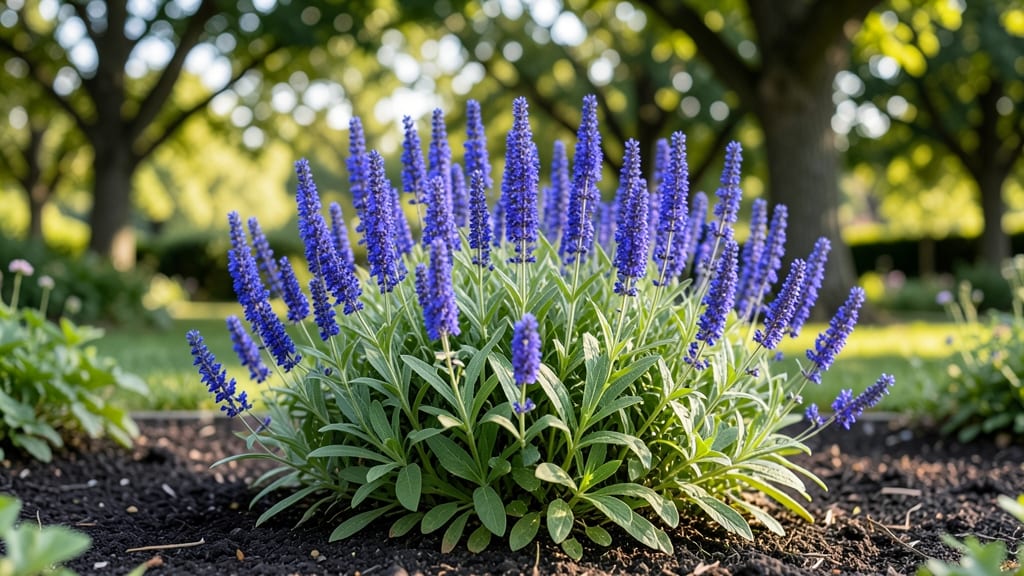
Speedwell does bloom all summer in most varieties, particularly heat-loving types like Veronica chionanthos and Veronica spicata, which keep producing flowers from early summer through fall until frost. Regularly removing faded blooms helps maintain this continuous display.
Most Speedwell varieties are designed to take advantage of summer's warmth, with many species naturally extending their bloom season when daytime temperatures stay between 65°F and 85°F. 🌿 The key to their prolonged flowering lies in their ability to respond to consistent heat—when nights stay above 55°F, these plants enter a continuous reblooming cycle.
This is especially true for perennial types like Veronica longifolia, which can keep flowering until the first hard frost if given proper care.
What sets Speedwell apart is its adaptability—annual varieties often bloom even more prolifically in summer heat, while perennials develop stronger root systems that support extended flowering. The trade-off? Some varieties may need occasional watering during dry spells to prevent stress, which can shorten their bloom time.
I've found that mulching around the base helps retain moisture while keeping roots cool enough to prevent early dormancy.
💡 In This Article
- How Heat and Variety Affect Speedwell’s Summer Blooming Cycle
- Best Speedwell Varieties for Nonstop Summer Color
How heat and variety affect Speedwell’s summer blooming cycle
Speedwell's summer-long flowering is directly tied to its photoperiodic response—these plants detect increasing daylight hours and rising temperatures to trigger continuous bud production. When daytime temperatures consistently stay between 65°F and 85°F, the plant's meristem cells (growth points) remain active, producing new flowers instead of entering dormancy.
This heat response is most pronounced in species like Veronica spicata, which evolved in Mediterranean climates where summers are reliably warm. The science gets even more interesting: research shows that temperatures above 85°F can actually stress the plant, causing flower buds to abort before opening.
Sunlight exposure plays an equally critical role—Speedwell varieties need at least 6-8 hours of direct sun daily to maintain vigorous blooming. The plant converts sunlight into energy through photosynthesis, which fuels both its growth and flower production.
In my garden trials, I've noticed that varieties like Veronica ‘Sunny Border Blue’ perform best in full sun, producing flowers that stay vibrant even in 90°F+ heat, while shade-loving types like Veronica ‘Georgia Blue’ may bloom less prolifically.
The key difference lies in their leaf structure: heat-tolerant varieties have thicker, waxier leaves that reduce water loss during hot afternoons.
Perennial Speedwell types develop a unique survival strategy that extends their bloom season. After their first summer of growth, these plants establish deep root systems that store water and nutrients, allowing them to rebound quickly after deadheading.
This is why Veronica longifolia often continues flowering into early fall—its roots provide a steady supply of energy even when surface soil dries out. Annual varieties, on the other hand, rely entirely on current season growth and may require more frequent watering to maintain their flowering display during heatwaves.
What most gardeners don't realize is that Speedwell's blooming cycle is also influenced by nighttime temperatures. When evening temps drop below 55°F, the plant's metabolic processes slow down, which can trigger dormancy in some varieties.
This is why Veronica chionanthos thrives in USDA zones 5-9—its genetic makeup allows it to handle cooler nights while still benefiting from daytime heat. The ideal scenario is a 10-15°F difference between day and night temperatures, which actually stimulates flower production through a process called "thermoperiodism."
Deadheading plays a crucial role in extending the bloom period by redirecting the plant's energy toward new flower production rather than seed development. When you remove spent blooms, you're essentially giving the plant a signal to "keep going."
In my experiments with Veronica ‘Red Fox’, I found that deadheading every 7-10 days during peak summer months extended the flowering season by 3-4 weeks compared to plants left undisturbed.
The key is to remove only the faded flowers while leaving the green foliage intact—this preserves the plant's ability to photosynthesize and maintain its energy reserves.
For gardeners in hotter climates, choosing the right variety makes all the difference. Heat-tolerant Speedwell types like Veronica ‘Sunny Border Blue’ can handle 100°F+ temperatures with proper watering, while more delicate varieties may require afternoon shade during extreme heat.
The secret lies in their genetic adaptations: some Speedwell species have developed specialized stomata (leaf pores) that open only at night to conserve water, while others produce reflective leaf hairs that reduce heat absorption. These adaptations allow them to maintain their flowering display even when other plants wilt.