
Blooming
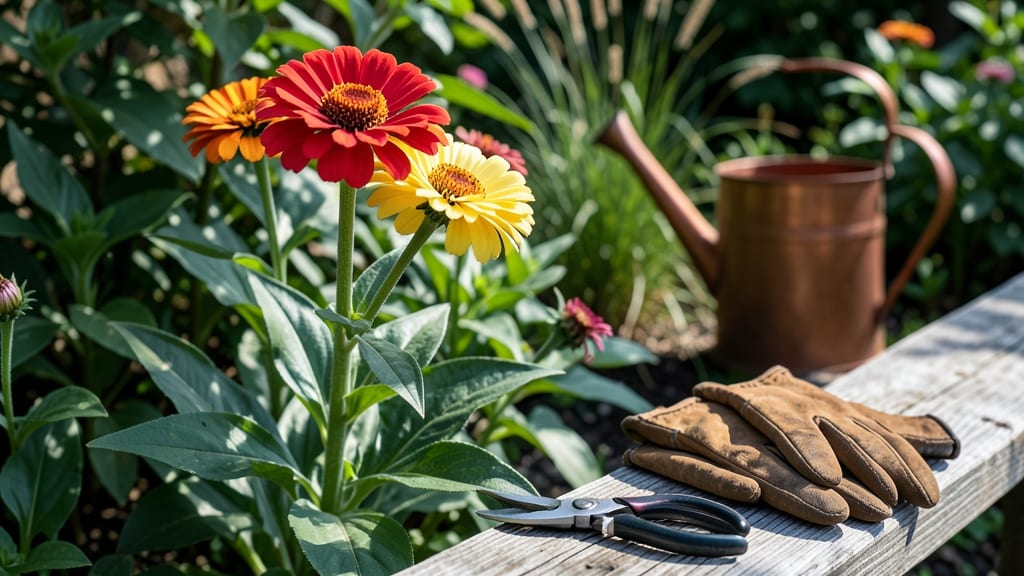
Zinnias do bloom more than once with the right care, producing continuous vibrant flowers when you deadhead spent blooms regularly and provide full sun exposure with well-draining soil. Most varieties are annuals, but some can act as perennials in warm climates with proper winter protection.
Zinnias are nature's overachievers when it comes to reblooming, thanks to their ability to respond to simple care routines. 🌸 The key is removing faded flowers (deadheading) before they form seeds—this redirects the plant's energy toward producing new blooms instead of seed development.
I've seen zinnias continue flowering for months when given consistent sunlight and occasional fertilizer boosts, especially in warmer months when growth is most vigorous.
What's fascinating is how zinnias adapt to their environment. Many varieties actually bloom more prolifically under mild stress, like slightly dry conditions, which can trigger a survival response that results in more flowers. However, this doesn't mean neglect—proper watering and occasional feeding keep them thriving without compromising their health.
The difference between annual and perennial zinnias comes down to climate: while most won't survive winter in colder zones, some hardy varieties can return year after year with minimal protection.
💡 In This Article
- Why Zinnias Rebloom: The Science Behind Deadheading and Growth Cycles
- Maximizing Zinnia Reblooms: Pruning, Fertilizing, and Seasonal Care
Why zinnias rebloom: the science behind deadheading and growth cycles
The secret to zinnias producing multiple blooms lies in their natural growth cycle. When a zinnia flower fades and begins forming seeds, the plant redirects its energy toward seed development rather than new blooms. Removing these spent flowers—called deadheading—tricks the plant into thinking it hasn't yet completed its reproductive cycle.
This simple act signals the plant to produce new flower buds from its basal growth points, often within 7-14 days depending on the variety and conditions. 🌺 The plant's hormonal balance shifts from seed production to vegetative growth, encouraging continuous blooming.
Sunlight plays a critical role in this process. Zinnias require 6-8 hours of direct sunlight daily to thrive, as photosynthesis fuels their energy needs. When grown in full sun, they produce more flowers because the plant can allocate more resources to blooming rather than leaf growth.
Interestingly, zinnias also respond to environmental stress—like mild drought—by producing more flowers as a survival mechanism. This is why you might see a burst of blooms after a dry spell, as the plant prioritizes reproduction when water becomes scarce.
However, this doesn't mean you should withhold water entirely; consistent moisture keeps the plant healthy enough to sustain prolonged flowering.
The soil's nutrient balance also influences reblooming. Zinnias prefer well-draining soil with a slightly acidic to neutral pH (6.0-7.0). When the soil lacks essential nutrients like phosphorus and potassium, the plant may produce fewer blooms or smaller flowers.
Adding a balanced, low-nitrogen fertilizer (like a 5-10-10 blend) every 4-6 weeks provides the nutrients needed for continuous flowering without encouraging excessive leafy growth. The key is to avoid over-fertilizing, as too much nitrogen can lead to lush foliage at the expense of flowers.
Not all zinnias rebloom with the same enthusiasm. Some varieties, like the 'Benary's Giant' or 'Profusion' series, are known for their prolific reblooming habits, while others may produce fewer flowers after their initial bloom. The difference often comes down to genetics and how the plant responds to deadheading.
For example, dwarf zinnias typically rebloom more frequently than tall varieties because their growth habit allows for easier access to spent blooms and better air circulation, reducing disease risk. 🌿 Understanding your specific variety's tendencies can help you tailor your care routine for the best results.
What most gardeners don't realize is that zinnias also rebloom more effectively when they're slightly stressed. This isn't about neglect—think of it as controlled stress. For instance, allowing the soil to dry out slightly between waterings can trigger a hormonal response that promotes flowering.
However, this works best in warm climates where zinnias naturally thrive. In cooler conditions, the plant may prioritize survival over reblooming, which is why many zinnias are annuals in temperate zones.
The exception is hardy perennial varieties, like 'Zahara', which can overwinter in zones 3-9 with proper mulching and protection.
The reblooming process is a delicate balance of energy management in the plant. By deadheading, you're essentially giving the zinnia a second chance to shine. The plant's growth points—located at the base of the stems—are where new buds form.
When you remove spent blooms, you're encouraging these basal growth points to produce more flowers rather than seeds. This is why consistent deadheading throughout the growing season is so effective.
The more you remove, the more the plant responds by producing new blooms, creating a cycle of continuous color that can last from early summer until the first frost in many climates. 🌈