
Blooming
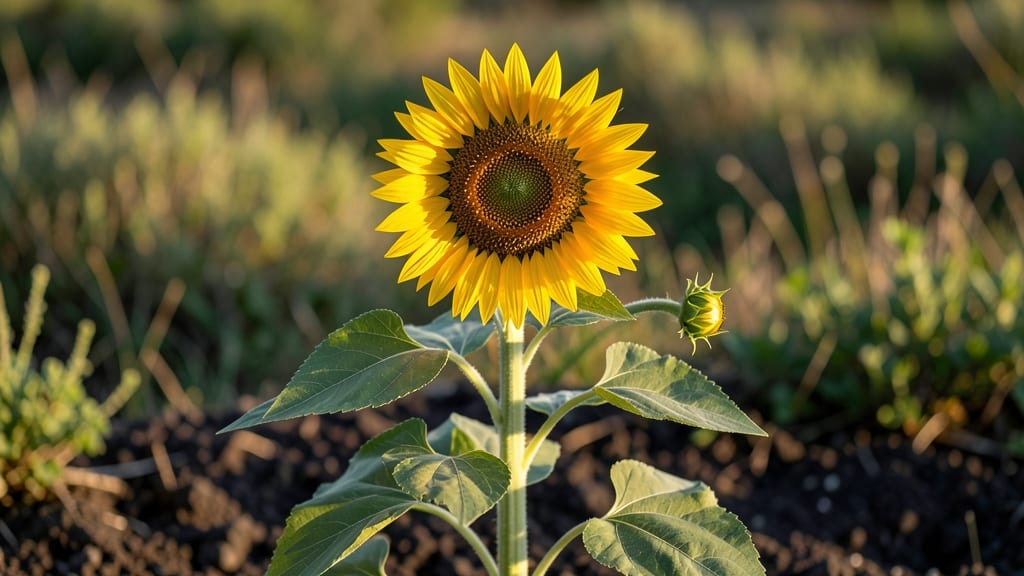
Sunflowers bloom in spring only in select hardy varieties like 'Autumn Beauty' or 'Mammoth,' which can regrow after frost when planted early in cooler climates with proper winter mulching.
Most sunflowers are summer bloomers because they thrive in long daylight hours, but certain perennial types—like Helianthus annuus—store energy in their roots during winter. 🌱 When spring arrives, these stored reserves fuel new growth, allowing them to produce flowers earlier than annual varieties.
The key is choosing frost-tolerant cultivars and protecting them with thick mulch (like straw or leaves) to shield roots from extreme cold.
For example, 'Autumn Beauty' sunflowers often survive mild winters and push out fresh blooms by late spring, while 'Russian Giant' varieties can handle USDA Zone 4 winters with the right care. Planting in early fall gives roots extra time to establish before dormancy, which maximizes spring reblooming potential.
Just remember: not all sunflowers are created equal—annual types like 'Mammoth' need summer warmth to perform their best.
💡 In This Article
- Sunflower Bloom Timing: How Frost Affects Growth Cycles
- Best Sunflower Varieties for Spring Blooms After Frost
Sunflower bloom timing: how frost affects growth cycles
Sunflowers primarily bloom in summer because their growth is triggered by photoperiodism—they need 12-16 hours of daylight to initiate flowering. Most annual varieties like 'Mammoth' are summer specialists, requiring warm soil temperatures (60-70°F) to germinate and grow.
However, perennial sunflowers (like Helianthus annuus) have evolved to store energy in their thick taproots during winter, allowing them to rebound when conditions improve. This stored energy acts like a natural battery, powering early spring regrowth before annual varieties even sprout.
The key difference lies in their cold tolerance: annual sunflowers die back completely in frost, while hardy perennials enter dormancy but retain living tissue. For example, 'Autumn Beauty' can survive -20°F with proper mulching, while 'Russian Giant' thrives in USDA Zone 4 winters.
Frost actually triggers dormancy in perennials, conserving energy until spring warmth reactivates growth. The timing of this rebloom depends on root reserves—plants with larger roots (like those established in fall) produce stronger spring growth.
What most gardeners miss is how frost timing affects reblooming potential. A light frost (28-32°F) may not kill annuals but can stunt them, while a hard freeze (below 20°F) will. Perennials, however, use frost as a cue to pause growth and redirect energy to roots.
This is why early-planted perennials often bloom 4-6 weeks earlier than annuals in the same climate. The trade-off? Perennial sunflowers may produce smaller flowers in spring compared to their summer counterparts.
Soil temperature plays a hidden role too. Even if air temps drop, sunflower roots stay warmer underground. In Zone 5-6, roots can remain 5-10°F warmer than surface temps, allowing dormant plants to survive and regrow when spring thaws.
This underground warmth explains why some sunflowers push through snow in late winter—it's not just about air temperature but the microclimate around their roots. 🌱
Here's the science: Perennial sunflowers produce buds at the base of stems that remain dormant until spring. These basal buds contain meristem tissue that's protected by the plant's woody stem base. When daytime temps consistently reach 50°F for 3+ days, these buds receive the signal to sprout.
Annuals lack this adaptation—their entire plant structure dies back, requiring complete regrowth from seed in spring.
For gardeners in cooler regions, this means strategic planting pays off. Fall-planted perennials develop stronger roots before winter, giving them a head start in spring. Annuals planted in spring must wait for soil warmth, often blooming 6-8 weeks later than reblooming perennials.
The difference comes down to whether you're growing from seed (annuals) or tapping into stored energy (perennials).