
Blooming
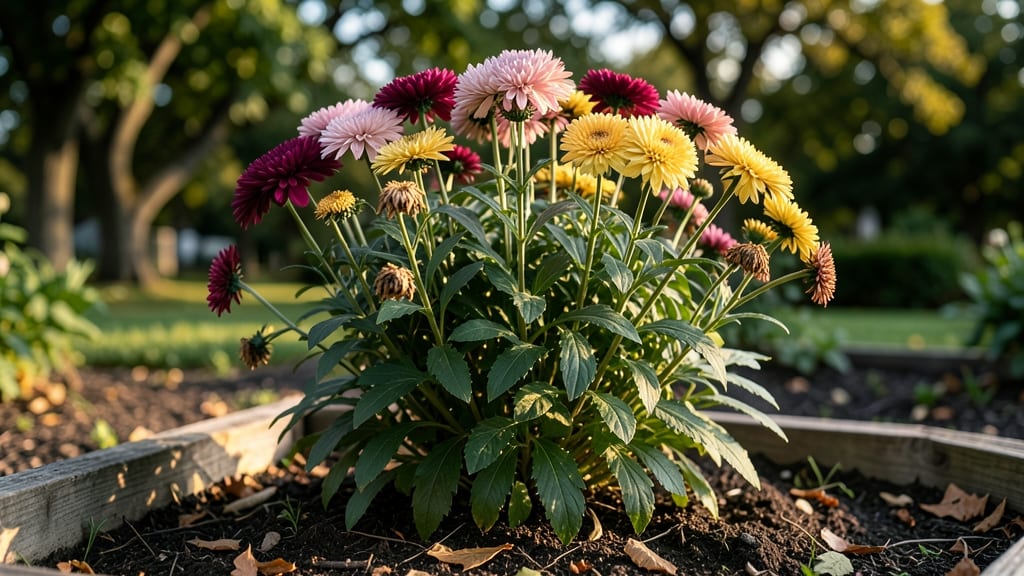
🌸 Most mums don't only bloom once—hardy varieties typically rebloom annually with proper care, while tropical types often flower once before dying back. The key difference lies in their growth habits and climate needs.
Mums come in two main categories: hardy perennials that return year after year and tropical annuals that bloom once and fade. Hardy mums, like those in zones 5-9, store energy in their roots during winter dormancy, allowing them to push out new blooms in fall.
Tropical mums, however, treat each season as a new life cycle, focusing all their energy on that single bloom phase. The good news? With the right pruning, fertilization, and seasonal adjustments, even tropical mums can sometimes surprise you with a second flush of flowers.
For example, I've seen gardeners extend tropical mum blooming seasons by deadheading spent flowers and providing consistent moisture. The trade-off? These second blooms are usually smaller but still add weeks of color. Understanding your mum's type and climate zone is the first step to planning for repeat performances.
💡 In This Article
- Why Mum Plant Blooming Cycles Vary by Type
- How to Encourage Repeat Mum Blooms Year After Year
Why mum plant blooming cycles vary by type
Mums belong to two distinct biological categories that determine their blooming habits: hardy perennials and tropical annuals. Hardy mums, like Chrysanthemum × grandiflorum, store energy in their root systems during winter dormancy, allowing them to regenerate and produce new blooms each fall.
This process relies on a 6-8 week chilling period (below 50°F) that triggers their growth cycle, similar to how fruit trees need winter dormancy to set buds.
The difference becomes clear when you examine their growth habits. Hardy mums develop woody stems that persist through winter, while tropical varieties grow as tender annuals that complete their life cycle in one season.
Tropical mums, such as Dendranthema types, focus all their energy on a single bloom phase because they originate from warmer climates where winter dormancy isn't a factor. This is why you'll often see tropical mums sold as one-season wonders in garden centers.
Sunlight exposure plays a crucial role in this variation. Hardy mums thrive in full sun (6-8 hours daily) and can tolerate partial shade, while tropical varieties often prefer morning sun with afternoon shade to prevent heat stress.
The wrong light conditions can delay blooming or reduce flower size—something I've observed when moving tropical mums from shaded patios to full sun too quickly. 💫
Temperature fluctuations also create dramatic differences. Hardy mums enter dormancy when nights drop below 45°F, conserving energy until spring. Tropical mums, however, lack this adaptation and will continue growing until frost kills them.
This biological difference explains why hardy varieties can rebloom for 3-5 years with proper care, while tropical types typically require replanting annually.
Consider the cultivar 'Autumn Joy'—a hardy mum that reliably produces 3-4 inch blooms in late September through October, often reblooming in spring if given consistent moisture.
In contrast, a tropical mum like 'Coca-Cola' will burst into vibrant red flowers once in summer but won't return unless you start new plants from cuttings. The key factor here is their genetic programming for survival in different climates.
What most gardeners don't realize is that even within hardy mums, there are disbudding varieties that produce larger single blooms versus spider mums that create clusters of smaller flowers.
The former focus energy on one spectacular bloom, while the latter spread their resources across multiple flowers—this trade-off affects both blooming frequency and flower size. 🌸