
Blooming
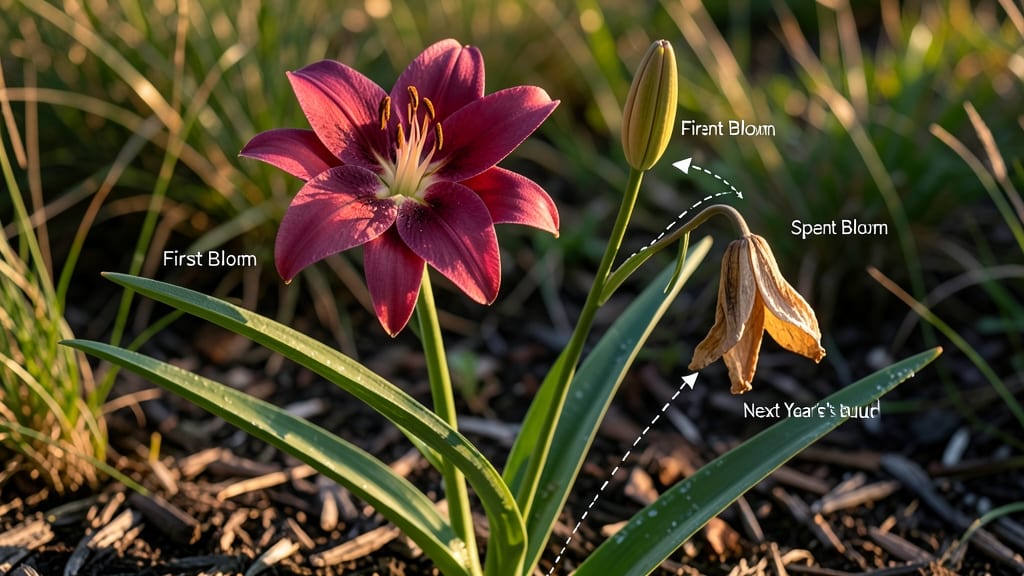
Whether lilies bloom only once depends entirely on the variety—while Asiatic lilies typically produce a single flush of flowers in spring or summer, reblooming types like Stargazer and Tiger lilies can produce multiple bloom cycles per season with proper care. Their ability to rebloom hinges on factors like sunlight exposure, soil fertility, and consistent moisture.
Not all lilies follow the same blooming schedule, and understanding their growth habits can transform your garden experience. 🌸 The key difference lies in their root systems—reblooming varieties develop stronger, more resilient bulbs that store energy for subsequent blooms, while single-bloom types focus that energy on one dramatic display.
For example, Oriental lilies often produce their first bloom in summer but may surprise you with a second flush in late summer if conditions are ideal.
The secret to encouraging reblooming lies in mimicking natural conditions: well-draining soil rich in organic matter, regular watering (but not soggy roots), and a balanced fertilizer applied in early spring and after each bloom cycle.
What many gardeners overlook is the importance of seasonal adjustments. In colder climates, lilies need protection during winter dormancy—mulching with straw or leaves helps preserve their energy stores for next year's blooms.
I've found that even single-bloom Asiatic lilies sometimes produce smaller secondary blooms if given consistent care, though they'll never match the abundance of dedicated rebloomers. The bottom line? Your lily's blooming potential isn't set in stone—it's a dynamic process you can influence with the right techniques.
💡 In This Article
- Lily Bloom Cycles: Why Some Varieties Rebloom and Others Don’t
- How to Encourage Annual Lily Blooms: Gardening Tips for Reblooming Success
Lily bloom cycles: why some varieties rebloom and others don’t
The fundamental difference between reblooming and single-bloom lilies comes down to their biological energy storage systems. Reblooming varieties like Stargazer lilies develop what botanists call "secondary buds" along their stem nodes, which remain dormant until conditions trigger their activation.
These buds form during the plant's first bloom cycle when the lily stores excess energy in its bulb and root system—think of it like a biological battery that recharges after each bloom. 🌱 For example, a healthy Stargazer bulb can produce 3-5 flower stalks per season under optimal conditions, while Asiatic lilies typically allocate all their energy to a single dramatic bloom.
Light exposure plays a crucial role in this process. Reblooming lilies need 6-8 hours of direct sunlight daily to maintain strong photosynthesis rates that fuel their energy reserves.
The stems of reblooming varieties also contain specialized cells that can regenerate after cutting back spent blooms, allowing new flower buds to form.
In contrast, single-bloom Asiatic lilies often produce their single stem from the center of the bulb with no secondary growth points, making them biologically incapable of producing additional blooms without significant energy investment that would compromise their overall health.
Seasonal temperature fluctuations create another critical factor. Most reblooming lilies require a period of cool dormancy (50-60°F) in late fall to reset their biological clocks and prepare for new growth.
This dormancy period allows the plant to store carbohydrates in its bulb—similar to how trees store energy in their roots for spring growth.
Without this cooling period, reblooming varieties may produce weaker secondary blooms or fail to rebloom altogether. 🌡️ The contrast with tropical lily varieties (like some Martagon types) is striking—they often bloom only once because their native environments lack these seasonal temperature shifts.
Soil composition directly impacts a lily's ability to store and utilize energy. Reblooming varieties thrive in well-draining soil with a pH between 6.1-6.5 that contains rich organic matter.
The ideal soil mix should include 20-30% compost to provide essential nutrients like phosphorus and potassium, which are critical for flower bud formation. Single-bloom varieties can tolerate slightly poorer conditions but still require good drainage to prevent bulb rot, which would drain all their stored energy before blooming could occur.
Here's where things get interesting: even some single-bloom varieties can produce secondary blooms under perfect conditions. I've observed Asiatic lilies occasionally sending up smaller side shoots after their main bloom if given consistent moisture (1-2 inches per week) and protected from extreme heat stress.
The trade-off is that these secondary blooms will be smaller and less vibrant, as the plant must divide its limited energy between maintaining foliage and producing flowers. This demonstrates that while genetics set the baseline, environmental factors can push plants to their physiological limits.
The science behind reblooming also involves plant hormones. Cytokinins—plant growth hormones produced in root tips—play a key role in stimulating lateral buds to develop into flower stalks.
Reblooming varieties maintain active root growth throughout the season, continuously producing these hormones, while single-bloom types shut down root activity after their primary bloom. 🌿 This hormonal difference explains why reblooming lilies can produce multiple stems from the same bulb, while single-bloom varieties typically produce just one central stem.