
Blooming
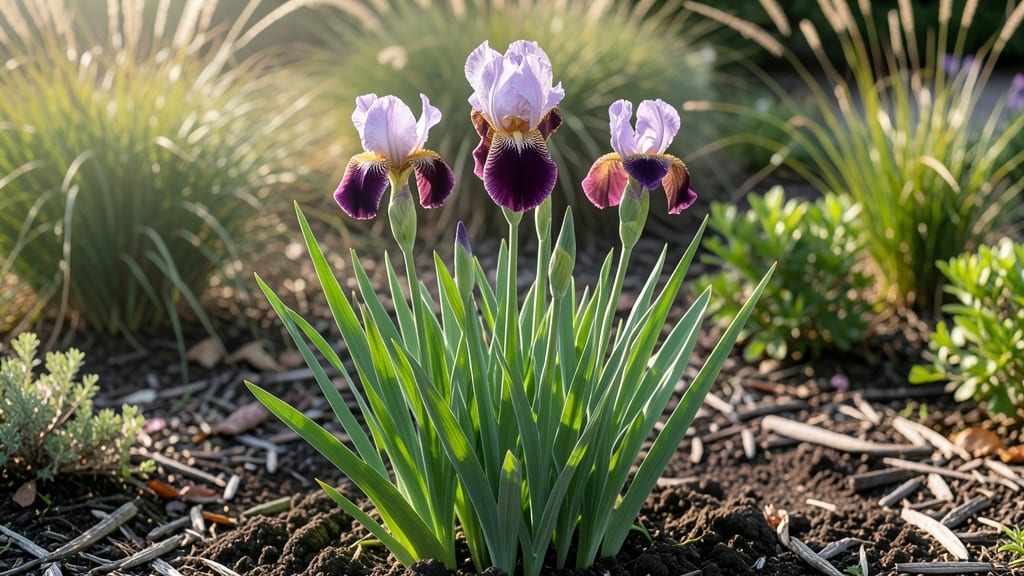
Iris blooms do not last all summer—most varieties flower for just 2-3 weeks in spring, though reblooming types like Louisiana irises may produce sporadic blooms in late summer with proper care and heat tolerance. Cool-season irises typically rest after their primary bloom cycle.
Most irises follow a natural seasonal rhythm tied to temperature and daylight changes. 🌸 The classic spring-blooming varieties—like the popular bearded irises—enter dormancy after their peak display, conserving energy until next year.
Reblooming types, however, can surprise you with occasional summer flowers if you provide consistent moisture and protect them from extreme heat. The key difference lies in their genetic adaptation: Louisiana irises, for example, evolved to handle warmer climates, while Siberian irises may need afternoon shade to prevent stress.
What many gardeners don't realize is that even reblooming irises need a proper rest period. 🌿 Skipping their summer dormancy can weaken future blooms, so I recommend letting them recover in late summer before encouraging any fall or winter growth.
This balance between care and natural cycles determines whether your irises will reward you with multiple bloom seasons or just one spectacular spring show.
💡 In This Article
- Iris Bloom Cycles: Spring vs Reblooming Varieties
- Extending Iris Bloom Seasons with Care Tips
Iris bloom cycles: spring vs reblooming varieties
The classic spring-blooming irises—like the beloved bearded varieties—follow a strict seasonal pattern driven by photoperiodism.
These plants detect shortening daylight hours in late spring, triggering a hormonal shift that signals the end of their bloom cycle. 🌸 The rhizomes (underground stems) then enter a dormancy phase, redirecting energy toward root and leaf growth rather than flower production.
This biological process explains why your vibrant spring display fades by early summer, even with perfect care.
Reblooming irises, such as Louisiana and Siberian types, have evolved different survival strategies. Louisiana irises, native to swamps and bayous, developed heat tolerance through their adaptation to humid, warm climates. Their blooming cycles can extend into late summer if temperatures stay below 90°F and moisture levels remain consistent.
Siberian irises, while hardy, typically bloom earlier (May-June) but may produce sporadic flowers in fall if given afternoon shade to prevent leaf scorch from intense summer sun.
The key difference lies in their growth patterns: traditional irises produce all their flower buds in winter, while rebloomers often generate new buds throughout the growing season.
This explains why Louisiana irises might surprise you with 1-2 weeks of blooms in August—their secondary flush occurs when daytime temperatures dip below 85°F and nighttime humidity rises above 60%. The trade-off? These varieties require more consistent care to maintain their energy reserves.
What most gardeners overlook is the role of temperature fluctuations. Bearded irises need a period of 60-90 days below 50°F to properly reset their biological clocks. Without this chilling period, they may produce weak stems or no flowers at all.
Rebloomers, however, can sometimes break this cycle if summer conditions remain mild—think of them as the "athletes" of the iris world that can push through extra seasons with proper training (aka care).
Consider this comparison: A standard bearded iris might give you 2-3 weeks of peak blooms in May, while a Louisiana iris could reward you with 3-4 weeks total**—split between spring and late summer.
The difference comes down to their genetic programming: one plays by strict seasonal rules, while the other has more flexibility in its schedule. This biological diversity is why iris varieties are so fascinating to grow!
For visual learners, imagine two clocks: one ticking steadily through spring (bearded iris) and another with a pause button that can be pressed under ideal conditions (reblooming types).
The latter gives you more opportunities to enjoy those dramatic, sword-like blooms, but requires you to play a more active role in their care routine. 🌿