
Blooming
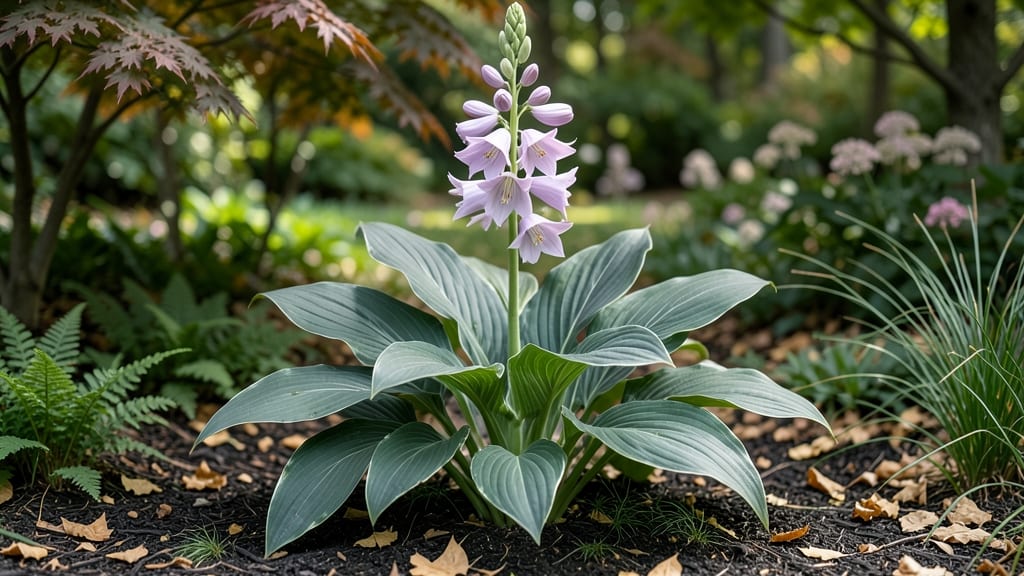
Hostas do bloom flowers, producing tall stalks with bell-shaped blooms in late summer to early fall, though their foliage—not flowers—is their primary appeal. Flowering frequency varies by variety, with some blooming annually and others sporadically or not at all.
While hostas are prized for their lush foliage, their delicate bell-shaped blooms add unexpected charm to gardens. 🌸 The timing of these flowers—typically appearing in late summer or early fall—often coincides with peak garden interest, offering a late-season show.
What's fascinating is how genetics play a role: some hostas, like 'Halcyon' or 'Blue Angel,' prioritize flower production, while others focus more on leaf development. Proper care, including balanced fertilization and adequate sunlight, can encourage more frequent blooming, though even well-maintained plants may surprise you with sporadic flowering patterns.
For gardeners who want to maximize both foliage and flowers, choosing the right variety is key. Many hybrid hostas now combine stunning leaves with reliable blooms, making them perfect for gardeners who appreciate both aspects.
The trade-off between leaf size and flower frequency is a common consideration—larger leaves often mean fewer blooms, while smaller-leaved varieties may flower more prolifically.
💡 In This Article
- Hosta Flowering Science: Why Some Varieties Bloom More Than Others
- Best Hosta Varieties for Reliable Flowers and Care Tips
Hosta flowering science: why some varieties bloom more than others
Hostas allocate their energy between two competing priorities: developing lush foliage and producing flowers. This botanical trade-off explains why some varieties bloom reliably while others focus primarily on leaf growth. The key factor is a plant's genetic programming—specifically, how it prioritizes resources during its growing season.
Varieties like 'Halcyon' dedicate about 20-30% of their energy to flowering, while others like 'Francee' may allocate only 5-10% to blooms, leaving the rest for leaf development.
The flowering process begins when hostas receive sufficient sunlight—typically 4-6 hours of direct light daily.
This triggers photoperiodism, where the plant's internal clock detects longer daylight hours in late summer. 🌞 The resulting flower stalks can reach 12-36 inches tall, depending on the variety, and bear clusters of pale lavender or white bell-shaped blooms.
What's fascinating is how soil fertility affects this process: nitrogen-heavy soils promote leafy growth at the expense of flowers, while balanced fertilizers with phosphorus and potassium encourage blooming.
Age plays a crucial role too. Young hostas (under 3 years old) often prioritize root and leaf development, saving their energy for flowering later. This is why many gardeners report their hostas don't bloom until they're 4-5 years old.
The plant's maturity directly correlates with its ability to support both foliage and flowers simultaneously. Even then, environmental stressors like drought or competition from neighboring plants can shift this energy balance back toward survival rather than reproduction.
There's also a fascinating variation between early and late-season bloomers. Early varieties like 'June' typically flower in late June to July, while late bloomers such as 'Guacamole' peak in September to October.
This timing difference reflects evolutionary adaptations—early bloomers take advantage of summer pollinators, while late bloomers capitalize on fall's cooler temperatures and reduced competition. The flower stalks themselves are sterile and don't produce seeds, which is why hostas rely on division rather than seed propagation to maintain their characteristics.
One often-overlooked factor is the plant's carbohydrate reserves. Hostas store energy in their rhizomes (underground stems) during the growing season. When these reserves are depleted—through poor soil, insufficient water, or aggressive harvesting—the plant may skip flowering entirely.
This energy storage system explains why hostas often bloom more prolifically after a year of optimal growing conditions. The interplay between genetics, environment, and plant physiology creates the wide variation we see in hosta flowering patterns.
For gardeners interested in maximizing blooms, understanding these scientific principles allows for more strategic care.
The key is creating conditions that support both foliage and flower development simultaneously—something that requires careful balance. 🌿 What most people don't realize is that even the most reliable blooming varieties may produce fewer flowers in shaded conditions, proving that hostas are more complex than their simple appearance suggests.