
Blooming
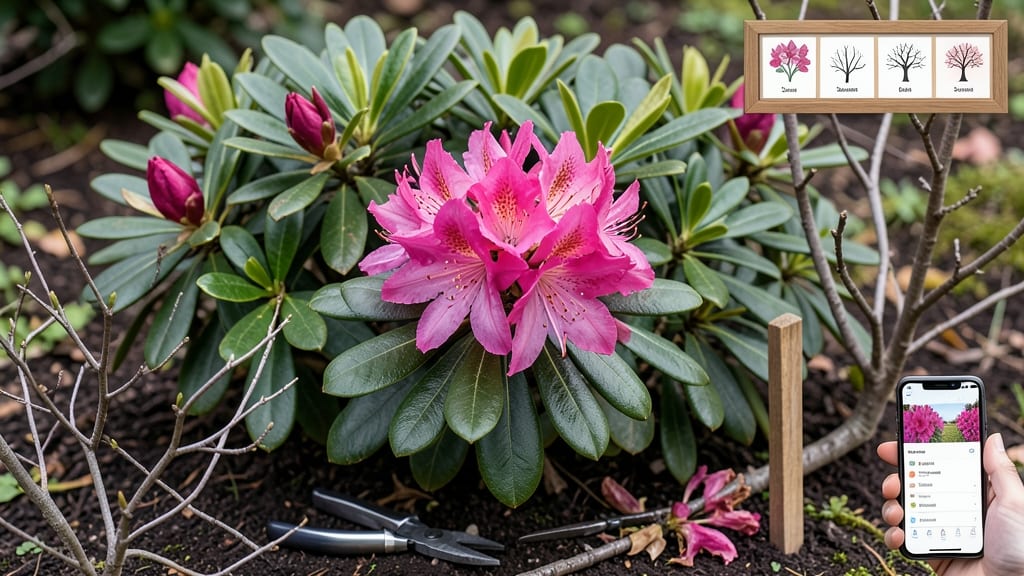
Azaleas do not bloom all year—most varieties flower primarily in spring, with occasional late-summer reblooms. Everblooming types like 'Birk's Pink' or 'Coral Bells' produce flowers intermittently, but their cycles depend heavily on climate and care. Consistent pruning and balanced fertilization can encourage more frequent blooms.
Most azaleas follow nature's seasonal cues, blooming when days lengthen and temperatures rise in spring. 🌸 The exception is everblooming varieties, which have been selectively bred to produce flowers multiple times—but even these need ideal conditions.
I've seen 'Southern Indica' azaleas push out fresh blooms in late summer if given proper aftercare, including regular watering and protection from sudden cold snaps. The key difference lies in their genetic makeup, where these varieties maintain active growth cycles rather than entering full dormancy.
What many gardeners overlook is how climate zones affect reblooming. In warmer southern regions (USDA zones 7-9), azaleas often produce a second flush of flowers, while northern varieties may only bloom once. Proper pruning after each bloom cycle—cutting back about one-third of the oldest stems—helps redirect energy toward new flowers.
I always recommend using a slow-release fertilizer in early spring to give plants the nutrients they need for sustained blooming.
💡 In This Article
- Why Most Azaleas Bloom Seasonally (And How to Extend Their Season)
- Best Everblooming Azalea Varieties for Year-Round Color
Why most azaleas bloom seasonally (and how to extend their season)
Azalea blooming follows strict botanical triggers tied to seasonal changes. These plants rely on a combination of daylight hours and temperature shifts—typically blooming when days lengthen in spring (12-14 hours of light) and temperatures rise above 50°F.
The process begins when buds form in late summer/fall, but they only open when the plant receives consistent warmth and moisture. Most azaleas enter dormancy in winter, conserving energy until spring's ideal conditions return. This seasonal pattern explains why you'll see peak blooms between March and May in most regions.
The genetic difference in everblooming varieties comes from their ability to maintain partial growth cycles. While standard azaleas produce one flush of flowers and then focus on foliage, everbloomers like 'Birk's Pink' have been bred to produce flowers intermittently.
These varieties can rebloom in late summer or fall if given proper care, but they still need 6-8 weeks of recovery time between bloom cycles. The trade-off is that their flowers tend to be slightly smaller and less abundant than spring blooms.
Climate plays a huge role—azaleas in USDA zones 7-9 often rebloom naturally, while those in cooler zones (5-6) may need extra protection to encourage second flushes.
Pruning strategy makes all the difference in extending bloom seasons. After each flowering cycle, remove about one-third of the oldest stems to encourage new growth. This stimulates the plant to produce more buds for potential reblooming.
I've found that pruning right after spring blooms—when new growth is visible—gives plants enough time to recover before late summer. Fertilization timing is equally critical: use a balanced 10-10-10 fertilizer in early spring and again after summer blooms to support continuous flowering.
Mulching with 3-4 inches of organic matter helps maintain soil moisture and temperature, which is crucial for bud development.
Light conditions also influence reblooming potential. Azaleas need partial shade (30-50% sunlight)—too much direct sun can stress the plant and reduce flowering. In hot climates, afternoon shade becomes particularly important. The plant's natural defense mechanism is to conserve energy during heatwaves, which can delay or prevent reblooming.
I've noticed that everblooming varieties in containers often perform better because their root systems stay cooler and more consistently moist. This controlled environment helps maintain the ideal conditions for intermittent flowering throughout the growing season.
What most gardeners don't realize is how cold snaps can disrupt reblooming cycles. Even everblooming varieties need protection when temperatures drop below 32°F. A light frost can damage new buds, while prolonged cold can force the plant into premature dormancy.
In my experience, applying 2-3 inches of mulch before winter and using frost cloths during late fall can make a dramatic difference in maintaining bloom cycles. The key is to protect the plant while still allowing it to experience the seasonal changes that trigger flowering hormones.
For those wanting year-round color, consider the Southern Indica group—these azaleas naturally produce flowers in spring and again in late summer to early fall. The secret to their success lies in their ability to handle heat and humidity while still maintaining active growth.
When planted in well-draining soil with regular moisture, they can produce stunning displays with minimal intervention. The trade-off is that their late-season blooms may be less abundant than spring displays, but the visual impact of pink or red flowers against summer greenery is hard to beat.
Remember that even everblooming varieties have limits. While they may produce flowers intermittently, they still follow seasonal patterns—just on a more extended timeline. The goal should be to create optimal growing conditions that minimize stress and maximize the plant's natural flowering cycles.
With the right care, you can enjoy azalea blooms for 4-5 months instead of just a few weeks in spring. 🌸