
Blooming
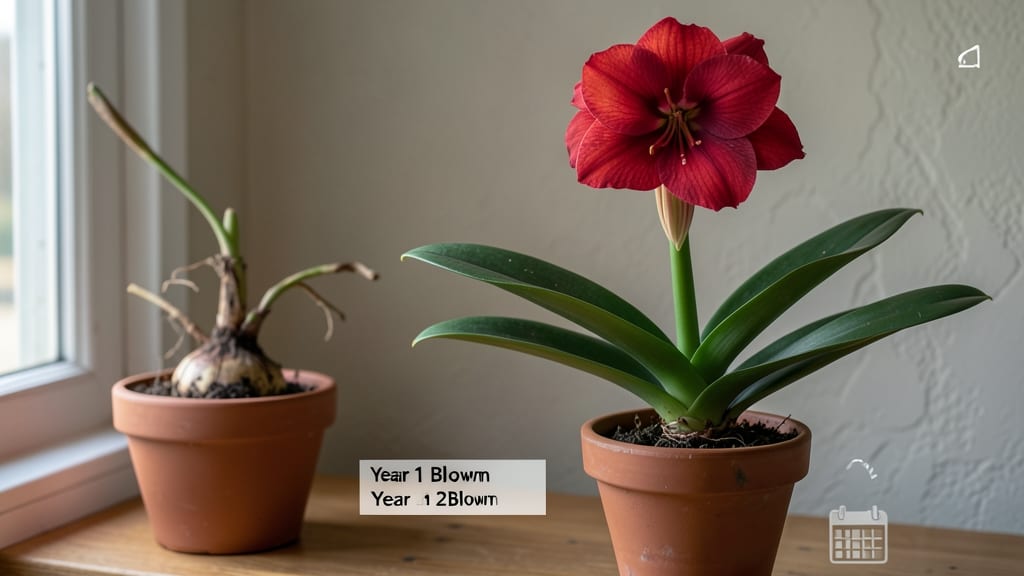
No, amaryllis do not bloom every year under normal conditions—they need a 6-8 week dormancy period with cooler temperatures and less water to trigger flowers. While proper care can encourage annual blooms, most varieties require 2-3 years to mature before flowering reliably.
Amaryllis bulbs are naturally programmed to enter dormancy after their first bloom cycle, mimicking their native seasonal patterns. 🌱 This rest period allows the bulb to store energy for next year's flowers, much like how deciduous trees prepare for winter.
The key is replicating these conditions—keeping the bulb in a dry, cool spot (around 50-60°F) and reducing water to just enough to prevent shriveling.
Without dormancy, the plant focuses all its energy on leaf growth rather than flower production, which is why many indoor amaryllis owners see blooms only every few years.
Interestingly, some hybrid varieties (like the popular Red Lion or Paper White types) are bred to be more forgiving, but even they need occasional rest. The first year after purchase is often the most productive, as the bulb is already mature.
After that, you'll need to actively manage dormancy to maintain regular blooming. Think of it like training a plant athlete—they perform best when given proper recovery time!
💡 In This Article
- Amaryllis Flowering Cycle: Science Behind Dormancy and Growth
- How to Encourage Annual Amaryllis Blooms: Step-by-Step Care Guide
Amaryllis flowering cycle: science behind dormancy and growth
Amaryllis bulbs follow a natural life cycle that mirrors their wild ancestors in South Africa, where seasonal droughts trigger dormancy. When temperatures drop below 60°F and water becomes scarce, the bulb enters a metabolic slowdown.
This isn't just reduced growth—it's an active biochemical process where the plant converts stored starches into sugars and hormones like florigen, which later signal flower bud formation. 🌟 During dormancy, the bulb's root system shuts down, conserving energy while the top growth withers away.
The science gets even more fascinating when comparing tropical and temperate varieties. Tropical amaryllis (like Hippeastrum hybrids) are more flexible—they can bloom year-round if given consistent warmth and light, but they still need a short 4-6 week rest period to reset their flowering cycle.
Temperate types (closer to Belladonna lilies) are stricter, requiring 8-10 weeks of cooler conditions (50-55°F) to produce flowers. This explains why store-bought amaryllis often bloom spectacularly first year, then struggle—most commercial bulbs are pre-matured to force early blooms, then need proper dormancy to repeat the performance.
Bulb maturity plays a critical role in bloom frequency. Younger bulbs (under 3 years old) may only produce 1-2 flowers per stalk, while mature bulbs can support 6-12 blooms. The key is bulb size—bulbs over 8 inches in diameter have more stored energy to fuel multiple flower stalks.
What most people miss is that each bloom cycle actually reduces the bulb's energy reserves slightly, which is why consistent annual blooming requires careful management of light, nutrients, and dormancy conditions.
Light exposure during dormancy might surprise you—while you'd think darkness would help, amaryllis bulbs actually need bright, indirect light (like a north-facing window) to maintain their metabolic processes. Total darkness can cause the bulb to "forget" its flowering cues.
The temperature threshold is equally precise: below 45°F, the bulb risks cold damage, while above 65°F, it may never fully rest. This narrow range explains why many indoor growers in warm climates struggle—their bulbs never get the proper chilling period needed to trigger florigen production.
Here's what happens when you skip dormancy: The plant focuses all its energy on leaf growth, producing lush foliage but no flowers. This is called "vegetative dominance," where the plant prioritizes survival over reproduction.
You'll notice the leaves growing taller and greener than normal, while the bulb remains small and firm. In extreme cases, the bulb may even split or rot from overwatering during this forced growth phase. The good news?
Even if you miss a dormancy cycle, most amaryllis can recover with proper care—just be prepared for a 1-2 year delay before seeing blooms again.
One common misconception is that all amaryllis need the same care. Hippeastrum hybrids (the most common potted types) are more forgiving, while Amaryllis belladonna (the true species) are more particular about their dormancy requirements.
The latter often need complete leaf die-back** before restarting growth, while hybrids may continue with wilted leaves. This difference explains why some varieties bloom more reliably than others—it's not just about age, but also about matching care to the specific plant's native growing patterns.