
Crocosmia Bloom Time: Month-by-Month Guide by Variety and Zone

Blooming

Crocosmia Bloom Time: Month-by-Month Guide by Variety and Zone

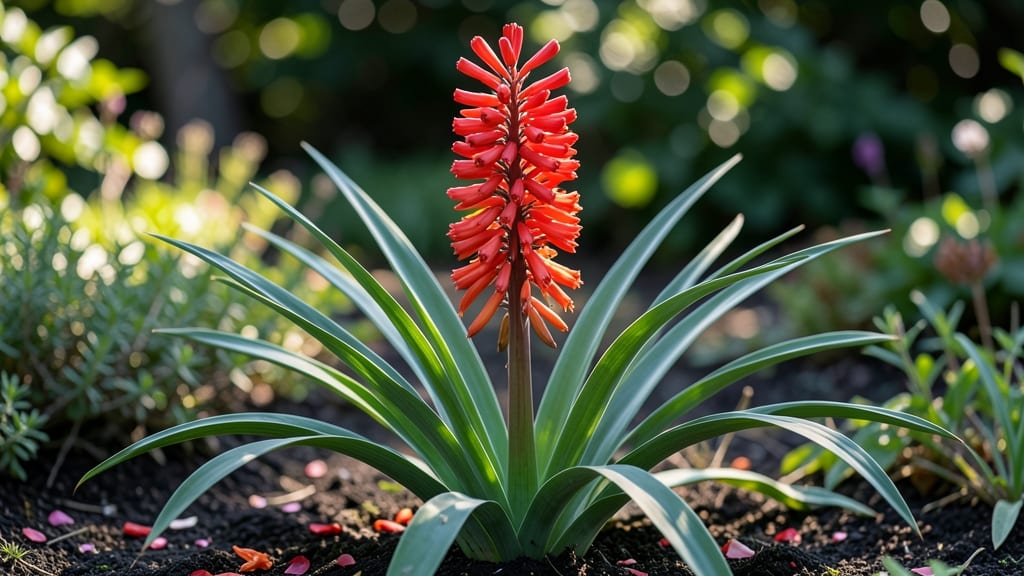
Crocosmia blooms in late summer to early fall 🌸, turning your garden into a fiery display of orange, red, and yellow spikes—but timing depends on your variety and zone.

If you’ve ever wondered when your crocosmia plants will burst into vibrant blooms—only to be disappointed by empty stems—this month-by-month guide will finally give you the answers you need, tailored to your specific variety and hardiness zone.

From ‘Lucifer’’s bold red flames to ‘Emily McKenzie’’s delicate pink plumes, each type has its own schedule, and climate plays a bigger role than you might think. Too much shade? Blooms will lag. Overcrowded? They might skip flowering entirely.

Here’s how to predict your crocosmia’s peak season, extend those show-stopping blooms, and troubleshoot if your plants play hard to get—without jargon or guesswork.

When crocosmia blooms: exact months by popular variety (with hardiness Zone adjustments)

Crocosmia, also called montbretia, is a showstopper in late-summer gardens with its fiery arching flower spikes. But bloom times vary wildly—some varieties burst into color by July, while others wait until September.

The key? Your USDA zone and the specific variety you're growing. Let's break down exactly when to expect those dramatic orange, red, or yellow blooms based on real gardener data.

Most crocosmia varieties bloom between mid-July and early September, but cooler zones (like Zone 5) may see delayed blooms until August. Warmer zones (like Zone 9) often enjoy earlier and longer flowering periods.

Below, I’ve organized the top 8 varieties by bloom window, including visual cues to help you identify when your plants are ready to shine.

🌱 Pro Tip: All crocosmia varieties produce foliar rosettes in spring—this is your first clue that blooms are coming. Look for upright flower stalks emerging in late spring as the definitive sign to mark your calendar.

Variety Bloom Time (Zones 5-6) Bloom Time (Zones 7-8) Bloom Time (Zone 9) Visual Cues
'Lucifer' Late July - Mid August Early July - Early August Late June - July Deep crimson-red blooms; 3-4 ft spikes
'Emily McKenzie' Mid August - Early September Late July - Mid August Late July - Early August Orange-yellow flowers; 2-3 ft height; nodding blooms
'Fireworks' Early August - Late August Late July - Early August Mid July - Late July Bicolored (red/yellow); compact spikes; 1.5-2 ft tall
'George Davison' Late July - Mid September Early August - Late August Late July - Early September Bright orange; tallest variety (3-4 ft); arching stems
'Walkers Low' Mid August - Early September Late July - Mid August Late July - Early August Dwarf variety (1.5-2 ft); deep red blooms
'Crocosmia pottsii' Early September - October Late August - September Late August - Early October Late bloomer; yellow-orange; slender spikes
'Lady Livingstone' Late August - Mid September Early August - Late August Late July - Early September Orange-red; upright growth; 2.5-3 ft
'George Henry' Mid August - Late September Late July - Mid September Early August - Early October

How to extend crocosmia bloom time: proven tips for longer, more abundant flowers

If your crocosmia plants produce stunning blooms for just a few weeks, you’re not alone! Many gardeners struggle with short bloom cycles, but with the right care, you can extend that vibrant display by 3-6 weeks.

The secret lies in understanding your plant’s needs—from soil nutrition to strategic pruning and watering. Let’s dive into actionable tips tailored for USDA Zones 7-9, where crocosmia thrives year after year.

First, focus on soil health. Crocosmia loves well-draining soil with a pH between 6.0-7.0. Amend your garden beds with compost or aged manure in early spring to provide essential nutrients without overwhelming the plant.

A balanced fertilizer (10-10-10) applied in late winter gives roots the energy they need to produce more robust flower spikes. Avoid over-fertilizing, as this can lead to lush foliage but fewer blooms.

🌱 5 Proven Ways to Extend Crocosmia Bloom Time

  1. 1. Soil Prep: Test pH and amend with compost for optimal nutrient uptake.
  2. 2. Pruning: Cut back dead foliage in early spring to redirect energy to new growth.
  3. 3. Watering: Deep water once weekly during dry spells to prevent stress.
  4. 4. Mulching: Apply 2-3 inches of mulch to retain moisture and regulate soil temp.
  5. 5. Winter Care: Protect rhizomes in Zone 7 with a thick layer of mulch.

Strategic pruning is another game-changer. After the first flush of blooms fades, trim the spent flower stalks back to the base—but leave the lower leaves intact. This encourages the plant to store energy in its rhizomes for next year’s blooms.

In late summer, you’ll often see a second wave of flowers emerge if you’ve pruned correctly. For varieties like 'Emily McKenzie', this second bloom can be just as vibrant as the first!

Watering plays a crucial role too. Crocosmia is drought-tolerant once established, but consistent moisture during bud formation (late spring to early summer) ensures longer bloom cycles. Water deeply in the morning to reduce fungal risks, and avoid overhead sprinklers that can damage delicate flower buds.

In Zones 8-9, where summers are hot, mulch heavily to lock in moisture and keep roots cool.

Don’t overlook winter care, especially in Zone 7. After the first frost, cut back the foliage to 2 inches above ground level and cover the area with 4-6 inches of mulch.

This protects the rhizomes from freezing and ensures a stronger rebound in spring. In Zones 8-9, minimal winter prep is needed, but a light mulch still helps maintain soil moisture during dry winters.

With these simple adjustments, your crocosmia will reward you with longer, more abundant blooms year after year. The key is consistency—feed, prune, and protect your plants at the right times, and you’ll enjoy those fiery plumes well into fall. Happy gardening! 🌻

★★★★★4.5(10 reviews)
Categories Blooming