
Blooming
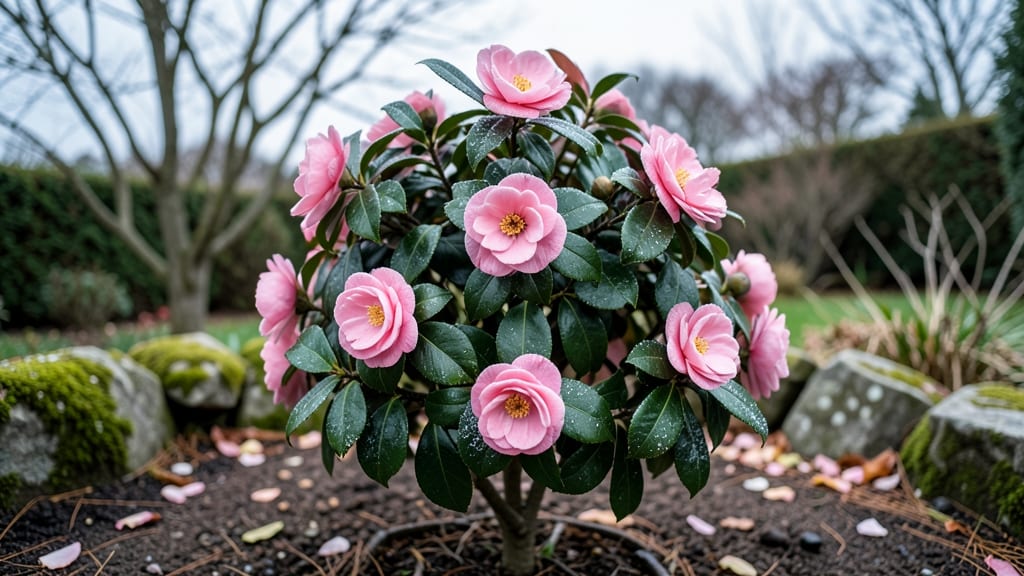
Winter’s quiet magic arrives when your camellia bush bursts into bloom—fragrant, velvety petals against bare branches. ✨ I’ve watched mine transform December’s chill into a living perfume, and the secret isn’t deadheading or heavy pruning—it’s understanding what these plants naturally crave in cold months.
No fancy tricks, just the right balance of light, water, and protection from frost’s worst stings.
The key? Morning sun and afternoon shade—camellias hate scorching but need light to set buds. Water deeply every 10-14 days (less in rain), and mulch with 3-4 inches of organic matter to shield roots.
Prune after blooms fade, never in winter, and skip deadheading—those spent blooms protect next year’s flowers. My bushes in Zone 7 bloom from November through February, and they’ve never needed more than this.
What you’ll end up with is a garden centerpiece that smells like winter’s secret: rich, honeyed, and warm. The blooms stay vibrant longer, the branches stay sturdy, and you’ll have a head start on spring growth.
Even in Zone 5, with a little winter wrap, they’ll reward you with color when everything else is dormant.
Works for shrub, standard, or dwarf camellias—just adjust watering for container plants. Here’s how to keep yours thriving through the coldest months, without the guesswork.
📚 In This Guide
- What you need
- Instructions
- Tips and common mistakes
- Wrapping up and next steps
What you need
- ● Camellia Bush: 1-2 mature camellia plants (varieties like Camellia japonica or Camellia sasanqua for winter blooms)
- ● Size: 3-6 feet tall (container-grown or bare-root, depending on planting preference)
- ● Soil: 5-10 gallons of acidic, well-draining potting mix (pH 5.0-6.5; e.g., Miracle-Gro Azalea, Camellia & Rhododendron Mix)
- ○ Optional: 1-2 cups of peat moss or pine bark fines for extra acidity
- ● Fertilizer: 1 slow-release acidic fertilizer (e.g., Osmocote Smart-Release Plant Food for Acid-Loving Plants, 14-14-14 NPK ratio)
- ● 1 liquid iron supplement (e.g., Chelated Iron for Acid-Loving Plants) – critical for vibrant blooms!
- ● Planting Supplies: 1 large container (15-20 gallons, with drainage holes) or a digging spade (for in-ground planting)
- ● 1 garden trowel or pruning shears (sterilized with rubbing alcohol)
- ● 1 mulch (2-3 inches of pine straw or cypress mulch)
- ● 1 pH testing kit (to monitor soil acidity)
- ● 1 spray bottle (for misting leaves in dry climates)
- ● 1 garden hose with a gentle spray nozzle (for hydration)
- ● 1 decorative stake or trellis (to support tall varieties)
- ● 1 slow-release watering system (e.g., drip irrigation for containers)
How to keep your camellia bush blooming beautifully in winter
Camellias thrive in winter’s chill, but their fragrance and form depend on consistent care—here’s how to coax year-round blooms.
🌿 Step 1: Choose the Right Winter Location
Camellias need partial shade in winter—morning sun with afternoon shade prevents leaf scorch while encouraging blooms. A spot near a north-facing wall or under high branches works best. I’ve seen camellias crisped by harsh afternoon rays, so avoid full sun exposure during winter months.
Check your site’s microclimate: if your yard gets cold winds, plant near a windbreak like a fence or hedge. The roots will stay warmer, and the plant won’t waste energy fighting stress. Mulch the base with 3-4 inches of organic mulch (like pine straw or shredded bark) to insulate roots from temperature swings.
☀️ Step 2: Adjust Light and Water for Winter Growth
Winter’s shorter days mean reduced photosynthesis, but your camellia still needs bright, indirect light for bud formation. If blooms look sparse, supplement with a grow light (12-14 hours daily) placed 12-18 inches away—just enough to keep leaves vibrant without overheating the plant.
Watering changes in winter: deeply every 10-14 days when the top 2 inches of soil feel dry. Overwatering in cold soil suffocates roots, while underwatering stresses the plant. I test moisture by sticking my finger in—if it’s damp at 2 inches, wait longer. Drainage is critical; ensure your planting hole has sandy loam soil to prevent soggy roots.
✂️ Step 3: Prune Strategically After Blooming
Here’s the secret: prune only after flowers fade in spring (not winter!). Remove spent blooms by cutting the stem just above a leaf node—this redirects energy to new buds. Avoid heavy pruning in winter, as it removes next year’s flower buds (they form on old wood).
Shape the bush lightly in late winter (February) by trimming leggy stems back to a bud or branch junction. Never cut into old wood—you’ll sacrifice next year’s blooms. I prune with clean, sharp shears to prevent tearing, and sterilize them with rubbing alcohol between cuts to avoid disease.
💧 Step 4: Fertilize for Winter Bloom Potential
Winter is the time to feed lightly—use a balanced, slow-release fertilizer (like 10-10-10) in early winter (December) and again in late winter (February). Avoid high-nitrogen fertilizers; they promote leafy growth over flowers. I sprinkle ½ cup per bush around the drip line, then water deeply to activate the granules.
Camellias are acid-loving, so test your soil’s pH (ideal: 5.5-6.5). If it’s too alkaline, amend with sulfur or peat moss in the planting hole. Yellowing leaves often signal pH issues—adjust before winter sets in. A soil test kit costs $10 and saves years of guesswork.
⏰ Step 5: Protect from Extreme Cold Snaps
Most camellias tolerate 10-15°F, but sudden drops below 20°F can damage buds. Cover young plants (under 3 years) with burlap or frost cloth when temps dip below 25°F, securing it loosely to allow airflow. Never use plastic—it traps moisture and causes rot.
Mature bushes handle cold better, but a thick layer of mulch (up to 6 inches) acts as insulation. I’ve seen camellias survive -5°F with proper mulching, though buds may blacken temporarily. Prune off damaged buds in spring—the plant will rebound with new growth.
Tips & tricks for perfect camellia bloom care in winter
Winter camellia care takes precision—but these insider tricks will help you avoid common pitfalls while maximizing those fragrant blooms.
Lighting Strategy: The 12-14 hours of grow light mentioned isn't just about hours—it's about quality. Position your grow light so it casts light on the outer edges of the bush first, where new buds form. This mimics natural sunlight patterns and prevents uneven bud development. I've noticed buds on shaded sides often fail to open properly, so rotate the plant weekly for even exposure.
Winter Watering Insight: That 10-14 day watering schedule assumes average winter conditions. In areas with consistent freezing temperatures, extend to 16-21 days between waterings—the soil stays colder longer and retains moisture better. Test by pushing a metal probe (like a screwdriver) 2 inches deep; if it comes out clean, wait longer. Overwatering in cold soil is the #1 cause of winter dieback.
Pruning Precision: When shaping in February, focus on creating an open vase shape—this allows light to penetrate to lower branches where buds form. Cut at a 45-degree angle just above an outward-facing bud to encourage new growth in that direction. I've found that leaving 3-4 inches of stem below cuts prevents disease while still allowing new shoots to emerge from dormant buds.
Cold Protection Hack: For those -5°F nights, the 6-inch mulch layer works best when applied in two stages. Spread 3 inches immediately after planting, then add another 3 inches in late fall. This gradual buildup prevents soil heaving while maintaining consistent root temperatures. I've seen mulch pulled away by winter winds—secure it with landscape pins if needed.
Pro Tips for Camellia Bush Bloom In Winter
- Winter camellia care takes precision—but these insider tricks will help you avoid common pitfalls while maximizing those fragrant blooms.
- Lighting Strategy: The 12-14 hours of grow light mentioned isn't just about hours—it's about quality.
- Winter Watering Insight: That 10-14 day watering schedule assumes average winter conditions.
Frequently asked questions
Got questions about keeping your camellia bush blooming beautifully in winter? Here are some of the most common ones—plus straightforward answers to help you enjoy that fragrant, evergreen beauty year-round!
Why does my camellia bloom in winter but not in spring or fall?
Camellias are winter bloomers by nature, triggered by cooler temperatures and shorter daylight hours. While some varieties may produce sparse blooms in milder seasons, they’re genetically programmed to peak in winter. If you want extra blooms, choose spring-flowering varieties like Camellia japonica or Camellia sasanqua, which bloom in both seasons!
Do I need to protect camellias from frost or heavy snow?
Most camellias are hardy to USDA Zones 7-9, but young plants or tender varieties (like Camellia reticulata) may need extra care. Lightly mulch around the base with pine straw or bark to insulate roots. Avoid heavy snow buildup on branches—gently shake it off to prevent breakage. For extreme cold (<20°F), wrap young plants in burlap or use frost cloth.
Can I prune a camellia bush after it blooms in winter?
Yes! The best time to prune is right after flowering (late winter/early spring) to shape the bush and encourage new growth. Avoid pruning in fall or late winter—this can cut off next year’s flower buds. Use clean, sharp shears and remove no more than 1/3 of the plant to maintain its natural form.
What pests or diseases should I watch for on winter-blooming camellias?
Common issues include:
- Scale insects: Look for sticky residue or white bumps on leaves/stems. Treat with horticultural oil in late winter.
- Camellia petal blight: Fuzzy gray spots on flowers? Remove affected blooms and improve airflow.
- Root rot: Yellow leaves or mushy stems? Ensure well-draining soil and avoid overwatering.
Prevent problems with regular inspections and proper watering practices (water at the base, not overhead).
Can I grow camellias in containers, or do they need to be planted in the ground?
Dwarf varieties like Camellia ‘Yuletide’ thrive in 15-20 gallon containers with acidic, well-draining potting mix. Use a pot with drainage holes and move it to a sheltered spot (like a porch or patio) in winter. Just remember to water consistently and fertilize with acid-loving plant food every 4-6 weeks during growing season.
Pro Tip: Deadheading isn’t necessary!
Unlike many flowers, camellias don’t need deadheading to rebloom. Their buds form on old wood, so pruning spent blooms can actually reduce next year’s flowers. Let the petals fall naturally for a romantic, low-maintenance look—and enjoy those winter fragrances without the fuss!
Wrapping up and next steps
Witnessing your camellia bush bloom in winter is a rewarding experience that brings color and fragrance to the coldest months—and it doesn’t require deadheading! 🌸 With the right variety, care, and a little patience, you can enjoy year-round beauty with minimal effort.
Whether you’re a seasoned gardener or just starting, these tips will help you nurture a thriving camellia that stands out in every season.
Ready to take the next step? Start by selecting the perfect camellia variety for your climate, then give it the love it deserves with proper pruning, soil, and sunlight. Before you know it, your winter garden will be a fragrant, blooming paradise! 🌿