
Blooming
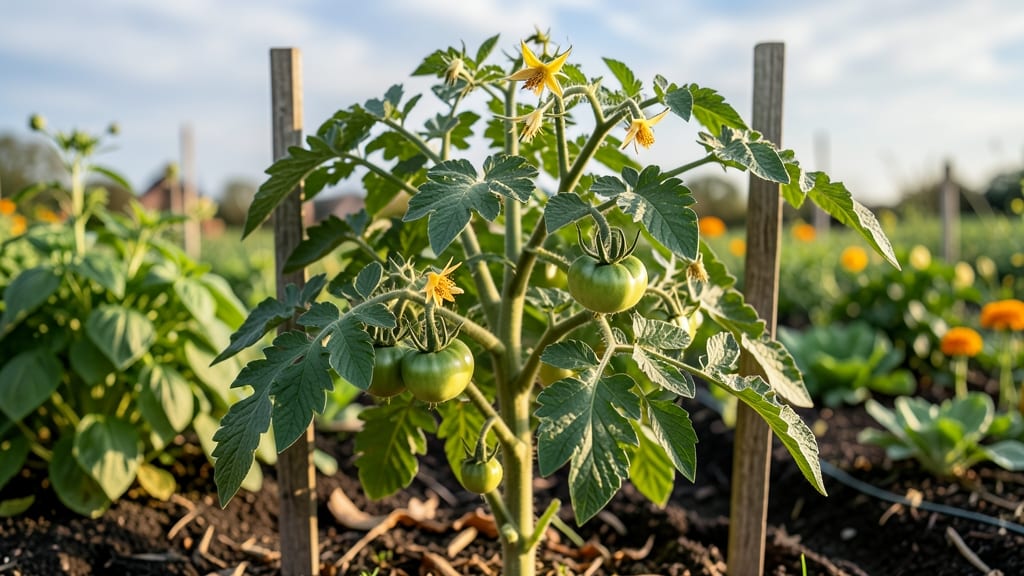
Your tomato plants are about to reveal their secret weapon—bloom set—the moment they shift from leafy growth to fruit production. 🌱 I’ve watched my own plants go from lush green walls to heavy tomato-laden branches just by understanding this hidden trigger, and it works whether you’re growing in pots or a full garden bed.
This isn’t just about waiting for flowers—it’s about creating the perfect conditions: 70-85°F days with cooler nights, consistent moisture, and just the right amount of sunlight. Too much heat or drought, and your plants will stall. Too little, and they’ll focus on leaves instead of fruit. The key?
Balancing it all so your plants say, “Okay, it’s time to grow tomatoes.” By the time you see those first tiny blossoms, you’ll know exactly how to coax your plants into a nonstop harvest season.
Even indoor growers can trick their plants into setting fruit with the right light and temperature tweaks—no greenhouse required. Here’s the game-changer: once you master bloom set, you’ll troubleshoot delayed blooming like a pro. Let’s get your tomatoes producing like they’re in a competition—because they are.
📚 In This Guide
- What you need
- Instructions
- Tips and common mistakes
- Wrapping up and next steps
What you need
- ● Tomato seeds or seedlings: Choose heat-tolerant varieties like 'Solar Fire,' 'Heatmaster,' or 'Celebrity' (3–6 plants, depending on space).
- ● Containers or garden beds: Containers: 5-gallon pots (1 per plant) with drainage holes.
- ● Garden beds: Well-draining soil, raised beds (12" deep), or in-ground plots (6' apart for vining types).
- ● High-quality potting mix: 50% organic matter (e.g., coco coir + compost blend) + 50% perlite/vermiculite (10–15 cubic feet).
- ● Fertilizer: Balanced organic fertilizer (10-10-10 or 5-5-5) at planting (1 tbsp per plant).
- ● Bloom booster (e.g., tomato-specific fertilizer like Fish Emulsion 5-1-1) for flowering (2 tbsp per gallon of water, every 2 weeks).
- ● Heat management tools: Shade cloth (30–50% coverage) for seedlings or extreme heat.
- ● Drip irrigation or soaker hoses (with timer for consistency).
- ● Support structures: Cages (6' tall) or stakes (6–8 ft) for indeterminate varieties.
- ● Grow lights: LED full-spectrum bulbs (for seedling stages or low-light areas).
- ● Mulch: Straw or black plastic to retain moisture and regulate soil temp.
- ● Mycorrhizal fungi: Inoculant to boost root health (mix into soil at planting).
- ● pH test kit: Aim for 6.0–6.8 (adjust with lime or sulfur if needed).
- ● Pollination aid: Small handheld fan (for indoor/low-pollination setups).
How to trigger bloom set for tomatoes in any season
Here's the method I use to coax tomatoes into flowering—even when they're stubborn about it.
🌱 Step 1: Identify the Right Growth Stage
Bloom set only happens when your tomato plants are at least 6-8 weeks old and have 4-6 true leaves. You'll notice the first flower clusters forming at the leaf axils (where leaves meet the stem). These are your first flower trusses, and they need precise conditions to develop properly.
If your plants are still small or leggy, hold off on bloom-set tricks. Focus first on stronger stems and more foliage—think of it like building a foundation before adding a second story. Weak plants won't support heavy fruit loads, so wait until they're sturdy enough to handle the extra energy flowering demands.
☀️ Step 2: Adjust Light and Temperature for Flowering
Tomatoes need 14-16 hours of light daily to trigger bloom set. If your plants are indoors or in short-day conditions, supplement with a grow light placed 2-4 inches above the canopy. I keep mine on a timer to mimic natural daylight extension—this consistency is what signals the plant it's time to flower.
Temperature matters just as much as light. Keep your plants in a range of 65-75°F during the day and 55-60°F at night. Too hot (above 85°F), and flowers drop before setting fruit. Too cold (below 50°F), and growth slows to a crawl. A small fan circulating air helps maintain even temperatures and prevents heat stress.
💧 Step 3: Water and Fertilize Strategically
Water deeply once every 2-3 days, letting the top 2 inches of soil dry out between waterings. Overwatering stresses plants and can cause blossom end rot later. I water at the base in the morning so foliage dries quickly—wet leaves at night invite fungal diseases like early blight.
Switch to a low-nitrogen, high-phosphorus fertilizer (like 5-10-10) when you see flower buds forming. Phosphorus encourages root and flower development, while nitrogen promotes leafy growth. I mix it at half-strength to avoid burning tender roots. Watch for dark green, healthy leaves with purple stems—that’s your sign the plant is getting the right nutrients.
⏰ Step 4: Use Heat Tricks to Force Flowering
For stubborn plants, I use a heat trick to mimic summer conditions. Place a heat mat under the pots (set to 75-80°F) for 12 hours a day. This warm root zone signals the plant it’s time to flower, even in cooler seasons. Pair this with supplemental grow lights for best results.
If you’re growing outdoors in cooler climates, cover plants with floating row covers during the day to trap heat. Remove them at night to prevent overheating. You’ll see flower buds form within 7-10 days of consistent warmth and light—watch for tiny yellow or white blossoms at the leaf axils.
✂️ Step 5: Prune and Support for Heavy Fruit Loads
Once flowers set, prune suckers (the small shoots growing between the main stem and branches) to direct energy to fruit production. I remove every other sucker to balance airflow and light penetration. Overcrowded plants struggle to support heavy fruit loads and are prone to disease.
Install cages or stakes now to support the plant as fruit develops. Tomatoes get top-heavy, and without support, stems snap under the weight. Tie the main stem loosely to the stake with soft plant ties, leaving room to grow. You’ll know you’re on track when flower clusters turn into small green tomatoes within 3-4 weeks.
Tips & tricks for perfect tomato bloom set
These practical tricks will help you coax even the most stubborn tomato plants into flowering like clockwork.
Growth Stage Matters: Wait until your plants are at least 6-8 weeks old with 4-6 true leaves before attempting bloom set. I learned this the hard way—rushing leads to weak stems that can't support fruit later. Look for sturdy stems and a bushy appearance before introducing heat tricks. This foundation ensures your plants can handle the energy demands of flowering.
Light Consistency is Key: Those 14-16 hours of light daily need to be consistent. I use a timer for my grow lights to mimic natural daylight extension—this reliability is what triggers flowering. Place lights 2-4 inches above the canopy for even coverage, and rotate plants daily if using a single light source to prevent lopsided growth. The goal is to create predictable conditions that signal the plant it's time to flower.
Temperature Balance Act: Maintaining the 65-75°F day/55-60°F night range is crucial—any deviation throws off the flowering process. I keep a small fan running to circulate air, which helps stabilize temperatures and prevents heat stress. If your space runs hot, move plants to a cooler location during peak afternoon hours. The 75-80°F heat mat trick works wonders for stubborn plants, but only use it for 12 hours daily to avoid overheating.
Pruning Precision: When pruning suckers in Step 5, remove every other sucker to maintain airflow while still allowing enough foliage for photosynthesis. I use clean, sharp pruners to make clean cuts just above the leaf axil. This balance prevents disease while directing energy to fruit production. Watch for tiny yellow or white blossoms at the leaf axils—this confirms your pruning strategy is working.
Pro Tips for Bloom Set For Tomatoes
- These practical tricks will help you coax even the most stubborn tomato plants into flowering like clockwork.
- Growth Stage Matters: Wait until your plants are at least 6-8 weeks old with 4-6 true leaves before attempting bloom set.
- Light Consistency is Key: Those 14-16 hours of light daily need to be consistent.
Frequently asked questions
Got questions about maximizing your tomato bloom set? Here are some of the most common queries—plus quick, actionable answers to keep your plants thriving year-round.
What’s the ideal temperature range to trigger bloom set in tomatoes?
The "sweet spot" for tomato flowering is 65–85°F (18–29°C). Below 55°F (13°C) or above 95°F (35°C), blooms may drop off (a condition called blossom drop). Use shade cloth or row covers in extreme heat, and mulch to stabilize soil temps.
How long does it take for blooms to set fruit after pollination?
With proper care, blooms typically set fruit in 7–14 days. Warmth and consistent pollination (hand-pollinate if indoors or in windless conditions) speed this up. If blooms fall off, check for stress—underwatering, temperature swings, or nutrient imbalances are often culprits.
Can I use bloom set sprays or fertilizers to boost fruit development?
Yes! Products like bloom set sprays (e.g., calcium nitrate or gibberellic acid) or low-nitrogen, high-phosphorus fertilizers (like 5-10-10) encourage fruit set. Pro tip: Apply sprays in the early morning when humidity is high for best absorption.
What are some alternatives if my tomatoes aren’t setting blooms in heat?
Try these heat-busting tricks:
- Prune suckers to reduce stress and focus energy on existing blooms.
- Use shade cloth (30–50%) to lower canopy temps by 10–15°F.
- Water deeply at the base (avoid wetting leaves to prevent disease).
- Switch to heat-tolerant varieties like ‘Solar Fire’ or ‘Heatmaster.’
Why are my tomato flowers falling off before fruiting?
This blossom drop usually stems from:
- Temperature extremes (too hot/cold).
- Inconsistent watering (drought stress).
- Over-fertilizing with nitrogen (prioritize phosphorus/potassium).
- Poor pollination (shake plants gently or use a small brush).
Check for pests (hornworms, aphids) too—they can stress plants. If the issue persists, adjust care and monitor for 3–5 days.
Wrapping up and next steps
Mastering the bloom set for tomatoes unlocks year-round harvests—even in heat! By leveraging heat-triggered rebounding, pruning, and strategic care, you’re not just growing tomatoes; you’re cultivating resilience. Whether you’re a seasoned gardener or just starting, these techniques prove that setbacks aren’t failures—they’re setup opportunities for bigger, healthier blooms.
Ready to put it into action? Start by monitoring your plants this week—adjust pruning or shading based on what you’ve learned. And if you’re eager for more, dive into heat-stress recovery tips or share your progress with fellow gardeners.
Your tomato dreams are closer than you think—now go make them bloom! 🌱✨