
Blooming
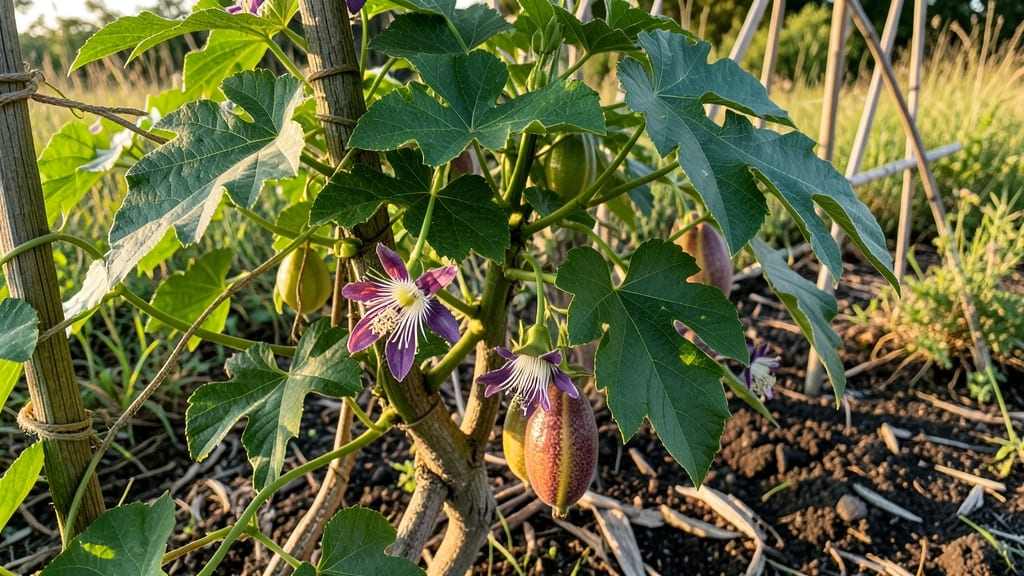
When passion fruit plants bloom, they produce second fruit cycles when kept in steady warm conditions—ideally between 80-90°F (27-32°C)—while needing less frequent watering and balanced nutrients to maintain healthy growth. Removing spent flowers and shielding vines from sudden cold dips helps maximize fruit output.
Passion fruit vines respond to heat like a well-timed cue, kicking off their second flowering cycle when temperatures stay consistently warm. 🌡️ This isn't just about warmth—it's about stability.
The vines need to sense reliable conditions before committing energy to new blooms, which is why sudden temperature swings can cause flowers to drop prematurely.
I've seen firsthand how a 5-10°F (3-6°C) drop at the wrong time can wipe out an entire flush of potential fruit, so monitoring your local forecast becomes part of the care routine during these sensitive periods.
What's fascinating is how these tropical plants balance their needs during heat flushes. While they crave warmth, they actually thrive on less water—too much moisture can stress the roots when combined with high temperatures. The key is to water deeply but infrequently, letting the soil dry out between sessions.
This mimics their natural growing conditions and prevents the common issue of blossom end rot in developing fruit. For fertilization, I recommend shifting to a lower nitrogen, higher potassium blend during this phase to support flowering and fruiting rather than leafy growth.
💡 In This Article
- How Heat Triggers Passion Fruit Second Flushes
- Care Adjustments for Passion Fruit During Hot Flushes
How heat triggers passion fruit second flushes
Passion fruit vines rely on a complex interplay of temperature and plant hormones to trigger their second flowering cycle. When daytime temperatures consistently reach 80-90°F (27-32°C), the vines enter a physiological state where ethylene production increases significantly.
This hormone acts like a biological switch, signaling the plant to shift from vegetative growth to reproductive mode.
The process begins when the vine's apical meristems (growth points) sense stable warmth, prompting lateral buds to develop into flower clusters. 🌡️ What's particularly interesting is how this response varies by variety—purple passion fruit (Passiflora edulis) tends to be more heat-sensitive than its yellow counterpart, often requiring slightly cooler nights (68-72°F / 20-22°C) to complete the flowering cycle.
The photoperiod (day length) also plays a crucial role in this heat-triggered response. Passion fruit vines are short-day plants, meaning they need approximately 11-12 hours of daylight to initiate flowering. When combined with consistent warmth, this creates an optimal environment for second flushes.
However, the magic happens during the transition periods—when temperatures rise from 70°F (21°C) to the ideal range, the vines experience what botanists call "thermal induction."
This is why gardeners in subtropical climates often see their best second flushes during late summer or early fall, when days are still long but nights remain warm enough to prevent stress. The key threshold is maintaining temperatures above 65°F (18°C) for at least 10-14 consecutive days.
What most growers don't realize is how heat stress can backfire if not managed properly. While warmth stimulates flowering, temperatures above 95°F (35°C) can cause pollen sterility in passion fruit flowers, leading to poor fruit set.
The vines also become more susceptible to heat shock, where sudden spikes above 100°F (38°C) can cause blossom drop within 24-48 hours. This is why providing afternoon shade (using 30-50% shade cloth) during peak summer months becomes essential in hotter climates.
The vines need to sense warmth without experiencing thermal stress—it's all about finding that sweet spot where the plant feels secure enough to invest energy in reproduction. 🌿
Seasonal adjustments are particularly important for gardeners in transitional climates. In regions with mild winters, passion fruit vines may produce multiple flushes throughout the year, while those in colder areas should focus on protecting the plants during their dormant period to ensure vigorous second flushes the following season.
The secret lies in maintaining consistent soil temperatures—using black plastic mulch can raise root zone temperatures by 5-10°F (3-6°C) during cooler periods, which helps trigger the flowering response even when air temperatures fluctuate. This technique works particularly well for container-grown passion fruit, where root insulation becomes critical.
Here's what's happening at the cellular level: Heat exposure increases the activity of specific enzymes that break down starches in the roots, converting them into sugars that fuel flower development. These sugars then travel through the phloem to the growing tips, where they stimulate cell division in the floral meristems.
The result is a cascade of hormonal signals that transform leaf buds into flower clusters. This biological process explains why passion fruit vines often produce more flowers than they can sustain—nature's way of ensuring some will survive despite environmental challenges. 🌸
For growers looking to maximize their second flush, timing is everything. The optimal window occurs when the first flush of fruit is approximately half-grown—this ensures the vine has enough energy reserves to support both existing fruit and new flower development.
Monitoring the vine's growth rate becomes crucial: healthy vines will show new leaf growth at the tips while developing flower clusters in the leaf axils.
If you notice leaves curling or yellowing during this period, it's a sign the plant is struggling to balance its energy demands, often due to either insufficient nutrients or excessive water stress.