
Blooming
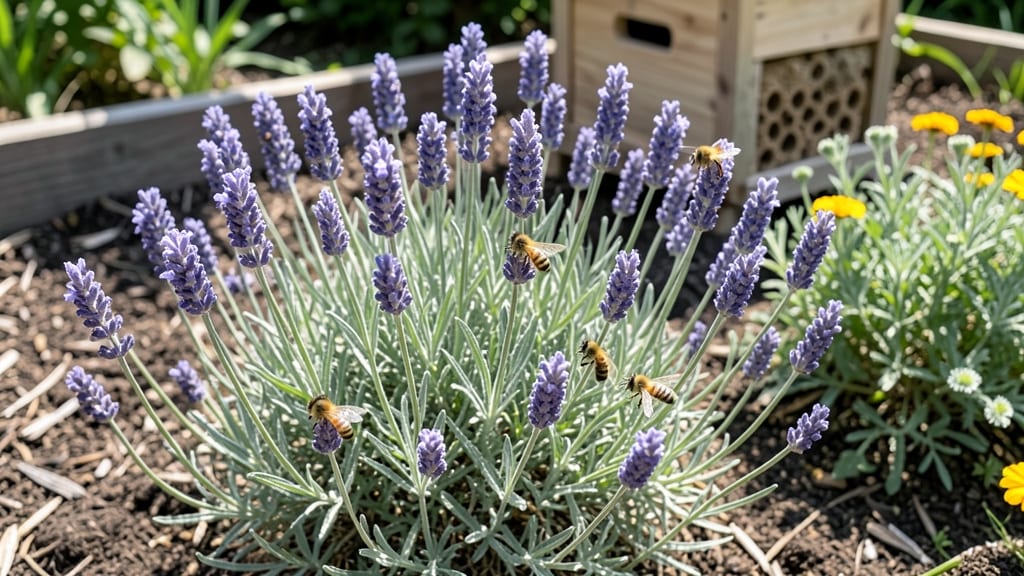
My garden’s bloom and bee secret weapon—the purple spikes that smell like spring even in January—is turning my yard into a winter buffet for pollinators. 🌿 These hardy plants—like lavender and Russian sage—bring color and scent when most gardens sleep, creating a haven for bees when they need it most.
The magic lies in layering plants that bloom early, mid-season, and late, creating a year-round bee highway. Start with evergreen shrubs like salvia for winter interest, then add spring bulbs, summer perennials, and fall asters. Even a small space can become a buzzing paradise with the right mix.
You'll watch bees work their magic from dawn till dusk, and your garden will look stunning in every season. The fragrance alone makes it worth the effort—imagine stepping into a purple-scented cloud on a chilly morning.
This works for city balconies, suburban yards, or rural acres. Let's design a garden that's as good for bees as it is beautiful!
📚 In This Guide
- What you need
- Instructions
- Tips and common mistakes
- Wrapping up and next steps
What you need
- ● Bloom and Bee plants: 3–5 young plants (bare-root or potted) for optimal spacing.
- ● Well-draining soil: Mix 60% native soil with 40% compost or perlite for aeration.
- ● Organic fertilizer: Slow-release, 10-10-10 blend (1 cup per plant at planting).
- ● Mulch: 2–3 inches of shredded bark or straw to retain moisture and insulate roots.
- ● Garden trowel or spade (for planting).
- ● Watering can or hose with a gentle spray nozzle (avoid overwatering!).
- ○ Gloves (optional but recommended for handling soil/roots).
- ● Sunlight access: Full sun (6+ hours daily) or partial shade (4+ hours).
- ○ pH test kit (optional): Ideal soil pH: 6.0–7.0 (slightly acidic to neutral).
- ● Epsom salt (1 tbsp per gallon of water) for magnesium boost.
- ● Pebble stones or decorative rocks for a polished garden bed.
- ● Drip irrigation system for low-maintenance watering.
How to grow purple coneflowers for year-round beauty
These hardy perennials thrive in nearly any climate and reward you with bold blooms that attract bees and butterflies.
🌱 Step 1: Choose the Right Location and Soil
Purple coneflowers (Echinacea purpurea) love full sun—plant them where they’ll get at least 6-8 hours of direct sunlight daily. I always pick a spot with good airflow to prevent fungal issues. The soil should be well-draining but moist; if yours is heavy clay, mix in 2-3 inches of compost to improve texture.
Dig a hole twice as wide as the root ball but only as deep as the container it came in. Loosen the sides of the hole to encourage root spread. Here's the thing—these plants hate soggy roots, so if your yard pools water, consider a raised bed or mound the soil slightly to improve drainage.
☀️ Step 2: Plant at the Correct Depth and Spacing
Place the plant so the top of the root ball sits level with the soil surface—burying the stem too deep can cause rot. Space plants 18-24 inches apart to give them room to grow without competing for nutrients. I like to plant them in groups of 3-5 for a bold, natural look.
Fill the hole halfway with soil, then gently press the plant to secure it. Finish filling the hole, firming the soil lightly as you go. Water deeply right after planting to settle the roots. You’ll know it’s done right when the soil looks evenly moist but not muddy.
💧 Step 3: Water Consistently for Strong Establishment
Keep the soil evenly moist (not soggy) for the first 4-6 weeks after planting. Water deeply 1-2 times per week, aiming for 1 inch of water total. You’ll see new growth within 2-3 weeks—that’s your signal everything is working.
Once established, coneflowers are drought-tolerant, but they’ll bloom better if you water during dry spells. Mulch with 2-3 inches of organic material (like shredded leaves or straw) to retain moisture and suppress weeds. Just don’t pile mulch against the stems—keep it 2-3 inches away to prevent rot.
✂️ Step 4: Deadhead and Prune for Longer Blooms
Cut back spent blooms in early fall to encourage a second flush of flowers. I use clean, sharp pruners and cut just above the first set of healthy leaves. This prevents the plant from seeding and redirects energy into next year’s growth.
In late winter or early spring, trim back the dead foliage to 4-6 inches above the ground. Don’t worry—new growth will emerge quickly. This pruning also improves airflow, reducing the risk of fungal diseases. Real talk: If you skip this, your plants might look messy but still bloom—just not as vigorously.
🪴 Step 5: Divide and Maintain for Longevity
Every 3-4 years, divide clumps in early spring to keep plants healthy. Dig up the entire plant, then separate the roots into 3-4 inch sections, each with 3-5 stems. Replant immediately in fresh soil. You’ll end up with 2-3 new plants per division—perfect for sharing with friends or filling gaps in your garden.
Fertilize lightly in early spring with a balanced, slow-release fertilizer (like 10-10-10). Too much nitrogen makes plants leafy but few flowers. Watch for Japanese beetles—they love coneflowers. Handpick them in the morning when they’re sluggish, or use neem oil as a natural deterrent.
Tips & tricks for perfect purple coneflower care
Took me a while to figure these out, so here goes—your secret weapon for year-round purple beauty that thrives even when frost comes calling.
Sunlight Strategy: Those 6-8 hours of full sun are non-negotiable, but here's what nobody tells you—morning sun is gentler than afternoon heat. If your garden gets intense afternoon rays, consider planting in a spot with morning sun exposure. The key is avoiding "sunburn" on the petals, which can happen when temperatures exceed 90°F during peak sun hours. Watch for slightly discolored or wilted petals as a warning sign.
Soil Science: The 2-3 inches of compost recommendation isn't just about drainage—it's about creating a microclimate. Mix in a handful of perlite or coarse sand if your soil compacts easily. I've found that adding a 1-inch layer of coarse sand at the bottom of planting holes creates instant drainage channels. This is especially helpful if you're planting in heavy clay or areas where water pools after rain. The goal is to mimic the loose, well-draining conditions these plants thrive in naturally.
Watering Wisdom: That 1 inch of water per week guideline works for average conditions, but I've learned to adjust based on rainfall. Use your finger to check soil moisture—if the top 2 inches are dry, it's time to water. The 4-6 week establishment period is critical: I set a reminder to check moisture every 2-3 days during hot spells. Overwatering here is the #1 reason coneflowers fail—roots need oxygen as much as they need moisture. A simple test: If water pools on the surface after 30 minutes, you're overdoing it.
Pruning Pro Tip: When deadheading in early fall, I always carry a small bag to collect the spent blooms. These seeds are highly invasive—if you don't remove them, they'll self-seed aggressively and create a wildflower meadow you might not want. For the spring pruning, I wait until late March when new growth is visible but still tender. This timing lets me clean up winter's mess without cutting into next year's blooms. And here's a bonus: the fresh green growth after pruning is irresistible to pollinators.
Pro Tips for Bloom And Bee
- Took me a while to figure these out, so here goes—your secret weapon for year-round purple beauty that thrives even when frost comes calling.
- Sunlight Strategy: Those 6-8 hours of full sun are non-negotiable, but here's what nobody tells you—morning sun is gentler than afternoon heat.
- Soil Science: The 2-3 inches of compost recommendation isn't just about drainage—it's about creating a microclimate.
Frequently asked questions
Got questions about Bloom and Bee? You’re not alone!
This hardy, frost-defying plant is a favorite for gardeners, but it’s natural to wonder about care, timing, and troubleshooting. Here are answers to the most common queries to help you grow your own fragrant purple spikes with confidence.
When is the best time to plant Bloom and Bee?
Plant Bloom and Bee in early spring or fall for optimal root establishment. Avoid extreme heat or frost—ideal soil temps are between 50°F and 70°F (10°C–21°C). If planting in late spring/summer, water deeply and mulch to protect roots until cooler weather arrives.
Can Bloom and Bee survive frost, or do I need to protect it?
One of its superpowers! Bloom and Bee is frost-tolerant down to 15°F (-9°C), but young plants or tender new growth may need light protection (like a frost cloth) in harsh winters. Established plants often bounce back beautifully after light freezes—just trim back damaged foliage in spring.
How often should I water Bloom and Bee, and what’s the ideal soil?
Water deeply once a week (more in extreme heat) to encourage strong roots. It thrives in well-draining, slightly acidic soil (pH 6.0–7.0). Amend heavy clay with compost or sand, and avoid soggy soil—Bloom and Bee hates "wet feet." Mulch around the base to retain moisture and regulate temps.
Why isn’t my Bloom and Bee flowering, even though it’s healthy?
Missing blooms? Check these fixes:
- Light: Needs 6+ hours of sun daily—move to a sunnier spot if indoors or in shade.
- Fertilizer: Feed with a balanced, low-nitrogen fertilizer (10-10-10) in early spring.
- Pruning: Trim back leggy growth after flowering to encourage bushier, more vigorous regrowth.
- Age: Young plants may take 1–2 years to bloom fully.
What should I do if my Bloom and Bee gets pests or diseases?
Pests like aphids or spider mites are rare but can strike. Blast off pests with a hose or neem oil spray. For fungal issues (e.g., powdery mildew), improve airflow, avoid overhead watering, and treat with baking soda spray (1 tsp baking soda + 1 quart water + a drop of soap). Most problems resolve with proactive care!
Can I grow Bloom and Bee in containers, or is it only for gardens?
It thrives in containers 12+ inches deep with drainage holes. Use a lightweight potting mix and repot every 2–3 years to refresh nutrients. Place pots in full sun and water consistently—container plants dry out faster than garden beds.
Wrapping up and next steps
The Bloom and Bee is more than just a frost-resistant beauty—it’s a symbol of resilience and year-round joy in your garden! 🌸 Whether you’re drawn to its striking purple spikes or its intoxicating fragrance, this plant proves that even the toughest climates can bloom with grace. Ready to transform your outdoor space?
Take the next step: plant one today and watch your garden thrive with vibrant color and sweet scents all year long! 🌿💜
- 📅 Pro Tip: Start with a single plant to test your soil and climate before expanding.
- 🌱 Bonus: Share your progress with fellow gardeners—inspiration spreads!