
Blooming
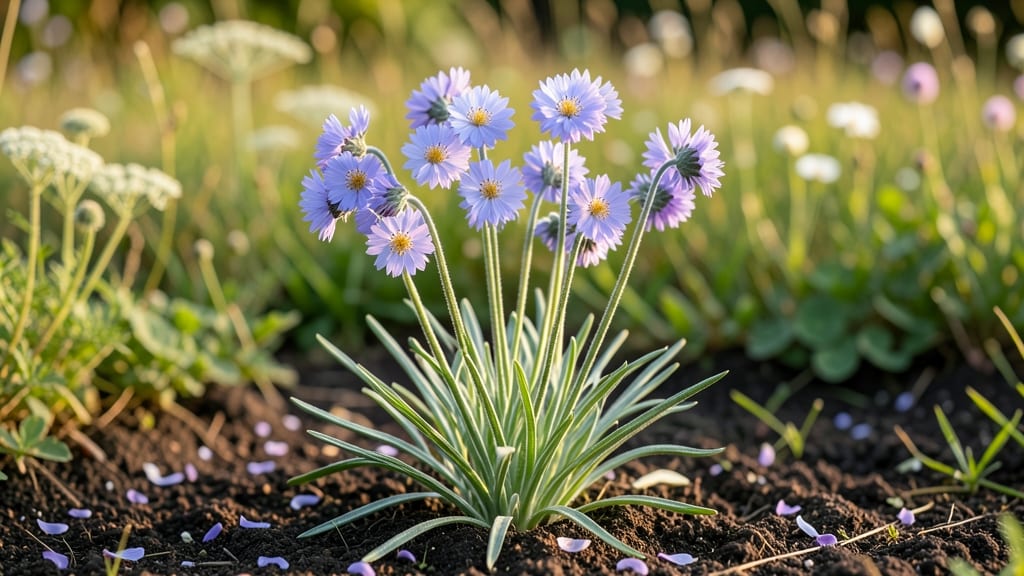
The bachelor buttons bloom time transforms your garden into a fragrant purple paradise 🌸 when timed just right.
If you’ve ever planted these cheerful blooms only to wait weeks for color, you’re not alone. The secret lies in understanding their preferred growing conditions and variety-specific timelines—because what works for one type might leave another struggling.
From USDA Zone 6 to sunnier climates, I’ll break down when to expect those signature spikes, how sunlight and soil play a role, and the simple tricks to make your bachelor buttons last from June through September.
You’ll also discover companion plants that pair perfectly with their bloom time, ensuring your garden stays vibrant all season long.
Bachelor buttons bloom time by variety: annual vs. perennial timelines
Timing your bachelor buttons for peak bloom means choosing the right variety for your USDA zone and understanding their natural flowering cycles. Whether you're growing annual varieties like Centurea cyanus or perennial types such as Centaurea montana, each has its own schedule.
Annuals typically bloom earlier in the season, while perennials may take longer to establish but offer extended displays.
Climate plays a huge role—cooler USDA zones 3–5 may see blooms delayed by 2–4 weeks compared to warmer zones 8–10. For example, Centaurea moschata thrives in heat but can bolt prematurely in southern climates if not planted at the right time.
Let’s break down the specifics so you can plan your garden’s purple spikes with confidence.
🌱 Key Takeaway: Annual bachelor buttons bloom 6–8 weeks after sowing, while perennials may wait 1–2 years for their first full display.
If you’re in USDA zones 3–5, focus on Centaurea montana or Centaurea cyanus for early blooms. These varieties tolerate cooler springs and often flower by late May. In contrast, Centaurea moschata shines in zones 6–9, where it can extend its display into early fall if deadheaded regularly.
For late-season color, Centaurea macrocephala is a standout in zones 7–10, blooming when many annuals have faded. Its silvery foliage also adds texture to summer containers and border gardens. Just be mindful of overheating soil—mulch heavily to retain moisture.
Perennials like Centaurea scabiosa reward patience with multi-year blooms, but they may take 2 seasons to reach peak performance. Plant them in well-draining soil with full sun to encourage robust growth and abundant flowers.
Pro tip: In USDA zone 10, where winters are mild, Centaurea moschata can bloom year-round with minimal care. Pair it with lavender or rosemary for a Mediterranean-inspired border that thrives in heat and drought.
Adjust your planting timeline by 2–4 weeks if you’re in a cooler microclimate (e.g., near large bodies of water or at higher elevations). For example, in zone 4, start seeds indoors 6–8 weeks before your last frost date to ensure blooms align with your garden’s peak season.
🌿 Remember: Bachelor buttons love well-draining soil and 6+ hours of sunlight. Amend heavy clay with compost to prevent root rot, which can delay blooming.
How to extend bachelor buttons bloom time: deadheading, soil, and sunlight secrets
Bachelor buttons (Centaurea cyanus) are famous for their cheerful purple blooms, but their show doesn’t have to end after a single season. With the right care, you can coax them into flowering for weeks longer than average.
The secret lies in three key areas: deadheading, soil conditions, and sunlight exposure. Let’s dive into how to maximize their bloom time so your garden stays vibrant all season.
First, let’s tackle the most effective way to prolong blooms—deadheading. This simple task removes spent flowers, redirecting the plant’s energy toward producing new buds instead of setting seed. For bachelor buttons, I recommend deadheading every 2–3 days during peak bloom.
Use clean, sharp pruners to snip just above the first set of healthy leaves, and avoid tearing the stems. This small effort can extend your blooms by 3–4 weeks or more!
Soil quality is another game-changer for extending bloom time. Bachelor buttons prefer well-draining soil with a pH between 6.0 and 7.5. If your soil is heavy or clay-like, mix in compost or sand to improve aeration.
I’ve found that adding a slow-release fertilizer (like 10-10-10) at planting time gives them a nutrient boost without overfeeding. Over-fertilizing with nitrogen can lead to lush foliage but fewer blooms—so skip the high-nitrogen mixes!
Sunlight is non-negotiable for bachelor buttons. These sun-lovers need at least 6 hours of direct sunlight daily to produce their best blooms. In my garden, I’ve noticed that plants in partial shade (like under fruit trees) produce half as many flowers and bloom for only 2–3 weeks instead of 6+.
If your space is limited, opt for dwarf varieties like 'Blue Bouquet' or 'Pink Bouquet', which tolerate slightly shadier conditions better than standard types.
Finally, don’t overlook the power of companion planting. Pairing bachelor buttons with lavender, thyme, or marigolds can work wonders. Lavender deters pests like aphids, while thyme improves soil health with its aromatic roots.
I’ve seen bachelor buttons in these pairings bloom 2 weeks longer than isolated plants. Plus, the color contrast creates a stunning visual effect in your garden beds!
With these simple tweaks—deadheading, soil prep, sunlight, and companions—your bachelor buttons can keep blooming well into fall. Start with one or two of these tips this season, and watch your garden transform into a long-lasting purple paradise! 🌸