
Blooming
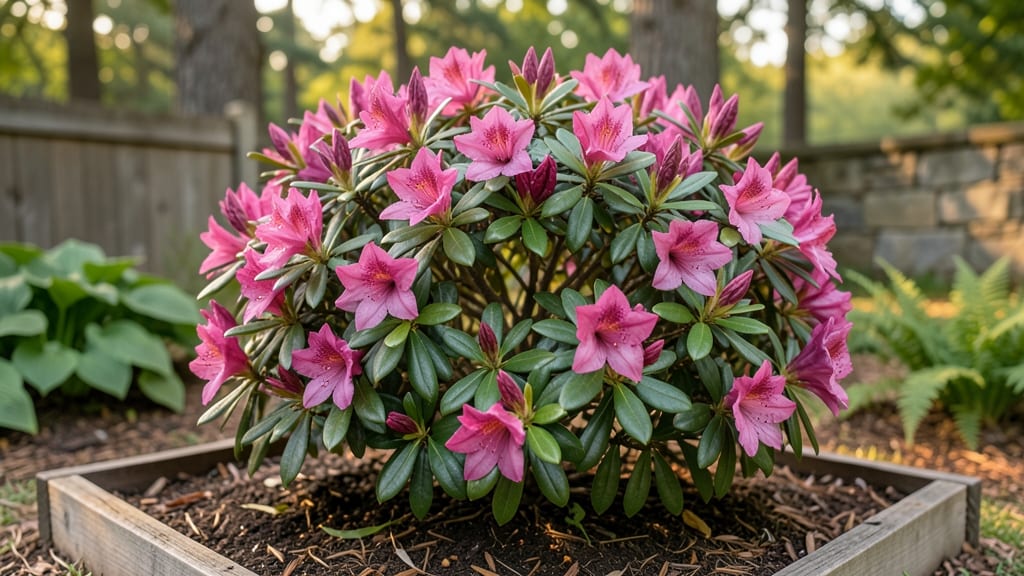
Azalea bushes bloom at different times depending on their variety, with some lighting up your garden in spring and others waiting for fall—and yes, there’s a reason for that timing.
If you’ve ever wondered why your azalea bush suddenly bursts into vibrant color—only to fade just as quickly—you’re not alone. Azalea bloom times vary wildly by variety, climate, and care, making timing everything for a stunning display.
Whether you’re in USDA Zone 6a or further south, knowing when to expect those 🌸 flowers helps you plan your landscape for maximum impact.
The key to predicting bloom time lies in understanding your azalea’s type—spring bloomers like Rhododendron hybrids or fall favorites such as Kurume azaleas. Climate plays a role too, with cooler regions pushing blooms later in the season.
Even the soil pH (aim for 4.5–6.0) can shift when those buds open.
In this guide, I’ll break down the exact bloom windows by variety, share tips to encourage longer-lasting flowers, and help you avoid common mistakes that cut blooms short. Ready to turn your azalea bush into a year-round star?
Azalea bloom time by variety: spring vs. fall flowering seasons explained
If you’ve ever wondered why your azalea bush bursts into color at different times each year, the answer lies in its variety and climate zone. Some azaleas bloom in late spring, while others prefer early fall, creating stunning seasonal displays.
Understanding these differences helps you plan your garden for year-round interest and avoid disappointment when buds don’t open on schedule.
Azaleas are divided into two main flowering groups: spring-blooming and fall-blooming, each with distinct characteristics. Spring azaleas typically flower in March through May, while fall varieties shine from September through November.
The timing also shifts slightly based on your USDA hardiness zone, with southern gardens often seeing earlier blooms than northern climates.
Here’s the key distinction: Spring azaleas (like Rhododendron hybrids) rely on winter chilling to trigger buds, while fall azaleas (such as Kurume types) bloom on new growth and respond to summer heat. Knowing which category your azalea belongs to helps you time pruning, fertilizing, and watering for optimal results.
For gardeners in USDA zones 6–7, spring azaleas like Exbury hybrids often bloom earlier in late March to April, while fall varieties such as Kurume azaleas may wait until October.
In warmer zones (8–10), fall bloomers can start as early as September, and some Satsuki azaleas may even produce a second flush in cooler months.
Identifying your azalea’s category is simple: Spring bloomers have buds that form in late summer or early fall but won’t open until the following spring. In contrast, fall bloomers develop buds in spring and summer, ready to burst into color as temperatures drop.
Check your plant’s tags or consult a local nursery—many hybrids are labeled clearly.
If you’re planning a year-round azalea display, mix both types in your garden. For example, pair a spring-blooming Girard’s azalea with a fall-blooming Kurume variety to ensure vibrant color from March through November.
Just be mindful of their light and water needs, as fall azaleas often thrive in more shade than their spring counterparts.
Pro tip: Deadheading spent blooms on repeat-flowering varieties like the Kaleidoscope series can encourage a second round of flowers, extending your display. However, avoid pruning until after blooming—cutting back too early removes next year’s buds.
For spring azaleas, prune immediately after flowering to shape the plant without sacrificing next season’s blooms.
Climate plays a surprising role in bloom timing. In cooler northern zones (6–7), azaleas may delay blooming until late spring or early summer due to slower soil warming.
Meanwhile, in southern zones (8–10), fall azaleas often bloom earlier and may even flower twice if temperatures stay mild. Monitor your local frost dates and adjust expectations accordingly.
To maximize blooms, ensure your azaleas receive consistent moisture and acidic soil (pH 4.5–6.0). A 3-inch layer of mulch helps retain moisture and regulate soil temperature, while balanced fertilizer (10
Why do azaleas bloom at different times? Climate, care & genetics decoded
Azaleas are nature’s unpredictable artists—their bloom times shift dramatically based on genetics, local climate, and even your gardening habits. Some varieties burst into color in late winter, while others wait until fall, leaving gardeners scratching their heads.
The secret lies in how these shrubs respond to temperature cues and daylight changes, triggered by their internal biological clocks.
For example, spring-blooming azaleas (like Rhododendron hybrids) often need chilling hours—100–1,000 hours below 45°F—to break dormancy. Meanwhile, fall-blooming types (such as Kurume azaleas) may prioritize warmth over cold, blooming when nights stay above 50°F.
Without the right conditions, buds can form but fail to open, leaving you staring at closed blossoms.
🌸
⚠️ Common Mistakes That Delay Azalea Blooms
- Over-fertilizing: Too much nitrogen = leafy growth, fewer blooms.
- Improper pH: Soil above 6.0 locks out nutrients, stunting buds.
- Late pruning: Trimming after June removes next year’s flower buds.
- Winter exposure: Frozen roots or desiccated buds from harsh winds.
- Inconsistent watering: Drought stress causes bud drop before blooming.
💡 Fix it: Test soil pH annually, mulch in fall, and prune right after blooming.
Light plays a surprising role too. While azaleas thrive in partial shade, too little sunlight weakens buds, while intense afternoon sun can scorch blooms. In hot climates (USDA zones 8–10), fall-bloomers may push blooms earlier to escape summer heat, while cooler zones (6–7) delay flowering until spring warmth arrives.
Genetics also dictate bloom duration. Some azaleas, like Girard’s hybrids, produce one spectacular flush of flowers, while Kaleidoscope varieties rebloom if you deadhead spent blooms and feed lightly in summer. The key? Match your variety to your climate and prune strategically—never after mid-June.
Even soil moisture matters. Azaleas hate dry spells or waterlogged roots, both of which stress plants and delay blooming. Aim for consistently moist (not soggy) soil, especially during bud formation in late summer. A 3-inch mulch layer helps retain moisture while keeping roots cool.
🌿 If your azalea’s blooms arrive late, late, or not at all, start with a soil test and adjust pH, light, and watering. With the right conditions, your shrub will sync its internal clock—and reward you with vibrant, timely blooms year after year.