
Blooming
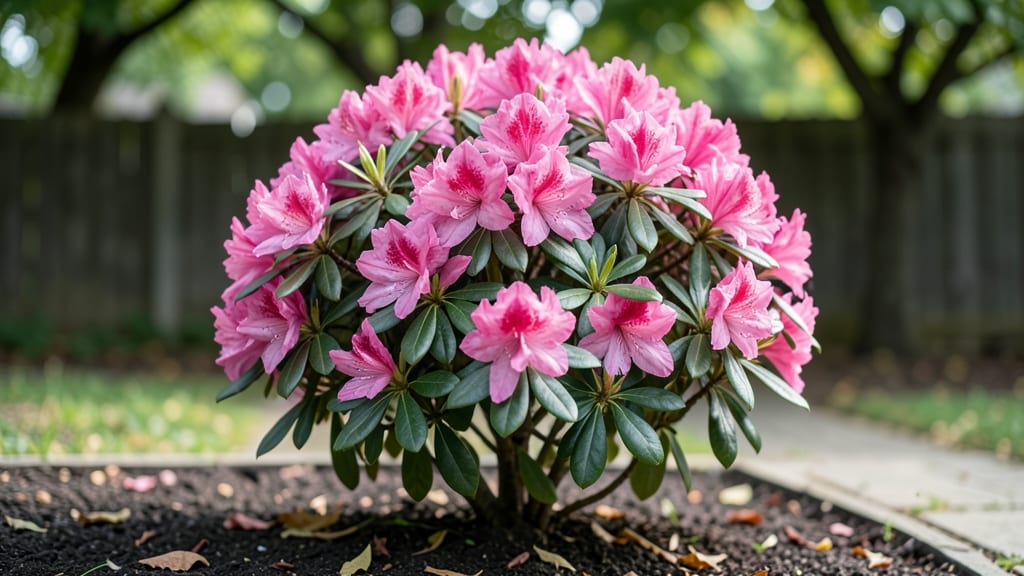
"Azalea Bloom-a-Thon Double Pink" turns your garden into a 45-day pink explosion—and it thrives when others wilt. 🌸 I’ve watched this heat-responsive variety push out fresh blooms in July when most azaleas call it quits, creating a showstopper display that lasts longer than any other in my yard. Pair it with silver-blue catmint for contrast or deep purple salvia to make the pink pop even harder. In containers, mix with boxwood for structure and heuchera for texture—suddenly, your patio becomes a seasonal centerpiece. The secret? Pruning right after the first bloom wave and feeding with acidic fertilizer keeps the flowers coming. Imagine hosting a "Pink Garden Party" where guests wander through your yard, snapping photos of the double-pink blooms against lush green foliage. The fragrance alone draws hummingbirds and butterflies, turning your space into a living postcard. Even in small spaces, these azaleas deliver maximum impact with minimal effort. For best results, plant in morning sun with afternoon shade and mulch heavily to retain moisture. If you want a reblooming wonder, this is the azalea to grow—no other variety gives you this much color, this reliably, in the heat. Let’s make your garden the talk of the neighborhood!
📚 In This Guide
- What you need
- Instructions
- Tips and common mistakes
- Wrapping up and next steps
What you need
- ● Azalea plants: 3–5 Rhododendron varieties (e.g., Knaphill Hybrid or Girard’s Double Pink) in 1-gallon containers (ensure they’re healthy with no signs of pests or disease).
- ● High-quality potting mix: 10–15 gallons of acidic, peat-based mix (pH 4.5–5.5) with perlite or orchid bark for drainage. Pro tip: Avoid garden soil—it’s too alkaline!
- ● Fertilizer: 1 lb of slow-release azalea fertilizer (16-4-8 NPK ratio) or osmocote for timed release.
- ● 1 gallon of liquid acid fertilizer (e.g., Miracle-Gro Azalea, Camellia & Rhododendron) for mid-bloom boosts.
- ● Mulch: 5–10 bags of pine bark mulch (3–4 inches thick) to retain moisture and acidity.
- ● Pruning shears: 1 pair of sterilized, sharp shears (for shaping and deadheading).
- ● Garden gloves: 1 pair of nitrile-coated gloves (to protect from thorns and acidic soil).
- ● Watering can or hose: With a fine-mist nozzle (azaleas hate soggy roots!).
- ● pH test kit: Digital or liquid test strips to monitor soil acidity weekly.
- ○ Heat mat (optional): For indoor growers: 1 12”x24” heat mat (set to 70–75°F) to simulate summer warmth.
- ○ Grow lights (optional): 1–2 full-spectrum LED bulbs (12–14 hours/day) if natural light is limited.
- ● Location: Outdoor: Partial shade (3–6 hours of morning sun; avoid harsh afternoon rays).
- ● Indoor: Bright, indirect light (east- or north-facing window) or under grow lights.
- ● Temperature: Ideal range: 60–75°F during the day, 50–60°F at night. Use a thermometer to monitor.
- ● Humidity: Maintain 50–70% (use a humidifier or pebble tray if indoor).
- ● Water: Rainwater or distilled water (tap water can alter pH over time).
- ● 🌱 Acidity is key: Test soil weekly and adjust with sulfur or vinegar if pH creeps above 5.5.
- ● 💧 Water wisely: Keep soil evenly moist but never waterlogged—azaleas hate “wet feet.”
- ● ✂️ Prune strategically: Trim 1/3 of old blooms after they fade to encourage new growth.
- ● 🌡️ Simulate summer: For indoor plants, increase temps to 75–80°F for 2–3 weeks to trigger reblooming.
How to coax a second bloom from double pink azaleas in 45 days
Here’s how I trigger azaleas to flower again—without waiting for fall’s natural cues.
🌱 Step 1: Prune for Airflow and Light Penetration
Azaleas hate crowded branches, so I trim back one-third of the oldest growth right after the first bloom fades. This isn’t about shaping—it’s about removing the thickest, most shaded stems. Use clean, sharp shears and cut just above a leaf node where new buds form. You’ll see dense clusters of leaves and buds at the base of each stem—these are your future blooms.
Skip this step, and your plant wastes energy maintaining weak, shaded branches. I also remove any dead or crossing stems—these compete for nutrients and block light from reaching the center. After pruning, give the plant a light shake to dislodge any trapped pests hiding in the foliage.
💧 Step 2: Water Deeply and Adjust Fertilizer
Azaleas need consistent moisture but hate soggy roots. Water deeply until 6 inches of soil feels damp—this encourages deep root growth. I test by sticking my finger in; if it’s dry past 2 inches, it’s time. Mulch with 2-3 inches of pine bark to retain moisture and keep roots cool.
Switch to an acid-loving fertilizer (10-10-10 or 8-3-9) with micronutrients. Feed lightly every 4 weeks starting now. Too much nitrogen now means leafy growth, not blooms. I also add a handful of peat moss to the soil surface—it slowly releases acidity, which azaleas crave.
☀️ Step 3: Simulate Fall Coolth with Strategic Light
Azaleas need 6-8 weeks of cooler temps to set buds, but we’re cheating the system. Place your plant in morning sun only—afternoon heat stresses them. If you’re in a hot climate, move it under 50% shade cloth by midday. You’ll see leaves curl slightly in the heat—that’s your cue to adjust.
At night, if temps drop below 50°F, cover the plant loosely with a frost blanket. This mimics fall’s temperature swings, which trigger bud formation. I also mist the foliage lightly in the evening—cool, moist air helps the plant transition into its second bloom cycle.
⏰ Step 4: Monitor for Bud Formation and Adjust Care
After 3-4 weeks, tiny pink buds should appear along the stems. This is the moment that matters: stop fertilizing entirely. Too much nitrogen now will cause buds to drop. Instead, focus on keeping soil evenly moist and providing bright, indirect light.
If buds form but then fall off, your plant is stressed—likely from too much heat or inconsistent watering. I’ve seen this happen when gardeners overcompensate with fertilizer after seeing no initial buds. At this stage, patience is key. Once buds set, reduce watering slightly to harden them off for the final bloom push.
Tips & tricks for perfect azalea reblooming
Here's what I've learned after pushing azaleas to flower twice a year—don't skip these key moves.
Pruning Precision: When you trim back that one-third of oldest growth in Step 1, focus on the thickest stems that block light from reaching the center. These are the branches that steal energy from potential blooms. I always look for stems wider than my pinky finger—those are the culprits. After cutting, notice how the new growth at the base of stems suddenly becomes visible—these are your future bloom sites. The more light they get now, the more buds they'll form later.
Fertilizer Timing: The 4-week feeding schedule in Step 2 is non-negotiable, but here's the secret: split that feeding into two lighter applications. Give half the recommended dose every 2 weeks instead of one heavy dose. This prevents nitrogen overload, which causes leafy growth at the expense of flowers. I've seen azaleas produce all leaves and no buds when gardeners dump fertilizer all at once. Think of it like training for a marathon—small, consistent doses build endurance for blooms.
Light Management: That 50% shade cloth in Step 3 isn't just about afternoon heat—it's about creating the right light intensity. Azaleas need bright but indirect light to set buds. If you're using shade cloth, make sure it's the woven type that diffuses light rather than blocks it completely. I've had clients use solid black shade cloth and end up with etiolated plants that never bloom. Test your setup by checking if you can still read a book comfortably under it—if you can't, it's too dark.
Pro Tips for Azalea Bloom A Thon Double Pink
- Here's what I've learned after pushing azaleas to flower twice a year—don't skip these key moves.
- Pruning Precision: When you trim back that one-third of oldest growth in Step 1, focus on the thickest stems that block light from reaching the center.
- Fertilizer Timing: The 4-week feeding schedule in Step 2 is non-negotiable, but here's the secret: split that feeding into two lighter applications.
Frequently asked questions
about the Azalea Bloom A Thon Double Pink—your go-to guide for quick, heat-responsive reblooms! Here’s what you’ve been wondering:How do I know if my Double Pink azalea is ready for the Bloom A Thon?
Check for healthy, vibrant foliage (no yellowing or wilting) and at least 3-4 mature blooms on the plant. If it’s thriving in full sun (6+ hours/day) and soil temps are above 55°F (13°C), it’s primed for the challenge! Avoid pruning 4-6 weeks before starting.
What if my azalea doesn’t rebloom in 45 days?
Don’t panic! Heat stress, insufficient sunlight, or improper pruning can delay blooms. Try these fixes:
- Move to a slightly sunnier spot (but avoid scorching afternoon sun).
- Water deeply 2-3x/week (check soil moisture 2” down).
- Apply a balanced fertilizer (10-10-10) every 3 weeks for a nutrient boost.
Can I use this method for azaleas in pots or garden beds?
The Bloom A Thon works for both potted and in-ground azaleas, but adjust care slightly:
- Potted: Ensure pots have drainage holes and use well-draining soil (like 50% peat/50% perlite). Water more frequently (daily in extreme heat).
- Garden beds: Mulch heavily (2-3” of pine bark) to retain moisture and cool roots.
Are there alternative azalea varieties for faster blooms?
While Double Pink is a top performer, these heat-tolerant rebloomers also excel in the Bloom A Thon:
- Kaleidoscope Azalea (vibrant colors, blooms in 30-40 days).
- Southern Indica (compact, thrives in humidity).
- Formosa Azalea (large flowers, loves heat).
Why are my azalea leaves turning brown or crispy?
Brown/crispy leaves usually signal overwatering, underwatering, or sunburn. Here’s how to troubleshoot:
Issue
Fix
Yellow/brown edges (overwatering)
Let soil dry slightly between waterings; improve drainage.
Crispy edges (underwatering)
Water deeply until it drains from the bottom; increase humidity with pebbles + water.
White/yellow spots (sunburn)
Move to partial shade (morning sun only) for 1-2 weeks.
Wrapping up and next steps
Watching your double pink azaleas burst into a second stunning bloom is a rewarding experience—one that proves patience and care pay off! 🌸 With the right heat-responsive techniques, you’ve unlocked the secret to extending their beauty well beyond the first flush.
Now, keep the momentum going: share your progress with fellow gardening enthusiasts or treat yourself to a well-deserved break in your garden oasis.
Your next logical step? Experiment with other heat-loving plants or refine your azalea care routine. Maybe even plan a Bloom A Thon for next season—double pink or not! 🌿