
Blooming
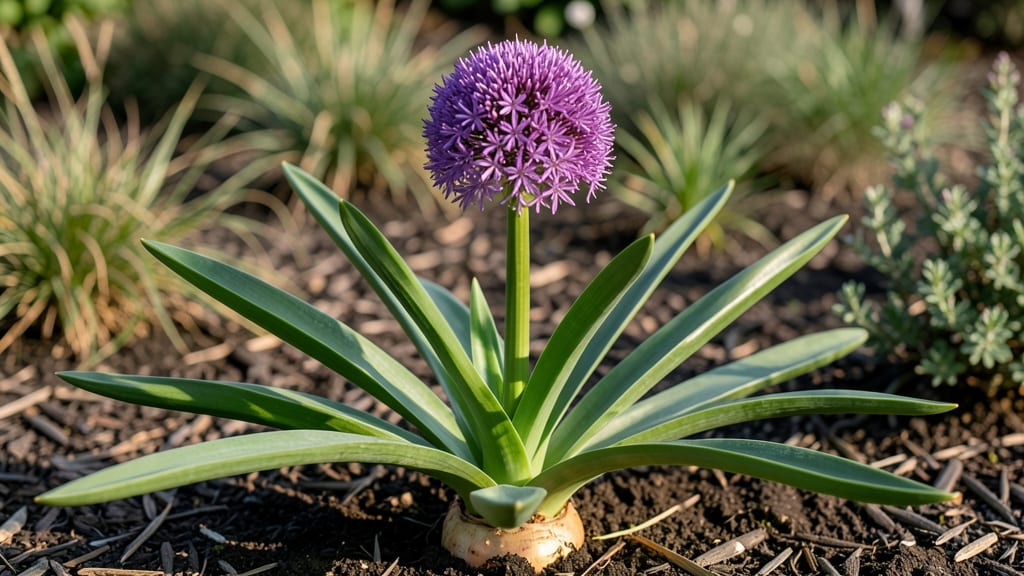
Alliums bloom in late spring to early summer 🌸, but the exact timing depends on variety, climate, and even where you plant them.
If you’ve ever planted alliums hoping for a dramatic burst of color—only to be left waiting—understanding their bloom cycles is key to timing your garden perfectly.
These globe-shaped flowers thrive on precision, and their bloom windows vary wildly by variety, making the difference between a showstopper display and a missed opportunity.
For gardeners in USDA Zone 6a, most alliums push through the soil in March, but their full bloom can stretch from late April through June, depending on the type. A giganteum might tower by May, while a moly could pop earlier, adding layers of color to your seasonal plan.
Below, I’ll break down exactly when to expect blooms by variety, how to adjust for your region, and the simple tricks to coax your alliums into their longest, healthiest display yet.
Allium bloom time by variety: when to expect flowers
Alliums are famous for their dramatic, globe-shaped blooms that add height and texture to gardens. But their bloom times vary drastically by variety—some burst into color in early spring, while others wait until late summer.
Knowing these schedules helps you plan seasonal displays or pair alliums with complementary flowers for year-round interest.
Most alliums thrive in USDA zones 3–10, but cooler climates (zones 3–5) may see earlier blooms, while warmer zones (7–10) often delay flowering until late spring or summer. Light exposure and soil conditions also play a role—full sun typically speeds up bloom time, while partial shade can stretch it out.
| Variety | Bloom Time | Height | Best Zones | Notes |
|---|---|---|---|---|
| Allium giganteum | Late spring (May–June) | 4–5 ft | 3–9 | Dramatic purple spheres; great for cutting. |
| Allium moly | Early spring (March–April) | 6–12 in | 4–9 | Golden-yellow blooms; drought-tolerant. |
| Allium schubertii | Late spring (May–June) | 2–3 ft | 3–8 | Purple-pink pom-poms; long-lasting. |
| Allium sphaerocephalon | Summer (July–August) | 1–2 ft | 4–9 | Round purple blooms; attracts pollinators. |
| Allium cristophii | Late spring (May–June) | 3–4 ft | 3–8 | Deep purple; striking vertical accent. |
For early spring bloomers like Allium moly, plant bulbs in fall (8–10 weeks before frost) to ensure they push through snow for March–April color. These varieties are perfect for rock gardens or edging, where their low stature shines.
If you love summer-long displays, prioritize Allium sphaerocephalon or Allium karataviense, which bloom in July–August. These late-season stars pair beautifully with black-eyed Susans or coneflowers for extended seasonal interest. In warmer climates (zones 7–10), summer blooms may arrive even earlier.
Pro tip: Deadhead spent blooms to encourage reblooming in perennials like Allium schubertii. Remove faded flowers but leave seed heads for winter interest and wildlife appeal. Just avoid cutting back foliage until it yellows naturally—this ensures next year’s blooms.
In cooler climates (zones 3–5), alliums often bloom 2–4 weeks earlier than in warmer regions. For example, Allium giganteum might flower in late April–May instead of June. Mulch heavily in fall to protect bulbs and promote earlier blooms the following spring.
For container gardening, choose dwarf varieties like Allium moly or Allium roseum. These bloom in early spring (March–April) and thrive in pots with well-draining soil. Place containers in full sun to maximize bloom time and extend flowering by a week or more.
Don’t overlook allium foliage—it adds structural interest long before blooms appear. Some varieties, like Allium giganteum, develop arching stems that create drama even when not in flower. Pair them with grasses or ornamental onions for a textural garden that works year-round.
To delay blooming in heat-sensitive varieties, provide afternoon shade during peak summer months. This trick works best for late-spring bloomers like Allium cristophii, helping them hold onto flowers longer in hotter climates (zones 7–10).
How often do alliums flower? Longevity and reblooming tips
Most alliums are perennials, meaning they return year after year—but their blooming frequency depends on the variety and growing conditions. Unlike annuals, which flower once and die, perennials like Allium giganteum or Allium schubertii can reward you with 3-5 years of blooms if cared for properly.
Some, like Allium moly, may even self-seed, creating naturalized colonies that flower reliably for decades.
Understanding whether your alliums are short-day or long-day plants is key to predicting reblooming. Short-day varieties (common in cooler climates) often bloom in early spring and may need 6-8 hours of daylight to trigger flowering.
Long-day varieties, like Allium 'Purple Sensation', thrive in summer with 14+ hours of daylight and can rebloom if given the right conditions.
- 1 Perennial vs. Biennial: Most alliums are perennials, but some like Allium ursinum (wild garlic) act as biennials, flowering in their second year before dying.
- 2 First-Year Bloomers: Some varieties, like Allium 'Globemaster', may flower in their first year if planted early, but most wait until year 2 or 3 for a full display.
- 3 Reblooming Potential: Deadhead spent blooms to encourage second flushes in late summer, especially with long-day varieties like Allium 'Haarlem Pearl'.
- 4 Staking for Longevity: Tall varieties (like Allium 'Purple Rainbow') need stakes or cages to prevent flopping, which can stress the plant and reduce future blooms.
- 5 Soil Matters: Well-draining, nutrient-rich soil (amend with compost) ensures alliums store enough energy for multiple bloom cycles over their lifespan.
To extend bloom duration, focus on deadheading—removing faded flowers promptly redirects energy to bulb storage for next year’s blooms. For varieties like Allium 'Mount Everest', which bloom in late spring, this can push flowering into early summer if conditions are ideal.
Pair this with consistent watering (1 inch per week) during the growing season to prevent stress.
If your alliums aren’t reblooming, check their light exposure. Most need 6+ hours of full sun daily, but some, like Allium 'White Giant', tolerate partial shade.
Overcrowding can also stunt blooms—thin clumps every 3-4 years to improve air circulation and flower production. Divide congested bulbs in early fall for healthier regrowth.
Pro tip: Mulch around alliums in late fall with 2-3 inches of organic mulch (like straw) to protect bulbs from temperature swings. This practice encourages stronger roots, which directly impact bloom size and frequency the following season.
With the right care, your alliums can become reliable, long-lived stars in your garden.
🌸