
Blooming
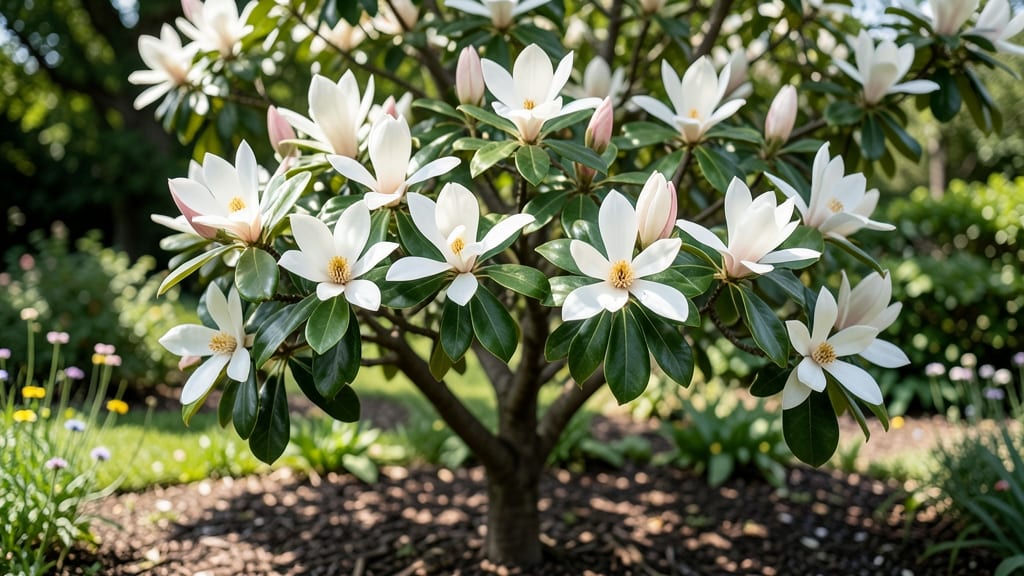
Your magnolia tree’s bloom time depends on its variety, location, and care—with some flowering as early as late winter and others waiting until summer.
If you’ve ever wondered why your magnolia tree blooms at the wrong time—or why some varieties flower in spring while others wait until summer—you’re not alone. Understanding magnolia bloom cycles isn’t just about timing; it’s about unlocking the secrets to healthier, more vibrant trees.
Southern magnolias, for example, typically burst into bloom in late spring, while star magnolias often surprise gardeners with early winter flowers. Regional climate plays a huge role—cooler zones may delay blooms, while warmer areas can trigger earlier or more prolonged flowering.
In this guide, you’ll discover how to recognize your magnolia’s natural bloom cycle, troubleshoot irregular patterns, and extend those stunning 🌸 displays with simple care adjustments.
Magnolia bloom time by variety: spring vs. summer flowering seasons
Magnolias are famous for their stunning, fragrant blooms, but their bloom timing varies dramatically by variety. Some burst into flower in late winter, while others wait until summer heat—and a few even bloom twice a year!
Understanding these differences helps you choose the right magnolia for your climate and garden style. I’ve grown several varieties myself, and the timing surprises even seasoned gardeners.
The key to predicting bloom time lies in knowing your magnolia’s species and climate zone. A Southern Magnolia in Georgia might bloom in May or June, while the same tree in Zone 5 could wait until July.
Meanwhile, Star Magnolias often flower in February or March, defying the "spring only" rule. Let’s break down the most popular varieties and their typical bloom windows.
🌱 Pro Tip: Always check your local last frost date when planning for early-blooming varieties like Star Magnolias. A late frost can damage delicate buds, so consider planting them in sheltered spots or microclimates where cold air pools less.
Notice how Star Magnolias and Yulan Magnolias bloom in winter or early spring, often before most gardeners even think about planting. These varieties are perfect if you love early garden color and don’t mind the risk of frost damage.
Meanwhile, Southern Magnolias and Cucumbertree Magnolias prefer warmer temperatures, making them ideal for Zone 7 and above.
Regional climate plays a huge role in bloom timing shifts. In cooler zones (4–6), Saucer Magnolias might delay blooming until April or May to avoid frost. Conversely, in southern climates (Zone 8+), Summer-blooming varieties like Lily Magnolias can flower as early as May.
I once saw a Sweetbay Magnolia in North Carolina bloom in April—unusual for its typical June–July window!
🌿 Exception Alert: Some magnolias, like the Jane Magnolia (Magnolia × loebneri), can bloom twice a year—once in spring and again in fall. This makes them a gardener’s dream for extended seasonal interest. If you’re in Zone 6 or warmer, consider this variety for year-round visual impact.
Understanding these patterns helps you time pruning and fertilizing correctly. For example, prune Southern Magnolias after their summer blooms to avoid cutting off next year’s flowers. Meanwhile, early spring bloomers like Star Magnolias should be pruned immediately after flowering to shape them without sacrificing blooms.
I’ve made the mistake of pruning too late—always research your specific
Why your magnolia tree might be blooming early, late, OR not at all
If your magnolia tree’s bloom timing feels off—like early spring flowers in winter or late summer blooms when you expected spring—don’t panic. These irregular patterns usually stem from environmental stress, care mistakes, or natural life stages.
Understanding the root causes helps you adjust care and restore your tree’s natural bloom cycle. Let’s explore the most common reasons and how to fix them.
First, consider your magnolia variety. Some, like Star Magnolias, bloom in late winter, while Southern Magnolias wait for late spring. But even within a species, climate shifts or improper sunlight can throw off timing.
For example, a Saucer Magnolia might bloom early if it’s planted in a warmer microclimate or late if shaded too much. Matching care to your tree’s specific needs is key.
Never prune a magnolia after its blooms appear—this removes next year’s flower buds! Late pruning can cause no blooms for 1-2 years. If you’ve pruned at the wrong time, wait until late summer or early fall to avoid further damage. Thin out crowded branches instead of heavy cutting to preserve bud formation.
Next, check your tree’s age. Young magnolias (under 5 years old) often bloom later because they’re focusing on root and canopy growth. Patience is key—some varieties take 7-10 years to reach full bloom potential.
For mature trees, disease stress or poor soil health can stunt flowering. Look for signs like yellowing leaves, cankers on bark, or powdery mildew—these can divert energy away from blooms.
Soil conditions play a huge role. Magnolias thrive in acidic, well-draining soil (pH 5.0-6.0). If your soil is alkaline or compacted, roots struggle to absorb nutrients, leading to weak or no blooms.
Test your soil and amend with peat moss or sulfur if needed. Over-fertilizing with high nitrogen can also cause leafy growth at the expense of flowers. Use a balanced fertilizer (5-10-10) in early spring instead.
Environmental factors like temperature swings or extreme heat can also disrupt blooming. For example, a late frost might kill new flower buds, while unusually hot summers can stress the tree into dormancy early.
If your area experiences unpredictable weather, consider lightweight row covers for young trees or mulching to regulate soil temperature. Even urban pollution can weaken blooms—plant magnolias at least 50 feet from roads if possible.
Lastly, watering habits matter. Overwatering can suffocate roots, while drought stress forces the tree to conserve energy. Aim for deep, infrequent watering (15-20 gallons for young trees) and mulch 3 inches deep around the base to retain moisture.
If your magnolia isn’t blooming at all, it might be too young, stressed, or genetically slow—but with the right care, most trees rebound within 1-2 seasons.