
Blooming
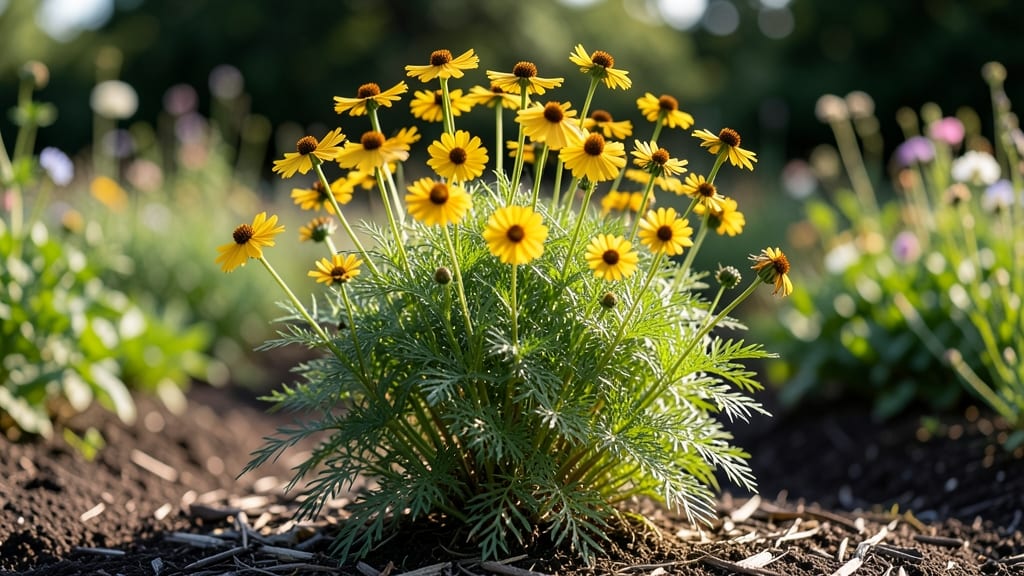
Coreopsis does bloom all summer in many varieties, particularly when you deadhead spent blooms consistently, creating extended flowering periods from early summer through fall with the right growing conditions.
Coreopsis plants are summer's workhorses, delivering vibrant blooms from June through September—or even into October—when given proper care. 🌻 The key lies in their natural growth habits: most varieties produce continuous flowers as long as you remove faded blooms, encouraging new growth.
Perennial types like 'Moonbeam' or 'Zagreb' often outperform annuals in reblooming, while some annual varieties may need occasional pruning to maintain their energy.
What's fascinating is how sunlight exposure (at least 6-8 hours daily) and well-draining soil work together to extend their flowering season—think of them as sun-worshipping powerhouses that reward attention with nonstop color.
For best results, I recommend deadheading weekly during peak bloom and providing balanced fertilizer every 4-6 weeks to support their prolific growth. This simple routine transforms coreopsis from a one-time summer showstopper into a continuous garden highlight that keeps your outdoor space lively until frost.
💡 In This Article
- Coreopsis Blooming Seasons by Variety: Annual vs Perennial Differences
- Deadheading and Care Tips to Extend Coreopsis Blooms
Coreopsis blooming seasons by variety: annual vs perennial differences
The secret to coreopsis's summer-long performance lies in its species-specific growth habits. Perennial varieties like Coreopsis verticillata (threadleaf coreopsis) and Coreopsis lanceolata (lanceleaf coreopsis) are the true summer champions, capable of blooming continuously from June through October when properly cared for.
These hardy perennials establish deep root systems that store energy for multiple blooming cycles, making them ideal for low-maintenance gardens. Their hardiness zones typically range from 3-9, allowing them to thrive in diverse climates.
Annual varieties such as Coreopsis tinctoria (dyer's coreopsis) offer vibrant color but usually bloom in a single flush from early summer to early fall, unless you practice aggressive deadheading.
What sets perennials apart is their ability to regenerate from the same root system each year, while annuals complete their entire life cycle in one season.
For example, 'Moonbeam' coreopsis—a perennial—can produce 3-4 inches of new growth per week during peak season, while annuals like 'Sunray' typically focus their energy on a single, dramatic bloom period before setting seed.
The color spectrum also plays a role in blooming duration. Yellow varieties often bloom slightly longer than pink or red types due to their higher tolerance for heat stress.
The 100°F+ temperatures that can stress pink flowers actually enhance the resilience of yellow varieties, which is why 'Early Sunrise' (a yellow cultivar) remains a favorite for extended summer color.
This heat tolerance is tied to the plant's natural pigment production—yellow anthocyanins require more energy to produce but offer better heat resistance than their pink counterparts.
Another fascinating factor is how different varieties respond to daylight changes. Short-day plants like Coreopsis gigantea (giant coreopsis) actually bloom more prolifically as daylight hours shorten in late summer, while long-day varieties like Coreopsis rosea peak in mid-summer.
This photoperiod sensitivity explains why some coreopsis varieties seem to get a second wind in September while others fade earlier. Understanding these patterns lets you select the perfect variety for your specific summer climate and desired bloom duration.
For gardeners in cooler regions (zones 3-5), choosing cold-hardy perennials like 'Zagreb' coreopsis pays off with reliable summer blooms that often persist until the first frost. These varieties develop a woody base that protects their growth points from winter dieback, allowing them to bounce back vigorously each spring.
The trade-off? They may take 2-3 years to reach their full blooming potential compared to annuals that deliver instant color.
What most gardeners don't realize is that coreopsis's blooming pattern isn't just about genetics—it's also about competition. In crowded plantings, coreopsis often produces fewer blooms because it diverts energy to leaf growth to compete for sunlight.
This is why spacing plants 12-24 inches apart creates the ideal balance between foliage and flower production, maximizing your summer display. The right spacing also improves air circulation, reducing the risk of fungal diseases that can cut blooming short.