
Blooming
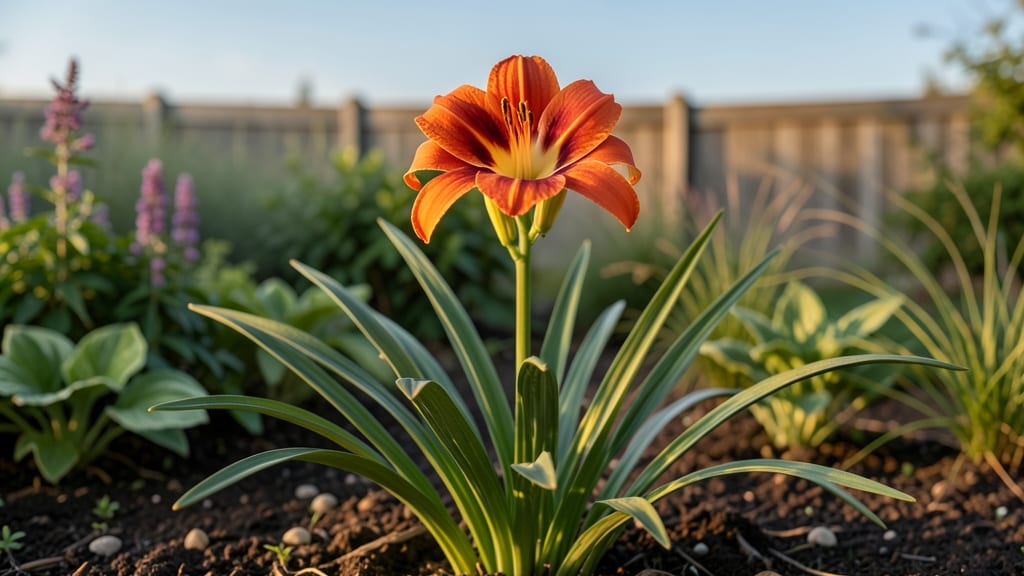
Daylilies bloom in late spring to summer 🌸 — but the exact timing depends on your variety, zone, and a few simple care tweaks that can shift blooms weeks earlier or stretch them through fall.
Picture this: you’ve planted your March crowns with high hopes, only to stare at stubborn green leaves while your neighbor’s garden explodes in color. The truth?
Daylily bloom time isn’t just about patience—it’s about knowing which varieties thrive in your USDA Zone 6a (or beyond) and when to give them that extra push.
Some daylilies burst into bloom by June, while others hold off until September, and rebloomers like ‘Happy Returns’ can give you two rounds of flowers if you time it right.
I’ll break down the science behind these windows, plus the 3 key adjustments that’ll turn your garden into a nonstop floral show.
Ready to predict—and even control—when your daylilies will shine? Here’s how to read the signs, pick the perfect varieties for your climate, and keep those blooms coming all season long.
When do daylilies bloom: variety-specific bloom times by season
Daylilies are famous for their long bloom seasons and vibrant colors, but not all varieties follow the same schedule. Some burst into early spring blooms, while others shine in late summer or even fall.
Understanding these variety-specific bloom times helps you plan a garden that stays colorful from May through September—or even longer!
Most daylilies bloom in late spring to early summer, but their exact timing depends on two key factors: whether they're early-, mid-, or late-season varieties, and whether they're rebloomers (which produce second flushes of flowers).
Let’s break down the bloom windows for your favorite varieties so you can predict—and extend—their floral displays.
If you’re planting for a continuous color show, mix early bloomers like Stella de Oro (June) with mid-season varieties like Happy Returns (June-August) and late bloomers like Pardon Me (July-September). This strategy ensures your garden stays lively from early June through fall.
The reblooming varieties are your secret weapon for extending the season. Stella de Oro and Happy Returns can produce multiple bloom cycles if you deadhead spent flowers and provide consistent care. Even non-rebloomers like Black Beauty deliver dramatic single-season impact with their deep burgundy-black blooms.
For cooler climates (USDA Zones 3-6), blooms may start 2-3 weeks later than in warmer zones (Zones 7-11).
In Zone 5, for example, Stella de Oro might not bloom until late June or early July, while in Zone 9, it could start as early as May. Always check your local last frost date and adjust expectations accordingly.
Pro tip: Fertilize in early spring with a balanced 10-10-10 formula to encourage strong first blooms. Then, top-dress with compost in late summer to fuel reblooming varieties. Pair this with regular deadheading to redirect energy into new flowers instead of seed production.
Don’t overlook light and soil—daylilies need full sun (6+ hours) and well-draining soil to perform at their best. If your garden is shady, opt for tolerant varieties like Café Au Lait, which still bloom well in partial shade.
With the right mix of varieties and care
How USDA Plant Hardiness zones affect daylily bloom timing
Your USDA Plant Hardiness Zone plays a starring role in determining when your daylilies will bloom.
In warmer zones (8-11), like Southern California or Florida, daylilies often burst into color as early as late winter or early spring, while in cooler zones (3-7), such as the Midwest or Northeast, blooms typically appear in late spring or early summer.
This shift happens because daylilies respond to temperature cues—warmer climates trigger earlier growth.
For example, in Zone 9, you might see blooms in February or March, while in Zone 5, the same varieties won’t peak until June or July. Understanding your zone helps you select the right varieties and time care strategies to maximize bloom periods.
Marginal zones (like Zone 6b-7a) often face delays, but with the right adjustments, you can still enjoy a longer season.
| USDA Zone | Typical Bloom Window | Climate Notes | Care Adjustments |
|---|---|---|---|
| Zones 3-5 | Late May - July | Cool springs delay growth | Use mulch for warmth |
| Zones 6-7 | June - August | Moderate climate; reliable blooms | Deadhead spent blooms for reblooms |
| Zones 8-9 | March - May | Early starts; heat-tolerant | Water deeply in summer |
| Zones 10-11 | January - April | Year-round growth; minimal dormancy | Fertilize lightly year-round |
In cooler zones (3-7), daylilies often need a longer warm-up period before blooming. If you’re in Zone 4 or 5, choose early-season varieties like 'Happy Returns' or 'Pardon Me' to ensure blooms appear before summer heat sets in.
These varieties are bred to handle shorter growing seasons and still deliver vibrant colors.
For gardeners in warmer zones (8-11), the challenge shifts to prolonging blooms through summer. In these areas, daylilies may bloom continuously if given proper care. I recommend regular deadheading and consistent watering to keep flowers coming.
Varieties like 'Stella de Oro' thrive in heat and can rebloom multiple times if conditions are right.
If you live in a marginal zone (6b-7a), where winters are borderline, consider microclimate adjustments. Plant daylilies near south-facing walls or under lightweight row covers to add warmth.
These small tweaks can push bloom times 2-4 weeks earlier by creating a warmer micro-environment. Mulching with straw or leaves also helps insulate roots during late frosts.
Remember, daylily bloom timing isn’t set in stone—your care routine makes a difference. Whether you’re in a cool northern climate or a warm southern one, adjusting for your zone ensures your garden stays colorful for months.
Start with the right varieties, and don’t underestimate the power of consistent care! 🌸