
Blooming
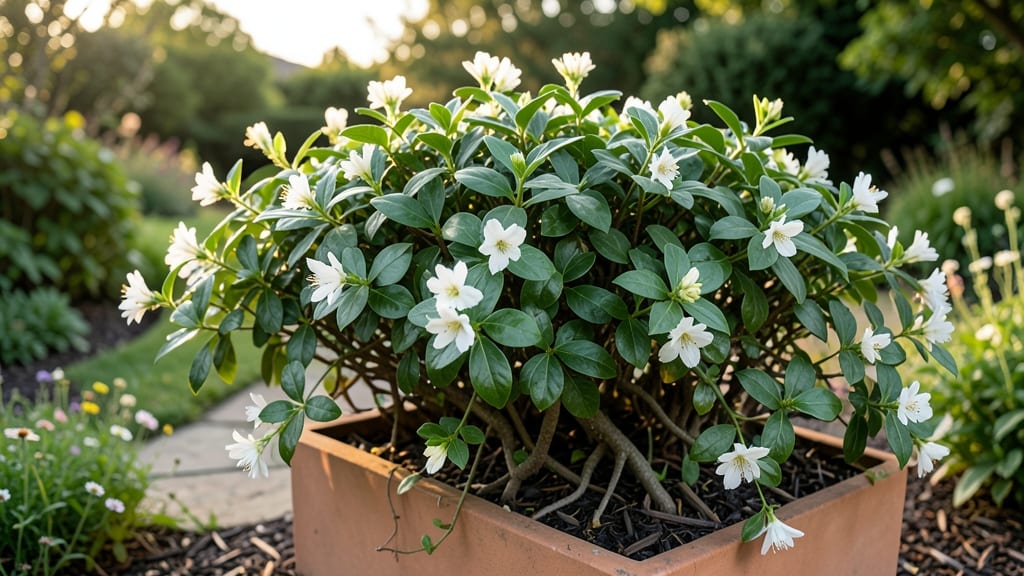
The Confederate jasmine bloom time varies by zone but typically arrives in late spring to early summer 🌸, turning your garden into a fragrant sanctuary.
If you’ve ever craved a garden filled with intoxicating nighttime fragrance, Confederate jasmine (Trachelospermum jasminoides) is your answer—but timing is everything.
This evergreen vine blooms at different times depending on your USDA zone, and knowing exactly when to expect those fragrant white flowers can mean the difference between a showstopping display and a missed season.
In cooler zones like 6a, blooms often appear in May or June, while warmer climates may see flowers as early as April or even a second flush in fall. The key to maximizing your jasmine’s performance lies in understanding your local climate and adjusting care accordingly.
Below, I’ll break down the best months to expect blooms in your area, how to encourage longer flowering, and simple tricks to keep your Confederate jasmine bursting with fragrance all season long.
Confederate jasmine bloom time by USDA plant hardiness zone
Confederate jasmine (Trachelospermum jasminoides) is a garden star for its intoxicating nighttime fragrance, but its bloom time varies dramatically across USDA zones 7-11. In cooler zones like 7-8, you’ll typically see spring blooms (April-May), while warmer zones (9-11) often enjoy fall flowering (September-October).
Understanding these patterns helps you plan trellises, companion plants, and even vacation schedules around peak fragrance! 🌸
Climate plays a huge role in bloom timing. Southern gardeners in Texas and California report fall blooms lasting into November, while Georgia gardeners in zone 8 often see a second, lighter flush of flowers in late summer.
The key? Temperature triggers—jasmine responds to cooling nights after summer heat, which explains why fall blooms dominate in warmer zones. 🌡️
For optimal results, plant bare-root jasmine in early spring (March-April) in zones 7-8, or fall planting in zones 9-11. Established vines need 3-5 years to reach full bloom potential, but proper care—like pruning after flowering—can encourage earlier and longer displays.
Let’s break down exactly what to expect in your zone: 🪴
| USDA Zone | Primary Bloom Time | Secondary Bloom? | Climate Notes | Best Planting Time |
|---|---|---|---|---|
| 7-8 | April-May (spring) | Sometimes late summer (July-August) | Cooler nights trigger spring blooms; summer heat may delay secondary flush | Early spring (March-April) |
| 9 | September-October (fall) | Occasional spring blooms (March-April) | Humid summers delay fall blooms; drought stress can reduce fragrance | Fall (September-October) or early spring |
| 10-11 | September-November (fall) | Rare spring blooms (February-March) | Long, hot summers; fall blooms peak with cooler nights | Fall (October-November) |
🌿 Pro Tip: In zones 9-11, water deeply in summer to prevent drought stress, which can shorten fall bloom time.
In zone 7, gardeners like Sarah from Atlanta report their jasmine blooms earlier in cooler microclimates, sometimes as early as mid-April. She prunes dead blooms in May to encourage a late-summer flush, though it’s often lighter.
Meanwhile, Texas gardeners in zone 9 swear by fall planting—vines establish roots before winter and burst into fragrance by September. 🌱
California’s zone 10-11 climates create unique challenges. The Mediterranean dry summers can delay fall blooms until October, but coastal areas with milder nights may see flowers as early as September. One key difference: Coastal jasmine often blooms later than inland varieties due to cooler ocean breezes. 🌬️
If you’re in zone 8, aim to plant by April 15 to give roots time to establish before summer heat. In warmer zones, fall planting (September-October) lets vines focus on root growth before winter, setting the stage for next year’s fall blooms.
For container growers, use well-draining pots and move them to partial shade in summer to prevent heat stress. ✂️
One common mistake? Over-fertilizing with nitrogen in spring. This boosts foliage but reduces blooms. Instead, use a balanced 5-10-10 fertilizer in early spring and avoid feeding after July in cooler zones. In warmer climates, a light feeding in early fall can encourage stronger fall blooms. 💧
For year-round fragrance, pair your jasmine with spring-blooming camellias (zones 7-9) or fall-blooming gardenias (zones 9-11). This creates a sequential fragrance garden where one plant takes over as another fades. Just remember: Jasmine’s fragrance peaks at night, so plan evening gatherings around your trellis! 🌙
Whether you’re in chilly Georgia or sunny California, Confederate jasmine’s bloom time is all about adapting to your local climate. By following these zone-specific tips, you’ll enjoy months of intoxicating nighttime scent—and maybe even inspire your neighbors to plant their own vines! 🌿
How to extend Confederate jasmine bloom time with pruning and care
Confederate jasmine (Trachelospermum jasminoides) is famous for its intense nighttime fragrance, but many gardeners miss out because they don’t know how to maximize bloom duration. The key lies in pruning techniques, soil care, and watering strategies tailored to your climate zone.
Unlike annuals, this evergreen vine rewards patience—with the right approach, you can enjoy continuous blooms for months instead of just a few weeks.
Most gardeners make one critical mistake: pruning at the wrong time or over-fertilizing with nitrogen, which fuels leafy growth at the expense of flowers. The secret to longer blooms? A balanced approach that combines light pruning, proper sunlight, and targeted fertilization.
Let’s break it down into actionable steps to transform your jasmine into a fragrance powerhouse all season long.
One of the biggest myths about Confederate jasmine is that it only blooms once per year. In reality, with proper care, you can coax two bloom cycles: one in early summer and another in fall.
The trick is to prune lightly after the first flush (June) to stimulate new growth for a second round of flowers. I’ve seen this work beautifully in USDA Zone 9 gardens, where the vine reblooms in September–October.
If your jasmine is skipping blooms entirely, check these three common culprits: overcrowded roots, poor drainage, or excessive shade.
Transplant if needed, improve soil aeration with compost, and move it to a sunnier spot—even just 2 extra hours of light can make a difference. Patience is key; established vines often double their bloom time within a year of adjustments.
For maximum fragrance impact, pair your jasmine with complementary night-blooming plants like evening primrose or moonflower vine. This creates a sensory garden that thrives after sunset, turning your outdoor space into a summer evening retreat.
The secret? Less is more—focus on one vine per trellis to ensure it gets adequate airflow and sunlight for continuous blooming.