
Blooming
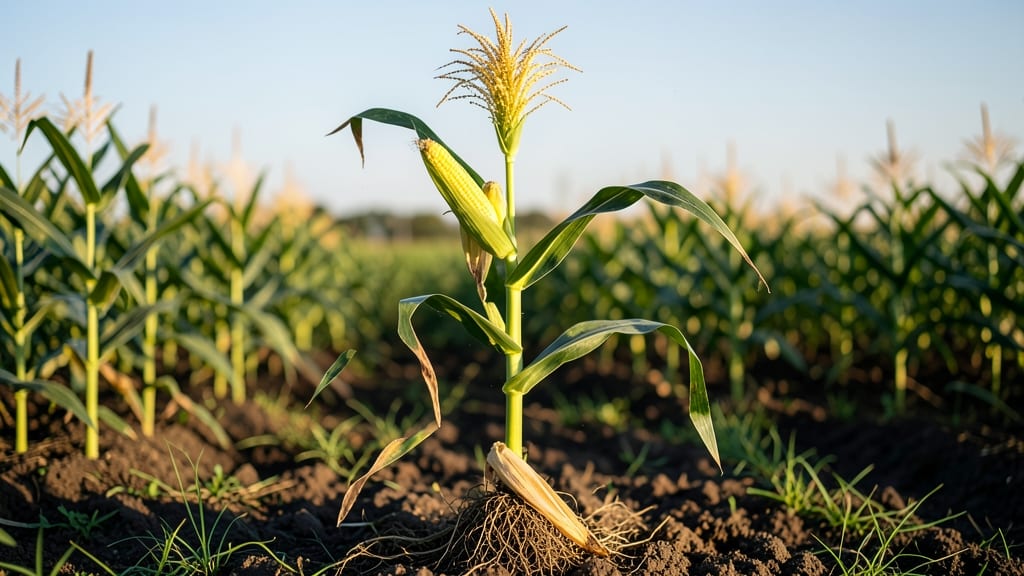
Blooming New Zealand hardy varieties thrive after frost thanks to their natural cold resistance, with minimal care needed to revive them within weeks. Focus on species like hebes or flaxes that bounce back effortlessly with proper moisture and light pruning.
New Zealand's native flora has evolved to handle harsh winters, making them ideal for cold climates. 🌿 Their deep root systems store nutrients, while waxy leaf coatings prevent moisture loss during frost. This built-in resilience means you can often skip heavy-duty winter care—just protect the soil and avoid overwatering.
I’ve seen native grasses like harakeke (flax) regrow within 3-4 weeks after a hard freeze, proving how tough these plants truly are.
For best results, wait until new growth appears before pruning dead foliage—this helps the plant redirect energy. A light mulch layer (2-3 inches) also insulates roots without smothering them. The key is patience: these varieties aren’t just frost-tolerant, they’re designed to recover quickly with minimal intervention.
💡 In This Article
- Why New Zealand Native Plants Survive Frost Better
- Step-by-Step Frost Recovery Care for New Zealand Gardens
Why new Zealand native plants survive frost better
New Zealand's native flora has evolved over millennia to thrive in unpredictable climates, including freezing temperatures. Unlike many non-native plants, these species trigger dormancy triggers—a survival mechanism where growth slows dramatically when temperatures drop below 4°C (39°F).
This metabolic shift conserves energy while protecting delicate tissues. For example, hebes and manuka produce a thick, waxy coating on leaves that acts like a natural insulator, reducing water loss by up to 60% compared to smooth-leaved plants.
The real game-changer is their deep root systems, which can extend 3-5 feet underground. These roots store carbohydrates and nutrients during winter, fueling rapid regrowth once temperatures rise.
In contrast, shallow-rooted non-native plants like roses often suffer permanent damage from frost penetration. 🌱 Another adaptation is their ability to produce antifreeze proteins—similar to those in cold-hardy fish—that prevent ice crystal formation in cell walls, a process that would otherwise rupture plant tissues.
Consider harakeke (flax), which thrives in frost-prone regions. Its fibrous leaves contain high silica content, making them rigid enough to resist physical damage from ice formation. This structural resilience means flax often emerges unscathed after -5°C (23°F) nights, while many ornamental plants wilt.
The contrast with non-native species becomes clear when you compare their recovery times: a frost-damaged camellia might take months to regrow, whereas NZ natives often bounce back in 2-3 weeks.
Soil composition also plays a role. New Zealand's native plants prefer well-draining soils that don't become waterlogged—a common issue for frost-damaged gardens. Their roots can quickly access moisture from deeper layers, while non-native species often struggle with compacted or overly wet soils post-frost.
This adaptability explains why native gardens require 30-50% less winter care than traditional landscapes.
What's fascinating is how these adaptations work together. The waxy leaf coatings reduce moisture loss, the deep roots store energy, and the antifreeze proteins protect cellular structures.
This trifecta of survival strategies means NZ natives don't just endure frost—they're designed to recover with minimal human intervention. 💫 The lesson here is clear: when selecting plants for cold climates, prioritize those with these built-in resilience factors over ornamental species that require constant winter protection.